
Table of Contents
How AI and Big Data Are Applied in Customs Management
Artificial Intelligence (AI) and Big Data are fundamentally reshaping modern customs administration. Implementing these technologies automates clearance workflows, boosts fraud detection capabilities, and optimizes operational costs for trading enterprises.
Digital customs transformation brings transparency to sản phẩm (product) details, proactively controls logistics giá cả (pricing), ensures smooth supply through every kênh phân phối (distribution channel), and provides strong leverage for global xúc tiến thương mại (trade promotion).
1.1. Core Applications of AI & Big Data in Customs Operations
Customs authorities globally and in Vietnam are aggressively deploying advanced technologies into management.
1.1.1. Predictive Risk Analytics & Automated Channel Assignment
-
Big Data Aggregation: Systems consolidate clearance histories, tax records, and international bills of lading.
-
Machine Learning Models: AI analyzes behavioral patterns to predict valuation fraud, incorrect HS codes, or origin falsification.
-
Automated Channeling: Systems assign Green, Yellow, or Red Channel status based on real-time risk scores.
1.1.2. Smart Container Scanning & Automated Identification
-
AI Image Recognition: Algorithms scan X-ray container images automatically to detect contraband or hidden goods.
-
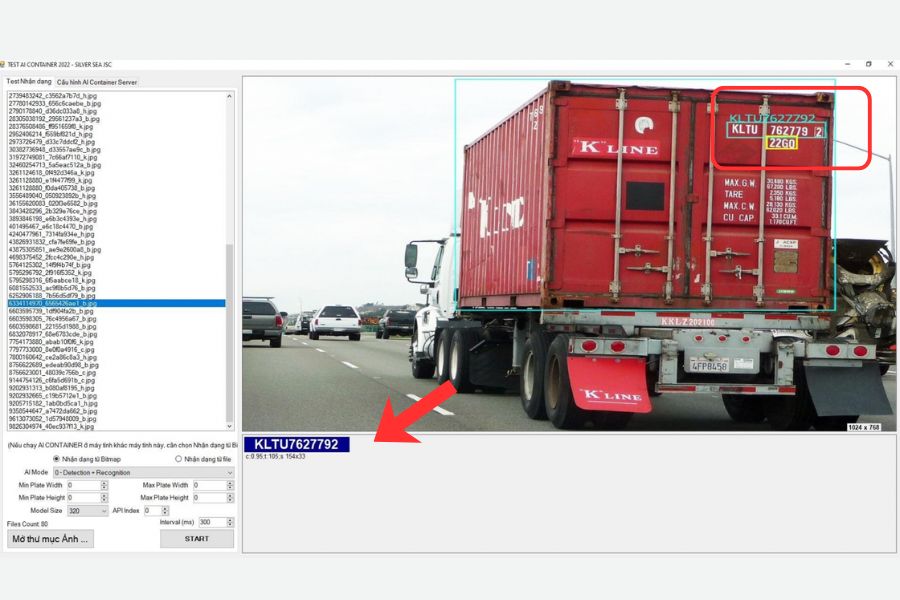
OCR Plate & Code Recognition: AI reads container numbers and truck license plates at port gates for instant release.
1.2. 5-Step Automated Clearance Process Driven by AI & Big Data
The import-export clearance chain achieves maximum automation through integrated technologies:
Systems receive declarations, invoices, and bills of lading, cross-checking against global trade databases.
Algorithms analyze enterprise compliance histories and valuation indices to assign channels within seconds.
Containers pass through scanners where AI evaluates density and alerts officers to visual anomalies directly.
AI compares declared values against historical price databases to identify potential under-declaration.
Systems generate instant clearance approvals and transmit gate release commands around the clock.
1.3. Solutions for Enterprises to Adapt to Smart Customs Systems
Trading firms must elevate legal compliance when customs authorities manage entries via algorithms:
1.3.1. Standardizing Declaration Data & Legal Compliance
-
Consistent Declarations: Ensure cargo descriptions, HS codes, and values match across all supporting documents.
-
Building Clean Historical Records: Avoid administrative infractions to maintain high compliance scores within Big Data systems.
-
ERP Software Integration: Connect corporate software directly with national customs single-window portals.
1.4. Supply Chain Benefits of AI and Big Data Customs Administration
Technological deployment creates substantial added value across the international trading community:
1.4.1. Optimizing Performance & Safeguarding Brands
-
Preserving Product Quality: Faster clearance times preserve the fresh condition of perishable sản phẩm (products).
-
Cost & Price Optimization: Reducing port storage (Demurrage) cuts overhead embedded in final giá cả (pricing).
-
Securing Distribution Channels: Rapid cargo release maintains delivery consistency across all kênh phân phối (distribution channels).
-
Boosting Trade Promotion: Smooth clearance builds strong competitive advantages during xúc tiến thương mại (trade promotion).
1.5. Conclusion
AI and Big Data form the backbone of modern smart customs systems. Proactively adapting to digital transformation protects sản phẩm (products), stabilizes giá cả (pricing), secures kênh phân phối (distribution channels), and drives xúc tiến thương mại (trade promotion) sustainably.
1.6. Related Resources
Separate Section: Frequently Asked Questions (Q&A)
Q1. Will AI completely replace human customs officers in cargo inspection?
No. AI serves as a risk analysis tool, while final clearance decisions remain under human officer supervision.
Q2. What sources feed into customs Big Data repositories?
Data originates from historical declarations, banking transactions, tax records, seaport manifests, and international trade exchanges.
Q3. How does AI detect under-declared pricing fraud?
AI cross-checks declared values against historical price benchmarks for identical items cleared during similar timeframes.
Q4. Do AI container scanners reduce physical container unloading rates?
Yes. Accurate AI image analytics significantly minimize the need to manually unpack containers for physical inspections.
Q5. How does Vietship support enterprises in the digital customs era?
We offer automated document auditing software, ensure accurate data filings, and expedite customs clearance procedures.
