Table of Contents
Professional Timber Import Services from Canada to Vietnam: Regulatory Guide and Sea Freight
Vietnam stands as one of the world’s leading wood processing and wooden furniture manufacturing hubs. Domestic factories produce billions of dollars worth of export-grade furniture for North American and European retail markets annually.
However, Vietnamese furniture processors depend heavily on imported, certified raw lumber to fulfill high-end export orders. Canada represents a premier global supplier of sustainably managed softwoods and commercial hardwoods.
Navigating timber import services from Canada to Vietnam requires balancing complex biosecurity controls, legal wood tracing, and international ocean transit. Our end-to-end logistics solutions guarantee regulatory compliance, fast customs clearance, and cost-effective transpacific container shipping.
1. Popular Canadian Wood Species Imported into Vietnam
Canadian forests yield diverse, high-utility wood species certified by sustainable forestry bodies (such as FSC and PEFC):
-
Spruce-Pine-Fir (SPF): The standard commercial lumber used for interior furniture framing, modular structures, and packaging crating.
-
Douglas Fir: A dense, high-strength coniferous wood valued for structural beams, exterior joinery, and architectural millwork.
-
Western Hemlock: An even-grained, easily workable timber popular for interior molding, paneling, and cabinetry.
-
Western Red Cedar: Highly resistant to decay and moisture, making it ideal for outdoor decking, outdoor furniture, and siding.
-
Hard Maple & Birch: Premium Canadian hardwoods widely utilized in fine furniture production, decorative veneer panels, and solid flooring.
These wood products typically ship as kiln-dried (KD) sawn lumber or raw round logs in containerized consignments.
2. Major Shipping Routes and Ocean Transit Times
Moving timber across the Pacific Ocean connects key ports in British Columbia to Vietnam’s industrial coastlines:
Primary Ports of Loading (POL) in Canada
-
Port of Vancouver (British Columbia): Canada’s largest port and primary maritime gateway for containerized lumber exports.
-
Port of Prince Rupert (British Columbia): Offers direct, uncongested rail connections from inland lumber mills and faster sailing times to Asia.
Primary Ports of Discharge (POD) in Vietnam
-
Southern Industrial Hub: Cat Lai Port and Cai Mep – Thi Vai deep-water terminals (serving Binh Duong and Dong Nai furniture clusters).
-
Northern Industrial Hub: Haiphong Port cluster (Tan Vu, Nam Dinh Vu, and Lach Huyen terminals).
-
Central Processing Gateways: Quy Nhon Port (Binh Dinh Province) and Da Nang Port (Tien Sa Terminal).
Ocean Transit Durations
-
Vancouver / Prince Rupert to Haiphong: 18 to 22 days via direct transpacific express services.
-
Vancouver to Cat Lai / Cai Mep: 20 to 25 days via direct or transshipment loops through regional hubs.
3. Mandatory Regulatory Frameworks for Importing Wood
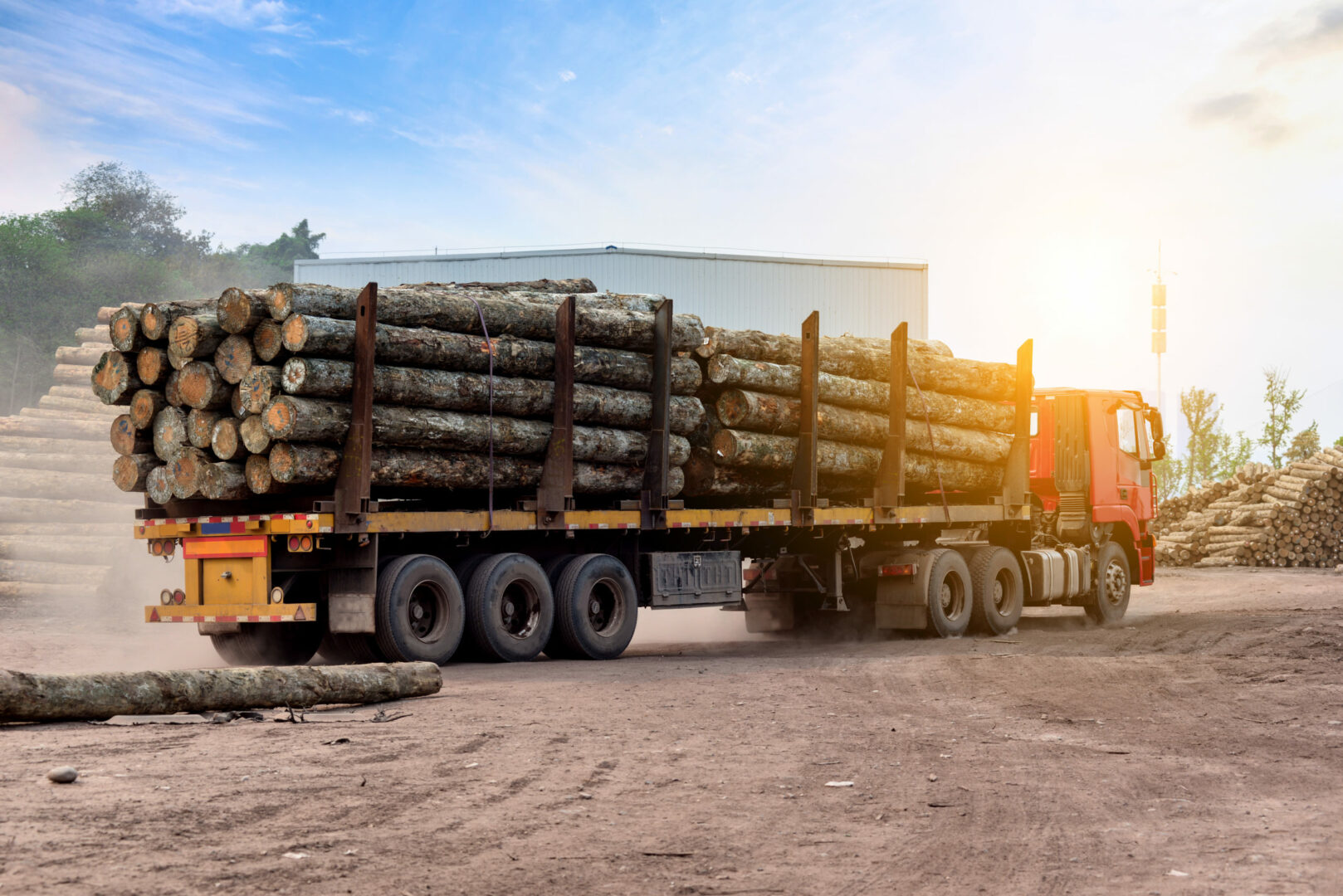
Vietnam enforces rigorous legal biosecurity and forestry standards to eliminate illegal timber trade and prevent invasive agricultural pests:
Decree 102/2020/ND-CP (VNTLAS Legal Timber Verification)
Vietnam implements the Vietnam Timber Legality Assurance System (VNTLAS) under Decree 102/2020/ND-CP:
-
Geographical Risk Assessment: Canada ranks consistently on Vietnam’s official list of Low-Risk Timber Producing Countries (Vùng địa lý tích cực).
-
Species Risk Assessment: Importers must cross-check imported wood against CITES appendices and Vietnam’s list of endangered timber species.
-
Timber Packing List Dossier (Bảng kê lâm sản): Importers must submit certified timber packing lists detailing botanical names, volume dimensions, and legal harvesting documentation.
Compulsory Plant Quarantine (Kiểm dịch thực vật)
Under Ministry of Agriculture and Rural Development regulations, raw timber and lumber must undergo strict biosecurity sampling:
-
The Canadian supplier must provide an official Phytosanitary Certificate issued by the Canadian Food Inspection Agency (CFIA).
-
Importers register import inspection dossiers electronically on the National Single Window (VNSW) before container berthing.
-
Specialized plant health inspectors inspect container seals, examine wood surfaces for bark bark-beetles, and draw physical core samples at the port yard.
4. Tariff Reductions Under the CPTPP Agreement
Vietnam and Canada are foundational signatories to the Comprehensive and Progressive Agreement for Trans-Pacific Partnership (CPTPP):
0% Preferential Import Duty
Under the CPTPP tariff schedule, qualifying Canadian sawn timber and unprocessed wood logs enter Vietnam at 0% import duty.
Rules of Origin Certification
Importers can claim preferential tariffs by utilizing CPTPP origin documentation:
-
The exporter issues an official Certificate of Origin Form CPTPP or a standardized commercial statement of origin.
-
The declaration must specify Canadian origin criteria (Wholly Obtained or specific Product Specific Rules).
-
Accurate origin presentation eliminates standard non-preferential import tariffs, protecting commercial margins for domestic manufacturers.
5. End-to-End Operational Workflow
Our experienced logistics team oversees every consignment across five disciplined operational stages:
Step 1: Purchase Contracting and Origin Screening
Review supplier contracts, botanical species names, and harvesting licenses. Concurrently, our compliance desk verifies CITES status and confirms Decree 102 documentation requirements.
Step 2: Canadian Inland Drayage and Ocean Shipping
Our Canadian logistics partners collect kiln-dried lumber bundles from sawmills in British Columbia or Alberta. Drivers gate containers into Vancouver or Prince Rupert terminals for vessel loading.
Step 3: VNSW Quarantine Registration and Customs Filing
Several days before the vessel arrives, our brokers file the electronic import declaration on the VNACCS system. Simultaneously, we submit the quarantine registration dossier via the National Single Window portal.
Step 4: Quayside Sampling and Customs Clearance
Upon container discharge at Cat Lai, Haiphong, or Quy Nhon, our field runners coordinate with plant quarantine officers. Inspectors take samples on-site, test for fungal or insect infestation, and release the biosecurity permit.
Step 5: Container Drayage to Factory Warehouses
Once customs clears the import declaration, our container fleet collects the boxes from the port stack. Drivers haul the lumber directly to manufacturing plants across Binh Duong, Dong Nai, or Binh Dinh.
6. Practical Tips to Prevent Timber Clearance Delays
Importers can maintain flawless supply chain reliability by enforcing four practical operational habits:
First, audit scientific botanical names across all shipping paperwork. Ensure the Latin species name (such as Pseudotsuga menziesii for Douglas Fir) matches exactly on the Invoice, Packing List, Phytosanitary Certificate, and Timber Manifest.
Second, verify debarking and heat treatment standards. Canadian lumber containing remaining bark often faces intensive fumigation orders at Vietnamese ports, causing extra handling costs.
Third, confirm whether imported species appear in CITES Appendices I, II, or III. Importing CITES-listed timber without export permits from Canada and import permits from the Vietnam CITES Management Authority results in immediate cargo confiscation.
Finally, register quarantine dossiers before vessel berthing. Pre-registering inspection orders allows testing officers to sample containers immediately upon discharge, avoiding expensive port container demurrage fees.
Frequently Asked Questions (FAQ)
What is the import duty rate for Canadian lumber imported into Vietnam?
Under the CPTPP agreement, most Canadian sawn timber and lumber items enter Vietnam at 0% import duty, subject to 8% or 10% Value-Added Tax (VAT).
Is a phytosanitary certificate mandatory for imported Canadian timber?
Yes. Every commercial wood shipment imported from Canada must carry an original Phytosanitary Certificate issued by the Canadian Food Inspection Agency (CFIA).
How does Vietnam classify timber imported from Canada under Decree 102/2020/ND-CP?
Canada is recognized by Vietnam’s Ministry of Agriculture and Rural Development as a Low-Risk Geographic Zone, significantly simplifying the legal timber verification process.
Our dedicated timber import services from Canada to Vietnam ensure seamless customs clearance, strict legal forestry compliance, and reliable transpacific container transport. Contact our wood logistics desk today to check current ocean freight rates, verify CPTPP tariff exemptions, and secure dependable drayage for your timber consignments!
Read more:
Standard Procedure To Audit Consistency In Import-Export Document Sets
Dịch vụ chuyển hàng từ Hongkong về Việt Nam uy tín, nhanh chóng
