Table of Contents
What Is Inland Transportation? The Vital Role of Domestic Transport in Logistics
Every international shipment begins and ends within a country’s borders. Ocean vessels cross vast oceans, and cargo airplanes bridge continents.
However, neither ships nor planes can deliver freight directly to a factory door. Therefore, supply chains depend entirely on domestic transport networks to complete the journey.
Inland transportation serves as the foundational backbone of global commerce. Consequently, understanding how it operates helps businesses reduce freight costs and eliminate delivery delays.
1. What Is Inland Transportation?
Inland transportation refers to the movement of goods over land or inland waterways. Specifically, it moves cargo between production sites, distribution warehouses, inland depots, and international ports.
In logistics terminology, professionals often call this stage the “first-mile” or “last-mile” delivery. Furthermore, it connects maritime harbors and air terminals with domestic consumption markets.
Without inland networks, global maritime and air freight corridors simply cannot function. As a result, domestic transport acts as the essential bridge in modern supply chains.
2. Common Modes of Inland Transportation
Logistics providers utilize three primary transport modes depending on cargo volume, budget, and speed requirements:
Road Trucking
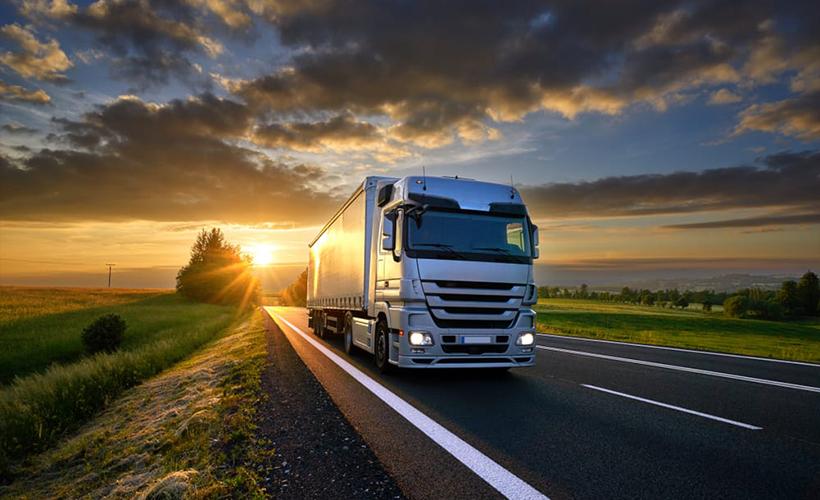
Road freight is the most versatile mode in modern logistics. Fleets of tractor-trailers, box trucks, and flatbeds navigate national highway networks daily.
Furthermore, trucking offers flexible, point-to-point delivery directly to customer warehouses. Therefore, it remains the standard choice for time-sensitive cargo and consumer retail goods.
Rail Freight
Rail transport moves high-volume, heavy commodities over long overland distances. For example, trains efficiently carry coal, grain, steel coils, and stacked intermodal containers.
In addition, rail transit produces significantly lower carbon emissions than road trucks. Consequently, many multinational corporations adopt rail transport to meet corporate green targets.
Inland Waterway Transport (Barges)
Barges move cargo along navigable rivers, estuaries, and inland canals. This mode excels at carrying bulk raw materials, agricultural products, and heavy project equipment.
Although barges travel at slower speeds, they deliver massive payload capacity at minimal operating costs. Thus, river transport drastically lowers per-ton logistics expenses.
3. The Vital Role of Inland Transportation in Logistics
Inland transportation directly determines the overall health and agility of modern supply chains. Specifically, it delivers four critical operational benefits:
Connecting Seaports to Hinterland Markets
Deep-water seaports handle immense trade volumes every day. However, port storage yards quickly become congested without rapid cargo evacuation.
Inland transport shuttles containers swiftly from seaside docks to inland container depots (ICDs). As a result, port terminals maintain smooth yard operations and steady vessel turnarounds.
Enabling Door-to-Door Delivery
Ocean carriers only operate between fixed port berths. Similarly, air cargo carriers fly strictly between airport runways.
In contrast, inland trucking provides true door-to-door delivery. Drivers collect finished goods straight from factory floors and deliver them directly to retail stores.
Optimizing Supply Chain Costs
Inland freight often accounts for a substantial percentage of total logistics expenditure. Therefore, choosing the right inland routing creates substantial cost savings.
For instance, companies combine rail lines and local trucks into intermodal networks. Consequently, they achieve balanced transit speeds while reducing fuel surcharges.
Enhancing Supply Chain Resilience
Unpredictable events like highway construction, labor strikes, or extreme weather frequently disrupt transport routes.
Fortunately, multi-modal inland systems offer flexible detour alternatives. Shippers can readily switch cargo from highway trucks to river barges, ensuring continuous cargo flow.
4. Key Challenges in Modern Inland Transportation
Despite its critical importance, domestic transport faces several persistent operational challenges:
-
Highway Traffic Congestion: Gridlock around major metropolitan centers delays urgent deliveries and inflates trucking fuel consumption.
-
Fluctuating Fuel Prices: Volatile diesel prices directly increase domestic freight rates and operating surcharges.
-
Urban Access Restrictions: Strict daytime vehicle bans in city centers limit heavy truck operations during normal business hours.
-
Carbon Emission Pressures: Transport authorities worldwide increasingly enforce stringent vehicle emission standards on commercial fleets.
Frequently Asked Questions
What is the main difference between inland transport and ocean freight?
Ocean freight carries cargo across international seas between global ports. Conversely, inland transport moves cargo within domestic borders over roads, railways, and rivers.
Why is intermodal inland transportation popular?
Intermodal transport combines multiple inland modes, such as rail and trucking. Consequently, shippers cut shipping costs and shrink their overall carbon footprint.
How does inland transport impact “last-mile” delivery?
Inland transport manages the final journey from local distribution centers to end customers. Therefore, it directly shapes customer satisfaction and delivery speed.
Read more:
Connecting Chu Lai and Da Nang: Expanding Growth Space for Central Vietnam Logistics
Vận chuyển LCL bằng đường sắt từ Hà Nội đi Hồ Chí Minh
