
Table of Contents
Container Trucking Fees: The Essential Guide to Drayage Costs and Surcharges
Inland container transport represents a substantial portion of overall supply chain expenditure. However, many shippers only account for the basic road freight rate when estimating transportation budgets.
During actual execution, invoices often include multiple unforeseen surcharges. In the logistics industry, professionals refer to these unexpected expenses as accessorial fees.
Understanding these container trucking fees helps businesses forecast expenses accurately. Furthermore, proactive planning enables companies to eliminate preventable operational penalties.
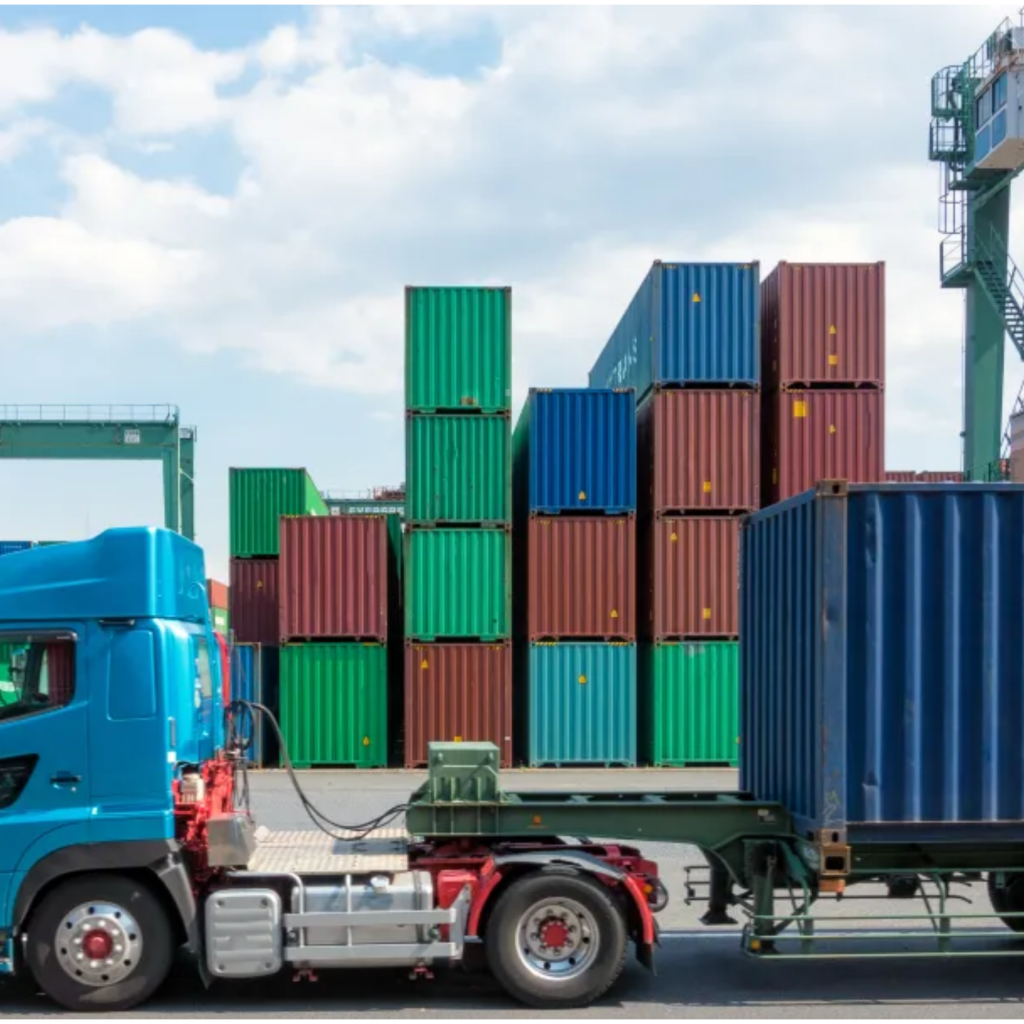
1. Primary Base Freight Charges
Every container drayage invoice starts with predictable core components:
-
Base Trucking Rate (Linehaul Fee): This charge covers the physical transit between the seaport terminal and your delivery warehouse. Dispatchers calculate this rate based on distance, fuel consumption, and highway tolls.
-
Fuel Surcharge (FSC): Diesel fuel prices fluctuate constantly on international energy markets. Therefore, trucking carriers apply a dynamic fuel surcharge to absorb fuel price spikes.
-
Toll & Infrastructure Surcharges: Modern transport corridors feature electronic highway toll gates. Thus, trucking quotes include these official road tolls directly in the primary rate.
2. Common Terminal and Yard Drayage Fees
Moving containers through marine terminals generates specific handling expenses:
Lift-on / Lift-off (LoLo) Fee
Seaport container yards operate heavy gantry cranes to lift containers onto trailers. Consequently, the terminal operator bills a LoLo fee for loading or unloading the chassis.
In many ports, shippers settle this fee directly through digital port portals (e-Port). Alternatively, trucking providers advance this payment and recharge it on the final invoice.
Port Yard Storage & Demurrage
Terminal operators allocate a specific number of free storage days for incoming cargo. If clearance takes too long, the terminal assesses port storage charges daily.
Therefore, arrange customs documentation promptly before your cargo arrives at the berth. Early release helps drivers collect loaded boxes before free time expires.
3. Operational Accessorial Trucking Fees
Operational friction during transit often triggers supplementary accessorial costs:
Driver Waiting Time (Demurrage on Truck)
Trucking companies typically grant one to two free hours for loading or unloading at factory docks. However, factory delays frequently keep drivers waiting at facility bays for extended periods.
Once the grace period ends, dispatchers charge an hourly waiting penalty. To avoid this cost, warehouse supervisors must organize labor teams and forklifts before trucks arrive.
Overnight Chassis Fee (Truck Layover)
Sometimes, factories cannot complete cargo unloading within the scheduled operating day. In such situations, the driver must leave the container and trailer parked overnight at the factory.
Consequently, the carrier levies an overnight detention or layover surcharge. This fee compensates the trucker for the immobilized tractor-chassis equipment.
Drop-and-Pick Surcharge
Some large manufacturing plants utilize a drop-and-hook transport model. Under this setup, the driver uncouples a full container and leaves immediately, returning days later to retrieve the empty box.
Because this strategy requires two round trips, trucking providers bill a dedicated drop-and-pick surcharge. Nevertheless, it saves valuable loading time for high-volume distribution centers.
4. Equipment and Specialized Surcharges
Handling non-standard shipping containers introduces technical operational surcharges:
Genset Rental Fee (Reefer Containers)
Refrigerated containers require constant electrical power to protect cold-chain food or pharmaceuticals. Therefore, tractors must mount a diesel generator set (genset) onto the chassis during inland transit.
Trucking companies assess a daily genset rental fee plus fuel costs to power the cooling equipment.
Overweight Surcharge
National transport authorities strictly enforce highway gross vehicle weight ratings (GVWR). When containers exceed legal highway weight limits, haulers must deploy specialized multi-axle trailers.
Furthermore, heavy haulage requires special municipal road permits. As a result, carriers apply substantial overweight surcharges to cover specialized equipment and administrative permits.
Empty Container Redirection & Depot Surcharges
Ocean shipping lines dictate where drivers must return empty container boxes. Occasionally, designated storage depots experience extreme congestion and turn drivers away.
When shipping lines redirect the trucker to an alternate depot further away, extra mileage fees apply. Shippers must absorb this empty return surcharge when carriers alter return locations unexpectedly.
5. Practical Strategies to Reduce Trucking Expenses
Shippers can reduce overall trucking expenses through four practical management practices:
First, streamline your factory unloading procedures. Staging pallet jacks and preparing labor crews eliminates expensive driver waiting fees.
Second, audit import shipping documents thoroughly before the vessel docks. Fast customs clearance ensures drivers collect containers before terminal storage fees apply.
Third, confirm empty container return depot locations with the ocean carrier early. Advance confirmation eliminates redundant truck repositioning miles and depot congestion delays.
Finally, partner with established logistics providers offering transparent, all-inclusive quotations. Clear contracts prevent hidden surcharges and ensure predictable freight budgeting throughout the fiscal year.
Frequently Asked Questions
What are accessorial fees in container trucking?
Accessorial fees are additional charges for services that exceed standard dock-to-dock transport. Examples include driver waiting time, chassis rentals, and overnight layovers.
How can I avoid driver waiting fees at my warehouse?
You can avoid waiting fees by preparing unloading bays, forklifts, and warehouse crews before the truck arrives. In addition, establish strict delivery appointment time slots.
Who pays for Lift-on / Lift-off (LoLo) fees at the seaport?
Typically, the cargo owner or importer pays LoLo fees directly via the port’s digital portal. Alternatively, your freight forwarder or trucking provider can settle the fee on your behalf.
Read more:
Domestic Sea Freight Shipping from Cat Lai to Quy Nhon Port
Đặt mua hàng hộ từ Australia về Bắc Giang
