Table of Contents
FROM A VIETNAM WAREHOUSE TO THE DESTINATION PORT: THE REAL JOURNEY OF A SEA FREIGHT SHIPMENT
When a shipment is transported by sea from Vietnam to another country, the journey involves much more than loading cargo onto a vessel.
From the moment goods leave the warehouse in Vietnam until they arrive at the destination port, the shipment goes through several important stages. These include cargo pickup, warehouse handling, customs clearance, port procedures, vessel loading, sea transportation and arrival at the destination.
Understanding the actual journey of a sea freight shipment from Vietnam helps businesses prepare better and manage their logistics plans more effectively.

1. Cargo Preparation at the Vietnam Warehouse
The journey begins at the shipper’s warehouse.
Before the cargo is collected, the shipper needs to prepare the goods and make sure they are properly packed. The packaging should be suitable for handling, storage and sea transportation.
Important information should also be prepared, including:
- Cargo description
- Quantity and weight
- Dimensions
- Packing method
- Shipper information
- Consignee information
- Origin and destination
- Required shipping documents
For commercial shipments, the cargo information should match the relevant documents. Proper preparation at the warehouse helps reduce problems during the following stages.
2. Cargo Pickup and Transportation to the Port
After the shipment is ready, the cargo is picked up from the warehouse. Depending on the shipping arrangement, a truck may transport the cargo directly to the port or to a logistics warehouse or CFS facility first.
For FCL shipments, the empty container may be delivered to the shipper’s location for loading. For LCL shipments, the cargo is usually delivered to a CFS warehouse for consolidation with other shipments.
The transportation from the warehouse to the port is an important part of the overall sea freight process.
3. Cargo Inspection and Warehouse Handling
Once the cargo arrives at the logistics facility, it may be checked and processed before being moved to the port. For LCL shipments, cargo is sorted according to destination and sailing schedule.
The shipment may be weighed, measured, labeled and prepared for consolidation. For FCL shipments, the container is inspected and sealed after the cargo has been loaded.
At this stage, accurate cargo information is important because it is used throughout the shipping process.
4. Export Customs Clearance
Before the cargo can leave Vietnam, the necessary export customs procedures must be completed. The required documents depend on the type of shipment and applicable regulations.
Common shipping documents may include commercial invoices, packing lists and other documents required for the specific cargo. Once customs procedures are completed, the shipment can proceed to the next stage.
Preparing documents accurately can help reduce delays and additional handling.
5. Moving the Container to the Vietnam Port
After the required procedures are completed, the container is transported to the departure port.
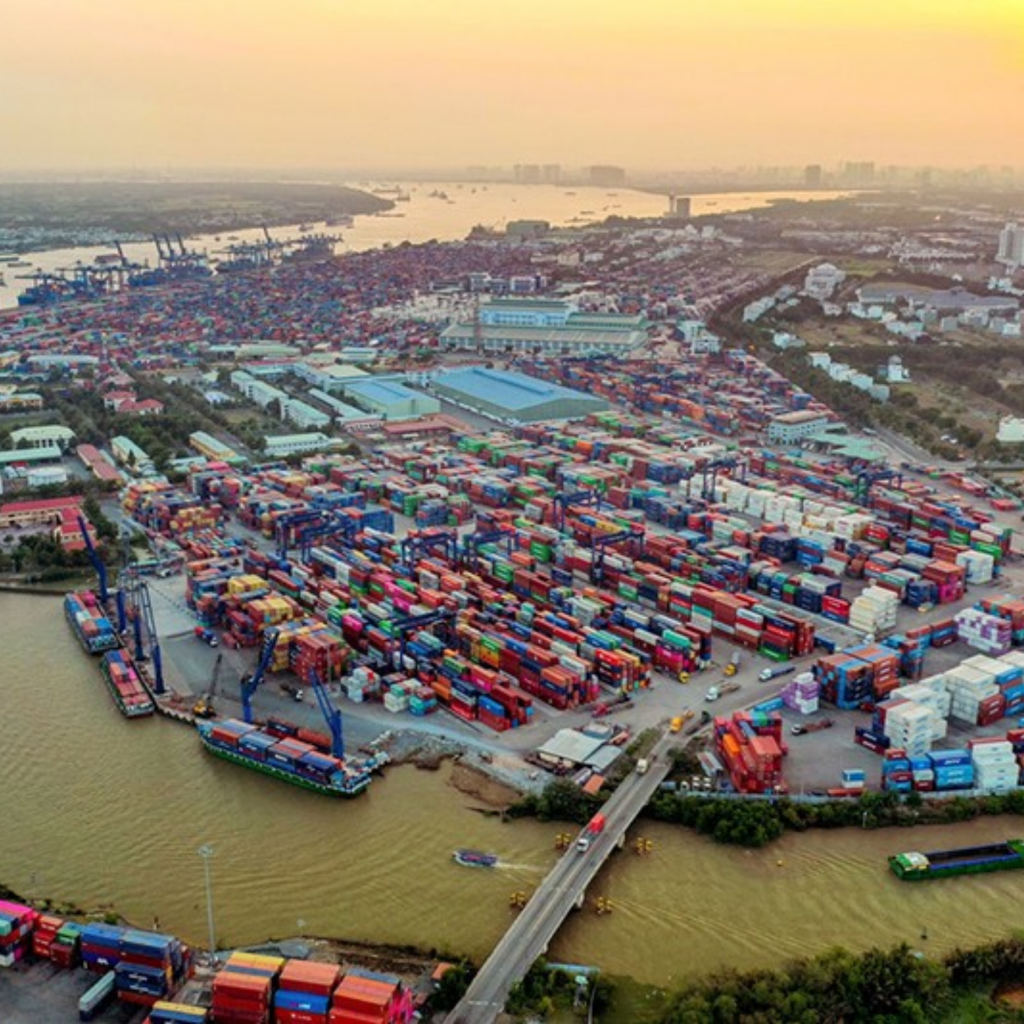
Vietnam has several important seaports serving international trade. Depending on the origin and shipping route, cargo may be handled through ports in the northern, central or southern regions.
The selected port can affect inland transportation costs, sailing schedules and overall transit time. Therefore, choosing a suitable port is an important part of planning a sea freight shipment from Vietnam.
6. Port Gate-In and Terminal Handling
When the container arrives at the port, it enters the terminal through the gate. The container information is checked and recorded by the terminal.
The container is then moved to the designated yard area while waiting for vessel loading. During this stage, the shipping line and terminal coordinate the container’s loading plan.
The container must be available at the port before the applicable cut-off time.
7. Container Loading onto the Vessel
Once the vessel is ready, containers are loaded according to the vessel’s stowage plan. The loading plan considers factors such as container weight, destination, cargo characteristics and vessel stability.
After loading is completed, the vessel departs according to its scheduled sailing time. At this point, the shipment officially begins its international sea freight journey.
8. The Sea Freight Journey
The vessel travels from the Vietnam departure port toward the destination port. The transit time depends on the shipping route, vessel schedule, distance and whether the shipment requires transshipment.
Some services operate directly between ports, while others may involve one or more intermediate ports. During the voyage, the shipment can normally be monitored through the shipping line or freight forwarder’s tracking information.
Weather, port congestion and operational conditions may also affect the actual arrival time.
9. Arrival at the Destination Port
After completing the ocean voyage, the vessel arrives at the destination port. The container is unloaded from the vessel and moved to the terminal yard.
At this stage, the shipment has reached the destination country, but the logistics process may not be finished. Import procedures and local cargo handling still need to be completed before the goods can reach the final consignee.
10. Import Customs and Cargo Release
At the destination, the consignee or its appointed customs broker handles the required import procedures. The documents and cargo information may be checked according to the regulations of the destination country.
After the required procedures and applicable charges are completed, the container can be released for the next stage. Import requirements vary between countries and cargo types. Therefore, businesses should check destination-specific regulations before shipping.
11. Final Delivery to the Consignee
The final stage is delivery to the consignee. For door-to-door services, a local truck may collect the container or cargo from the port and deliver it to the final address.
For LCL shipments, the container is usually unloaded at a CFS facility. Individual shipments are separated before final delivery. The actual process depends on the shipping service selected by the customer.

What Can Affect the Sea Freight Journey?
The journey from a Vietnam warehouse to the destination port can be affected by several factors:
- Cargo type and quantity
- FCL or LCL shipping method
- Origin warehouse location
- Departure port
- Destination port
- Vessel schedule
- Transshipment requirements
- Customs clearance
- Port congestion
- Weather and operational conditions
- Destination import procedures
For this reason, estimated transit time should be confirmed according to the specific route and shipping schedule.
Why Is It Important to Understand the Full Sea Freight Process?
Knowing the complete shipping journey helps businesses plan their supply chain more effectively. It allows shippers to prepare cargo and documents in advance. Businesses can also coordinate warehouse operations, production schedules and inventory planning.
Understanding each stage also makes it easier to identify where delays may occur. For regular international shipments, having a clear logistics process can help improve shipment visibility and overall supply chain management.
Conclusion
A sea freight shipment from Vietnam to an international destination passes through many stages. The journey starts at the Vietnam warehouse and continues through cargo pickup, customs clearance, port handling and vessel loading before reaching the destination port.
After arrival, the shipment may still require import customs clearance, cargo release and final delivery.
Understanding this process gives businesses a clearer view of how their cargo moves from the warehouse to the international market. For each shipment, the exact process and transit time depend on the cargo, shipping route, port, carrier and selected service.
See more at:
Domestic sea freight shipping from cat lai to quy nhon port
Shipping goods from Saigon Port to Lubeck Port quickly, safely, and economically
