Table of Contents
Professional Container Trucking from Cai Mep Port to Warehouses
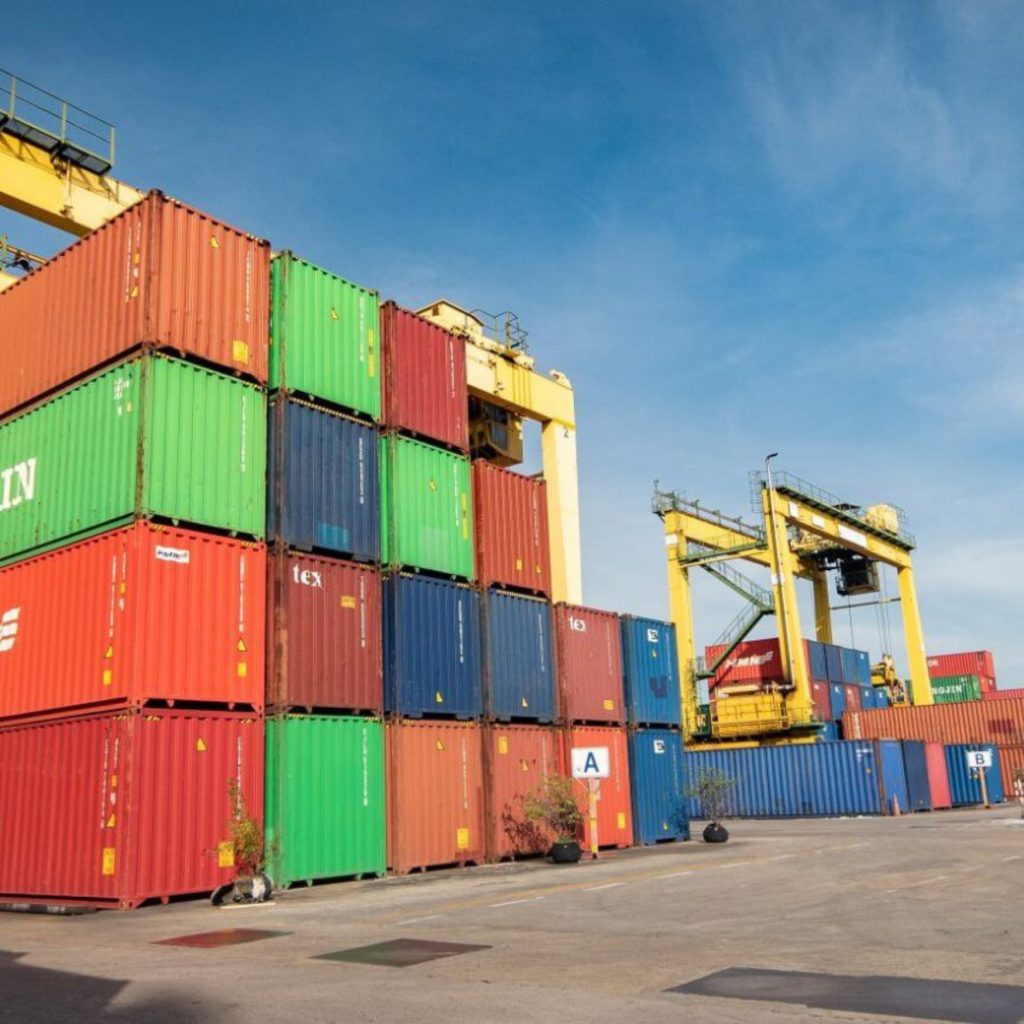
Cai Mep – Thi Vai serves as Vietnam’s premier deep-water maritime port gateway. The port cluster accommodates mega-vessels connecting directly to the Americas, Europe, and major Asian hubs.
Consequently, thousands of imported containers discharge at Cai Mep terminals every week. These containers carry critical raw materials, machinery, and industrial components destined for Southern manufacturing corridors.
However, moving containers efficiently from deep-sea quaysides to industrial parks requires specialized road haulage capabilities. Our dedicated container trucking from Cai Mep Port to warehouses guarantees rapid gate-out operations, transparent pricing, and punctual factory delivery.

1. Strategic Transport Corridors from Cai Mep
The Cai Mep port cluster connects directly to key industrial provinces across Southern Vietnam:
-
To Dong Nai Industrial Zones: Direct transit via National Highway 51 and the Bien Hoa – Vung Tau expressway corridor. Trucks reach Long Thanh, Nhon Trach, Giang Dien, and Amata industrial parks within 1.5 to 2.5 hours.
-
To Binh Duong Manufacturing Hubs: Routes connecting through National Highway 51, My Phuoc – Tan Van expressway, or Ring Road corridors. Delivery to VSIP 1 & 2, Song Than, Bau Bang, and Nam Tan Uyen takes 2.5 to 3.5 hours.
-
To Ho Chi Minh City Logistics Centers: Direct transit via the Long Thanh – Dau Giay Expressway. Haulers deliver containers to Thu Duc, Cat Lai-adjacent depots, and Linh Trung EPZ within 2 to 3 hours.
-
To Long An & Mekong Delta Gateways: Interprovincial transit via Southern expressways servicing industrial parks across Ben Luc, Duc Hoa, and Tan An.
Our dispatchers monitor regional traffic flows continuously. Therefore, our drivers bypass bottlenecks, ensuring your production lines receive essential inputs without delay.
2. Comprehensive Transportation Capabilities
We deploy an extensive tractor-trailer fleet configured to manage all types of ocean freight equipment:
Standard Dry Container Drayage (20ft, 40ft & 40ft HQ)
We operate high-tensile 2-axle and 3-axle skeleton chassis for standard ISO containers:
-
20ft General Purpose (20’GP): Configured for heavy, dense materials such as steel coils, industrial resins, minerals, and liquid drums (up to 28-ton payloads).
-
40ft Standard & High Cube (40’GP / 40’HQ): Optimized for high-volume cargo including consumer electronics, apparel fabrics, automotive parts, and packaging.
Temperature-Controlled Reefer Drayage
Agricultural exporters and pharmaceutical importers require unbroken cold chains. Our fleet features modern chassis clip-on gensets that supply continuous electrical power to refrigerated containers throughout highway transit.
Heavy-Lift & Oversized Project Cargo
Factory construction projects in Dong Nai and Binh Duong often import heavy machinery modules. We provide multi-axle lowboy trailers, hydraulic flatbeds, and official oversized road permits to move Flat-Rack and Open-Top equipment safely.
3. End-to-End Drayage Operational Workflow

Our operations team manages every container delivery through five disciplined steps:
Step 1: Pre-Arrival Verification and e-Port Processing
Before vessel discharge, our team verifies the electronic Delivery Order (e-DO) with the shipping line. Next, we settle terminal Lift-On/Lift-Off (LoLo) fees through the Cai Mep e-Port system to generate digital gate barcodes.
Step 2: Terminal Gate-Out and Equipment Audit
Our port runners present digital equipment interchange receipts (e-EIR) at terminal gates (such as TCIT, TCTT, CMIT, or SSIT). Drivers inspect container walls, verify bolt seal numbers, and record any exterior structural scratches before leaving the terminal.
Step 3: Expressway Transit and Telemetry Tracking
The tractor navigates modern highway corridors toward your warehouse. Active GPS tracking devices record real-time vehicle coordinates, road speeds, and driver hours to maintain total cargo transparency.
Step 4: Warehouse Docking and Offloading
The driver docks the chassis directly against your warehouse bay. Facility staff inspect the container seal, unpack the cargo, and sign the official delivery receipt.
Step 5: Empty Container Return to Designated Depots
Once offloading finishes, the driver cleans the container interior. Then, our hauler returns the empty container to the shipping line’s designated depot in Ba Ria – Vung Tau or Ho Chi Minh City, avoiding container detention fees.
4. Key Advantages of Our Cai Mep Drayage Fleet
Choosing our dedicated container transport fleet delivers clear operational advantages for your supply chain:
First, our large fleet of modern tractors guarantees reliable vehicle availability during month-end shipping peaks.
Second, our proximity to Cai Mep terminals ensures fast container pickups, protecting your business from costly port storage (demurrage) fees.
Third, our pricing remains completely transparent. We provide all-inclusive quotes covering highway tolls, fuel surcharges, terminal handling advances, and empty return drayage.
Finally, we maintain comprehensive carrier liability insurance. Every shipment benefits from robust financial protection against unexpected transit risks.
5. Practical Strategies to Avoid Drayage Delays
Shippers can protect their supply chains by implementing four practical operational habits:
First, resolve customs clearance declarations before vessel docking. Clearing customs through automated Green or Yellow channels allows our dispatchers to schedule trucks the moment gantry cranes discharge your box.
Second, schedule factory unloading slots in advance. Preparing warehouse labor and forklifts early prevents expensive driver waiting charges at your facility gates.
Third, confirm your shipping line’s designated empty return depot location. Returning empty equipment to local inland container depots (ICDs) instead of remote seaside depots saves substantial road tolls.
Finally, communicate cargo weight accurately during booking. Declaring exact weights ensures our dispatchers assign correct multi-axle chassis, avoiding highway axle-scale penalties.
Frequently Asked Questions (FAQ)
How long does it take to truck a container from Cai Mep Port to industrial parks in Binh Duong?
Under normal highway traffic conditions, transit takes between 2.5 and 3.5 hours once the container gates out of Cai Mep Port.
Which terminal in Cai Mep handles ocean containers?
Major active container terminals include TCIT, TCTT, CMIT, SSIT, and Gemalink. Our trucking fleet services all terminal gates within the deep-water complex daily.
Can you handle drop-and-hook trailer operations at factory warehouses?
Yes. We offer drop-and-hook transport solutions, allowing factories to uncouple loaded trailers and unpack cargo at their own convenience without paying driver waiting fees.
Dependable container drayage keeps your manufacturing operations in Southern Vietnam running at peak efficiency. Contact our operations desk today to receive an instant quotation and secure reliable trucking capacity for your upcoming shipments!
Read more:
Essential Shipping Documents for International Ocean Freight: The Complete Guide
Vận Chuyển Bắp Ngọt Từ Lâm Đồng Qua Nga
