Table of Contents
How to Avoid Demurrage, Detention, and Storage Fees: The Complete Shipper’s Guide
Managing containerized ocean freight requires balancing tight shipping timelines with strict port regulations. When supply chains face unexpected bottlenecks, carriers and port terminals assess heavy daily penalties.
These penalty charges—commonly known as Demurrage (DEM), Detention (DET), and Port Storage—escalate rapidly. In fact, accrued container fees can quickly exceed the actual ocean freight value of the entire shipment.
Learning how to avoid demurrage and detention fees protects your company from unnecessary financial losses. Implementing proactive operational controls keeps your supply chain lean, predictable, and cost-efficient.

1. Demurrage, Detention, and Storage: Key Differences
Many shippers confuse these three distinct line items. Understanding who bills each fee and where it occurs is essential for cost management:
-
Demurrage (DEM): Charged by the ocean carrier when a loaded container remains inside the marine terminal yard beyond the agreed free time.
-
Detention (DET): Charged by the ocean carrier when the importer holds the container outside the port (at the factory or warehouse) longer than the allowed return window. For exports, it applies when an empty container is picked up too early before gating in.
-
Port Storage: Charged directly by the seaport terminal operator (not the shipping line) for the physical footprint the container occupies on the dock or yard stack.
Carriers combine DEM and DET into “Combined Free Time” on select trade lanes, giving shippers greater operational flexibility.
2. Primary Root Causes of Excessive Container Fees
Identifying why containers get held up allows logistics teams to address root causes proactively:
-
Customs Clearance Delays: Clerical discrepancies on commercial invoices or missing Certificate of Origin (C/O) forms trigger time-consuming physical customs inspections (Red Channel).
-
Late Regulatory Permits: Importing specialized machinery, chemicals, or agricultural goods without prior quality inspection registration stalls port gate-out operations.
-
Delayed Original Documentation: Waiting for original paper Bills of Lading (B/L) couriered overseas prevents importers from obtaining the Delivery Order (D/O).
-
Warehouse Congestion: Manufacturing facilities lacking sufficient unloading labor, forklifts, or pallet racking leave containers sitting on trailers for days.
-
Depot Congestion & Rejection: Empty return depots frequently reach maximum capacity, turning away returning trucks and driving up detention days.
3. Seven Proven Strategies to Avoid Demurrage and Detention
Shippers can minimize or entirely eliminate these penalty fees by executing seven disciplined strategies:
1. Negotiate Extended Free Time Upfront
Standard carrier booking confirmations typically provide 3 to 7 days of free time. However, smart shippers negotiate extended free time during initial freight contracting:
-
Request 14 to 21 days of combined DEM/DET before confirming vessel bookings.
-
Emphasize your annual volume commitments to secure extended free-time agreements with carriers.
-
Ensure the agreed free time is explicitly printed on the face of the Master Bill of Lading.
2. Pre-Clear Customs Before Vessel Berthing
Never wait for the container ship to dock before filing customs documentation:
-
Submit electronic declarations via VNACCS several days before arrival using preliminary manifest data.
-
Pay import duties and value-added tax (VAT) immediately upon declaration submission.
-
Resolving customs clearance early enables your trucking fleet to gate out the box the moment gantry cranes discharge it.
3. Transition to Electronic Document Releases
Eliminate traditional courier delays by utilizing electronic documentation channels:
-
Instruct your overseas supplier to request a Seaway Bill or a Telex Release (Surrendered B/L).
-
Electronic releases allow your forwarder to exchange the digital Delivery Order (e-DO) instantaneously without waiting for paper documents.
4. Complete Specialized Inspection Filings Early
If your cargo requires specialized inspection (KTCN), plant quarantine, or chemical safety registration:
-
Register the tracking dossier on the National Single Window (VNSW) portal before cargo departs the origin port.
-
Apply for a customs release permit (Đưa hàng về kho bảo quản) to inspect heavy machinery at your private warehouse, saving expensive port storage fees.
5. Coordinate Warehouse Unloading and Trucking Capacity
Align your factory receiving department with your trucking hauler’s delivery schedule:
-
Schedule labor crews, forklift operators, and dock bays before the truck gates out of the marine terminal.
-
Implement a drop-and-hook trailer system, allowing drivers to uncouple loaded trailers and return previously unpacked empty containers immediately.
6. Monitor Empty Return Depot Status in Real Time
Returning empty containers to full depots generates unnecessary detention costs:
-
Check shipping line depot advisories daily to verify active empty receiving locations.
-
If a depot rejects your container due to congestion, request an official written rejection slip and immediately ask the carrier for an alternative return depot.
7. Leverage Inland Container Depots (ICDs) and Bonded Warehouses
If your cargo faces unavoidable administrative delays:
-
Transfer containers from expensive marine quaysides to nearby Inland Container Depots (ICDs) or bonded warehouses.
-
Off-dock ICDs charge significantly lower daily storage tariffs than primary deep-sea container terminals.
4. Comparing Costs: Seaport Terminal vs. Inland Depot (ICD)
The financial impact of transferring stalled cargo to an inland facility is substantial:
| Cost Factor | Deep-Sea Marine Terminal | Inland Container Depot (ICD) |
| Free Time Window | Strict (typically 3 to 5 days) | Flexible (often 7 to 14 days) |
| Daily Storage Rate | High (escalates sharply after day 7) | Moderate (30% to 50% lower base rates) |
| Demurrage Risk | High (carrier clock runs continuously) | Lower (can unstuff into bonded warehouse) |
| Gate Congestion | Heavy during peak sailing windows | Fast gate-in and gate-out processing |
5. What to Do When Demurrage and Detention Fees Accrue
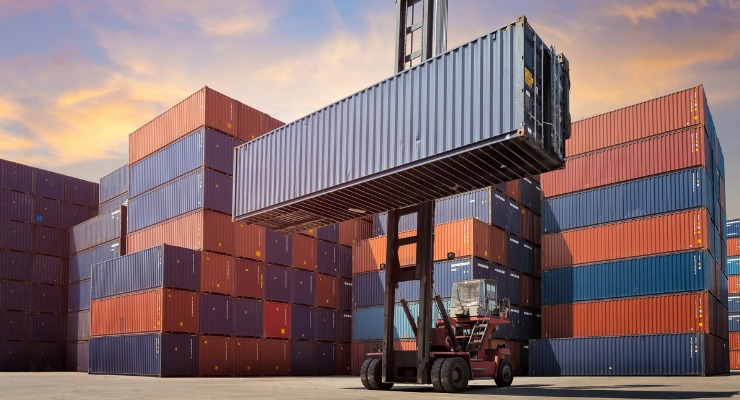
If unexpected operational delays cause penalties to accrue, take immediate mitigation steps:
First, communicate with the shipping line’s local customer service desk immediately. Request an official fee waiver or discount (dispute resolution), citing documented force majeure events, port congestion, or carrier system outages.
Second, consider unstuffing the cargo into a commercial bonded warehouse if the customs hold will exceed several weeks. Returning the empty container stops the detention clock, leaving you with only basic warehouse storage fees.
Finally, audit the carrier’s final detention invoice carefully. Verify that the billing calculation excludes statutory public holidays and port non-working days specified in the carrier’s official local tariff.
Frequently Asked Questions (FAQ)
Can I negotiate free time for LCL shipments?
LCL shipments do not incur container detention because cargo moves in shared containers. However, CFS warehouses apply strict cargo storage fees after 5 to 7 free days.
What is the difference between Combined Free Time and Separate Free Time?
Separate free time allocates fixed, non-transferable days for Demurrage and Detention independently. Combined free time provides a single pool of days (e.g., 14 days) that you can divide between port yard storage and factory unloading as needed.
Does the demurrage clock stop during customs physical inspection (Red Channel)?
No. Ocean carriers continue billing demurrage during customs inspections unless the shipper provides an official customs seizure order or secures a specialized fee waiver from the carrier.
Minimizing demurrage, detention, and port storage fees requires disciplined logistics planning, prompt customs clearance, and proactive carrier negotiations. Contact our logistics advisory team today to optimize your shipping routes, secure extended free-time bookings, and streamline your container operations!
Read more:
Professional Container Drayage Services at Cai Mep – Thi Vai Port
Dịch vụ chuyển phát nhanh hàng hóa Hà Nội đi Berlin
