Table of Contents
Professional Container Drayage Services at Cai Mep – Thi Vai Port
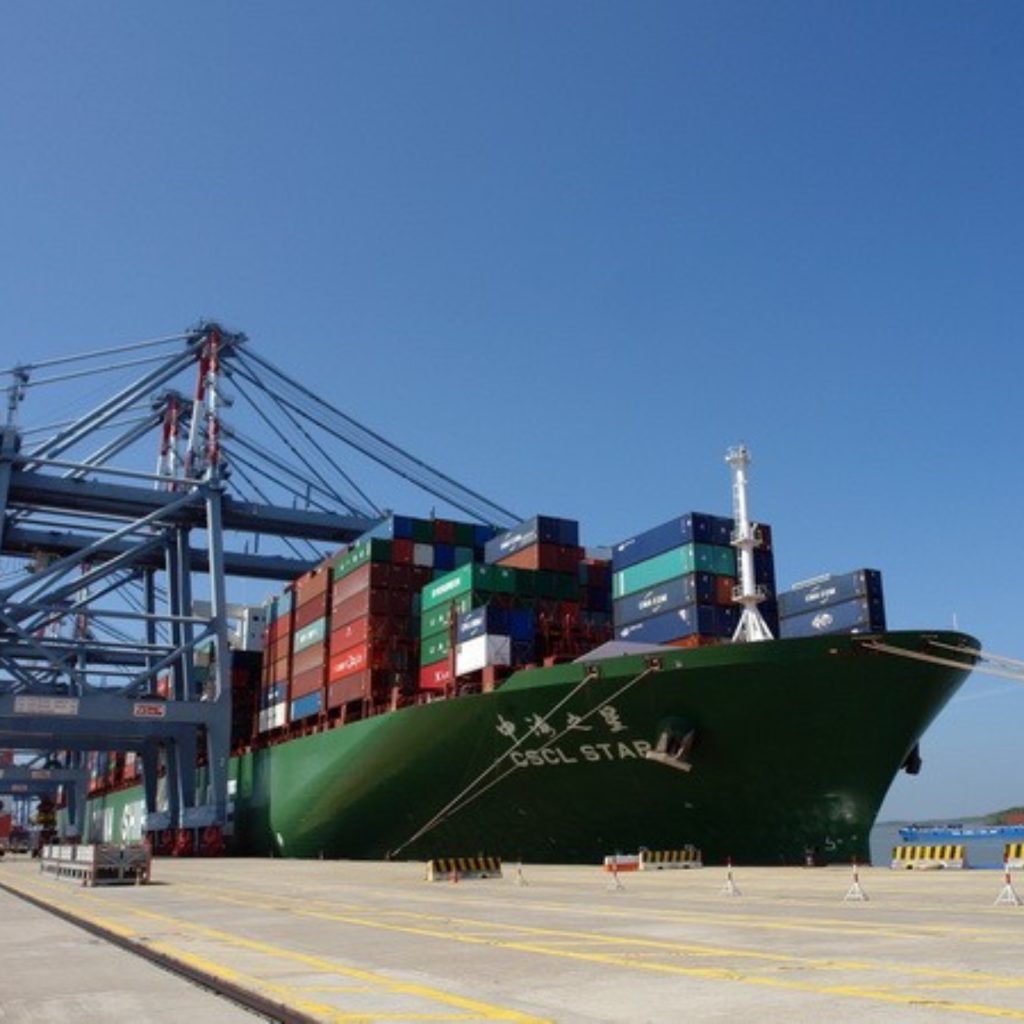
The Cai Mep – Thi Vai deep-water port cluster functions as Southern Vietnam’s premier maritime gateway for international trade. Modern terminals across the complex accommodate ultra-large container vessels (ULCVs) sailing directly to North America and Europe.
However, operating inside this expansive deep-sea harbor requires specialized landside transport support. Containers arriving on mother vessels regularly require repositioning between quaysides, river barge berths, bonded yards, and inland logistics parks.
Our dedicated container drayage services at Cai Mep – Thi Vai Port deliver dependable, rapid, and fully synchronized container movements. We handle on-dock haulage, terminal gate-out procedures, and regional factory deliveries with round-the-clock operational precision.

1. Scope of Drayage Operations at Cai Mep – Thi Vai
Navigating this multi-terminal deep-water hub demands comprehensive landside transport solutions:
Inter-Terminal Transfer (ITT)
The Cai Mep cluster spans multiple independent terminal facilities along the Thi Vai River. These facilities include Tan Cang – Cai Mep International Terminal (TCIT), Tan Cang – Cai Mep Container Terminal (TCTT), Cai Mep International Terminal (CMIT), SP-PSA, SSIT, and Gemalink.
Feeder vessels and river barges frequently dock at one terminal, while connecting mother ships berth at another. Our heavy tractor fleet executes rapid inter-terminal transfers (ITT) between berths, ensuring transit containers make their scheduled vessel connections.
Port-to-Depot and ICD Drayage
Terminal storage fees at quayside yards accrue quickly once free-time limits expire. We haul containers from marine terminal stacks to surrounding inland container depots (ICDs) and bonded holding yards across Phu My and Ba Ria.
Consequently, shippers preserve valuable storage budgets while awaiting final customs clearance declarations.
Factory Delivery and Inland Haulage
Beyond on-dock transfers, our fleet provides direct point-to-point container drayage. We haul import containers straight from Cai Mep wharves to manufacturing complexes across Ba Ria – Vung Tau, Dong Nai, Binh Duong, and Ho Chi Minh City.
2. Comprehensive Fleet and Equipment Capabilities
We maintain an extensive, modern transport fleet engineered to haul all international ISO container specifications:
-
Standard Dry Container Chassis (20ft, 40ft & 45ft): Equipped with high-tensile 2-axle and 3-axle skeleton trailers. These chassis support dense heavy payloads (up to 28 metric tons for 20ft units) within legal highway axle tolerances.
-
Refrigerated (Reefer) Clip-on Gensets: Perishable fruits, frozen seafood, and medical shipments demand uninterrupted temperature control. Our tractors carry chassis clip-on diesel generator sets (gensets) to power reefer machinery continuously during transit.
-
Specialized Lowboys for Out-of-Gauge (OOG) Cargo: We deploy multi-axle heavy-duty lowbed trailers to move Flat-Rack and Open-Top containers carrying oversized industrial production equipment.
3. End-to-End Terminal Drayage Workflow

Our ground operations team coordinates every equipment movement through five disciplined operational stages:
Step 1: Pre-Arrival Verification and Digital Service Orders
Our dispatch office reviews the electronic Delivery Order (e-DO) and booking instructions. Next, we register service requests and settle terminal Lift-On/Lift-Off (LoLo) fees directly via the Cai Mep e-Port system.
Step 2: Gate-In and Equipment Inspection at the Quayside
The tractor gates into the designated terminal yard using automated QR barcodes. Drivers inspect container integrity, check shipping line bolt seals, and verify equipment interchange receipts (e-EIR) before departing the quay.
Step 3: Secure Highway and Port-Corridor Drayage
The vehicle navigates dedicated port arterial expressways (such as the Cai Mep – Thi Vai inter-port corridor and National Highway 51). Satellite GPS telemetry devices record vehicle coordinates, travel speeds, and engine operating status in real time.
Step 4: Warehouse Docking and Offloading
The driver docks the container against your factory unloading ramp. Warehouse staff verify seal numbers, unpack the cargo, and sign the delivery handover paperwork.
Step 5: Empty Container Return to Designated Depots
Once offloading finishes, the hauler returns the empty container to the carrier’s designated depot in Ba Ria, Dong Nai, or Ho Chi Minh City, avoiding costly container detention fees.
4. Why Partner with Our Cai Mep Drayage Fleet?
Partnering with an established landside hauler delivers measurable operational benefits for your supply chain:
First, our large pool of prime movers guarantees immediate truck allocation, even during month-end surges and vessel berthing crunches.
Second, our dispatchers maintain direct integration with terminal operating systems (TOS). This synchronization minimizes driver queue times at terminal access gates.
Third, our pricing structure remains entirely transparent. We provide all-inclusive quotes covering road tolls, terminal lifting advances, fuel surcharges, and empty return drayage.
Finally, we maintain comprehensive carrier legal liability insurance. Every container movement carries robust financial protection against unexpected transit risks.
5. Practical Strategies to Avoid Port Drayage Delays
Cargo owners can ensure frictionless container transit by adhering to four proven operational practices:
First, complete customs declarations before the container vessel discharges. Early clearance allows our dispatchers to gate out containers the moment terminal gantry cranes stack them in the yard.
Second, verify terminal gate-in closing times (CY Cut-Off) meticulously for export drayage. Aligning factory stuffing schedules with vessel cut-offs prevents missed mother-vessel connections.
Third, confirm empty return depot locations with your shipping line. Returning empty boxes to nearby regional ICDs rather than distant depots saves substantial road tolls and tractor hours.
Finally, communicate cargo gross weights accurately during booking. Accurate weight declarations ensure our dispatchers assign appropriate multi-axle trailers, preventing highway axle-weight violations.
Frequently Asked Questions (FAQ)
What is an Inter-Terminal Transfer (ITT) at Cai Mep?
An ITT is the landside movement of ocean containers between two separate terminals within the Cai Mep port cluster to connect feeder cargo with mother vessels.
How fast can you dispatch a tractor to collect a container at Gemalink or TCIT?
With our dedicated fleet stationed directly inside the Cai Mep port zone, we dispatch tractors to terminal gates within 30 to 45 minutes of electronic release.
Do your trucks support reefer container transport with continuous power?
Yes. Our specialized reefer tractors feature high-output chassis clip-on gensets to supply uninterrupted electrical power to cooling units throughout transit.
Operating with dependable container drayage services at Cai Mep – Thi Vai Port ensures seamless cargo flow and eliminates costly terminal penalties. Contact our logistics operations team today to secure reliable trucking capacity, optimize inter-terminal transfers, and streamline your maritime container haulage!
Read more:
Goods Management Policy According To HS Codes
