
Table of Contents
Global Sea Shipping: Understanding Transshipment and Its Impact on Ocean Freight Delivery
1. What Is Transshipment in Ocean Freight?
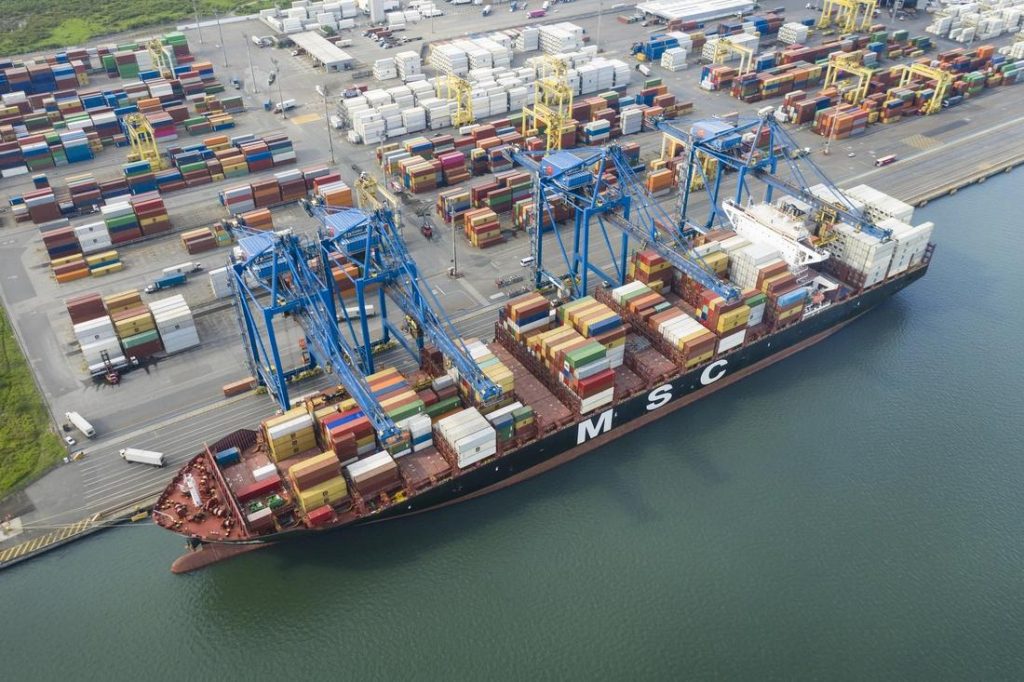
Transshipment is an important operation in international ocean freight. It refers to the process of transferring cargo from one vessel to another at an intermediate port before reaching its final destination.
This process is commonly used when direct shipping services are unavailable or when shipping companies need to connect different trade routes.
For example, a container shipped from Vietnam to Europe may be transferred at a major transshipment hub such as Singapore before continuing its journey to the destination port.
Transshipment helps connect international shipping networks and allows carriers to serve more destinations through coordinated vessel services.

2. How Does the Transshipment Process Work?
The transshipment process involves several operational stages to ensure that containers move safely between vessels.
Step 1: Cargo Loading at the Origin Port
The exporter delivers cargo to the designated port. After completing the necessary documentation and export procedures, the container is loaded onto the first vessel.
Step 2: Arrival at the Transshipment Port
The vessel arrives at an intermediate port, where containers are unloaded and transferred to a designated terminal area.
Step 3: Container Transfer
The port operator coordinates container handling and arranges the transfer to another vessel based on the shipping schedule.
Step 4: Departure to the Final Destination
After the transfer is completed, the container is loaded onto the connecting vessel and continues its journey.
Step 5: Arrival and Import Clearance
The container reaches the destination port, where import procedures, customs clearance, and cargo delivery arrangements take place.
3. Why Is Transshipment Important in Global Shipping?
Transshipment plays a significant role in maintaining international trade connections.
Wider Global Connectivity
It allows shipping companies to connect smaller ports with major international trade routes.
Flexible Shipping Networks
Carriers can organize vessel connections through strategic ports instead of operating direct services to every destination.
Better Network Efficiency
Consolidating cargo at major hubs helps shipping lines manage vessel capacity and coordinate international transportation networks.
Access to More Destinations
Businesses can ship goods to locations that may not have direct vessel connections from their origin ports.
4. Major Transshipment Hubs Around the World
Several international ports play important roles in global container transportation.
- Singapore: A major maritime hub connecting Southeast Asia with Europe, the Middle East, and other international markets.
- Port of Busan, South Korea: An important gateway for Northeast Asian container shipping.
- Port of Rotterdam, Netherlands: A major European logistics hub connecting international shipping services with inland transportation networks.
- Port of Colombo, Sri Lanka: A strategic transshipment hub connecting shipping routes across the Indian Ocean.
These ports support cargo transfers and help maintain connections between different international shipping services.
For more information about international shipping services and transportation solutions, visit /vinalines.net/gui-hang-tu-cang-sai-gon-den-cang-lubeck/

5. Common Challenges of Ocean Freight Transshipment
Although transshipment offers many advantages, businesses should also understand its potential challenges.
Schedule Delays: Delays involving the first vessel may cause missed connections with the next vessel.
Port Congestion: Heavy container traffic can affect unloading, storage, and vessel departure schedules.
Additional Handling: Every container transfer involves handling operations, which may increase the risk of damage if proper procedures are not followed.
Tracking Complexity: Shipments involving multiple vessels may require closer monitoring to maintain accurate cargo status information.
To reduce these risks, businesses should work with experienced freight forwarders and regularly monitor shipment updates.
6. How to Manage Transshipment More Effectively
Businesses can improve shipping efficiency through several practical measures:
- Confirm vessel schedules and connection times before booking.
- Choose reliable carriers with established shipping networks.
- Prepare accurate shipping documents.
- Use container tracking systems to monitor cargo movements.
- Allow sufficient time for potential delays at intermediate ports.
- Maintain regular communication with logistics partners.
Effective shipment planning helps businesses reduce unexpected costs and improve delivery coordination.
7. Conclusion
Transshipment is an essential part of modern ocean freight operations. It connects international ports, expands shipping networks, and provides businesses with access to more global destinations.
However, successful transshipment requires careful coordination between shipping lines, port operators, freight forwarders, and cargo owners.
Understanding the process and potential challenges allows businesses to make better shipping decisions and improve supply chain performance.
To learn more about the next stages of container transportation, read Where Does a Container Go After Leaving the Port? – Vietship.
