Table of Contents
WHERE DOES A CONTAINER GO AFTER LEAVING THE PORT?
The Real Journey of a Sea Freight Shipment from Warehouse to Destination Port
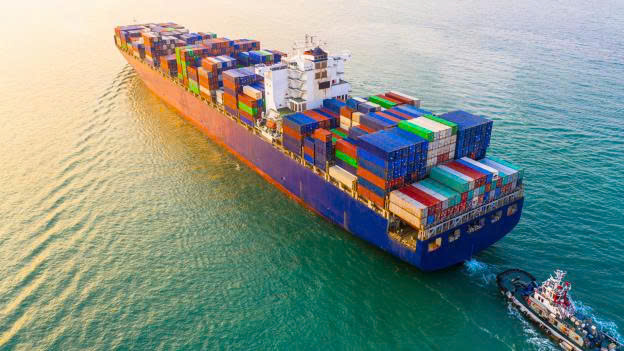
When a container leaves the origin port, its journey has only just begun. A Sea Freight shipment passes through multiple stages before reaching the consignee, including inland transportation, port handling, ocean transit, possible transshipment, customs clearance, and final delivery.
Understanding this journey helps importers and exporters better plan their shipments, monitor cargo status, and manage their supply chains.

1. From the Warehouse to the Origin Port
The journey starts at the shipper’s warehouse or factory. Before transportation begins, the cargo is inspected, packed, counted, and loaded into a suitable container.
The container is then sealed and transported by truck to the origin port.
Warehouse → Truck → Origin Port
At this stage, the logistics team coordinates the trucking schedule, port receiving time, booking information, and required export documents. Proper preparation is important because delays at the warehouse or during inland transportation can affect the entire shipping schedule.
2. Container Handling at the Origin Port
Once the container arrives at the port, it enters the terminal and goes through the required handling procedures.
The shipping and customs information is checked, including:
- Shipper and consignee details
- Cargo description
- Quantity and gross weight
- Container and seal numbers
- Booking information
- Export customs documents
After the required procedures are completed, the container waits for its assigned vessel.
Accurate documents → Smooth port handling → On-time vessel loading
3. Loading the Container onto the Vessel
The container is moved by terminal equipment to the designated loading area. Cranes then place the container onto the container vessel according to the vessel’s loading plan.
Origin Port → Container Vessel → International Ocean Route
Once the vessel departs, the cargo officially begins its international Sea Freight journey. Transit time can vary depending on the shipping route, vessel schedule, port congestion, weather conditions, and whether the shipment requires transshipment.

4. What Happens During the Ocean Journey?
During the voyage, the container travels along an established international shipping route. Some services operate as direct services, while others require a stop at a major transshipment hub.
A typical transshipment route may look like:
Origin Port → Transshipment Port → Connecting Vessel → Destination Port
At the transshipment port, the container may be discharged from the first vessel and loaded onto another vessel heading toward the destination. This means the total transit time depends not only on the distance between two countries but also on connection schedules and port operations.
5. Arrival at the Destination Port
When the vessel reaches the destination country, the container is discharged at the destination port. However, arrival at the port does not necessarily mean the cargo can immediately leave the terminal.
The shipment may need to complete import procedures, document checks, customs clearance, and other requirements depending on the type of cargo and destination regulations.
Vessel Arrival → Container Discharge → Import Procedures → Customs Clearance
For certain types of cargo, additional inspection or documentation may be required before release.
6. From the Destination Port to the Final Warehouse
Once the container has been released, it can continue its journey to the consignee’s warehouse.
Depending on the agreed logistics solution, the final leg may use:
Truck transportation
Rail transportation
Inland waterway transportation
A combination of multiple transport modes
For a Door-to-Door Sea Freight service, the logistics process continues until the cargo reaches the agreed delivery location.
7. Tracking the Container During the Journey
Container tracking is an important part of international logistics. Businesses can monitor information such as:
- Vessel name
- Container status
- Estimated Time of Departure (ETD)
- Estimated Time of Arrival (ETA)
- Transshipment information
- Destination port arrival
- Cargo release status
Having better shipment visibility allows businesses to prepare warehouse space, inventory, trucking, and production schedules in advance.
Every stage is connected. A delay at one point can potentially affect the following stages, which is why coordination between the shipper, carrier, freight forwarder, port, customs, trucking provider, and consignee is important.
8. Why Understanding the Container Journey Matters
For businesses involved in international trade, understanding the Sea Freight process can make shipment planning more efficient.
Knowing where a container is and what stage it is currently in can help companies:
- Plan inventory more effectively
- Arrange transportation in advance
- Prepare warehouse capacity
- Monitor estimated delivery times
- Identify potential delays
- Improve overall supply chain visibility In other words, a container is not simply transported from one port to another. It moves through a connected logistics network involving several transportation modes and operational stages.

Conclusion
From the moment goods leave the warehouse until they arrive at the consignee’s facility, a Sea Freight container goes through a complex but well-organized journey.
Warehouse → Inland Transport → Origin Port → Ocean Freight → Transshipment → Destination Port → Customs → Final Delivery
Understanding each stage gives businesses a clearer picture of how international shipments move and helps them make better decisions when planning their logistics operations.
See more at:
sea freight vs road transport in Vietnam: North-south cost comparison
vận chuyển đường biển từ Hồ Chí Minh đi cảng Leam Chabang, Thái Lan
