Table of Contents
Logistics: How Goods Move Through the Modern Supply Chain
Logistics plays an important role in moving goods from one place to another. Behind every product delivered to a customer is a supply chain that involves transportation, warehousing, cargo handling, documentation and distribution.
For international trade, logistics becomes even more important. A shipment may travel by truck, ship, rail or aircraft before reaching its final destination. Good logistics planning helps businesses control transportation costs, reduce delays and keep goods moving efficiently.

What Is Logistics?
Logistics is the process of planning, managing and controlling the movement and storage of goods from the point of origin to the final destination.
A logistics process can include several activities:
- Transportation
- Warehousing
- Cargo handling
- Packaging
- Inventory management
- Customs procedures
- Documentation
- Distribution
These activities work together to create a smooth flow of goods. If one part of the process is delayed, it can affect the entire supply chain.
For example, a shipment may arrive at a port on time, but a lack of warehouse space or incomplete documentation can delay the next stage of transportation.
The Role of Transportation in Logistics
Transportation is one of the most important parts of logistics. Different transportation methods are suitable for different types of cargo and delivery requirements.
Road Freight
Road transportation is commonly used for short and medium distances. Trucks can collect goods directly from factories, warehouses or distribution centers and deliver them to ports or customers.
For container shipments, trucks are also important for moving containers between ports, warehouses and industrial areas.
Sea Freight
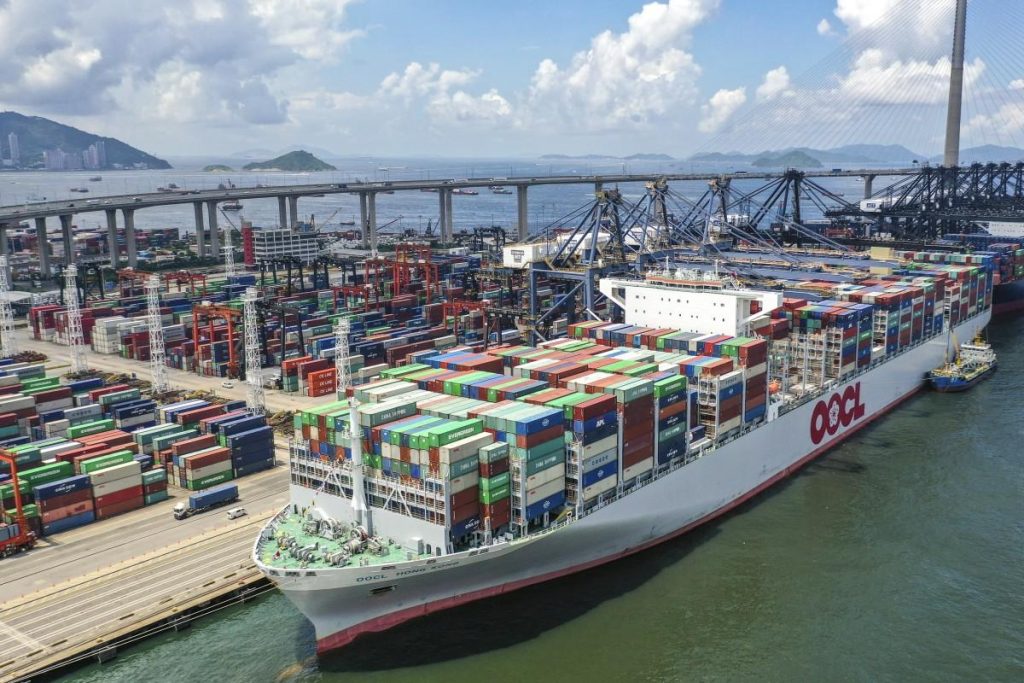
Sea freight is widely used for international cargo, especially for large volumes of goods. Compared with air freight, ocean transportation is generally suitable for shipments that do not require very fast delivery.
Containers make sea freight easier to organize because cargo can be loaded, transported and transferred between different modes of transportation.
Businesses can choose between FCL (Full Container Load) and LCL (Less than Container Load) depending on cargo volume and shipping requirements.
Air Freight
Air freight is suitable for urgent shipments, high-value products and goods that need shorter transportation times. However, transportation costs are usually higher than sea freight.
Choosing the right transportation method depends on factors such as cargo type, volume, destination, delivery time and budget.
Warehousing: An Important Part of Logistics
Warehouses are not simply places where goods are stored. They also support inventory management, cargo consolidation, packing, sorting and distribution.
A well-organized warehouse can help businesses:
- Reduce unnecessary storage time
- Improve inventory control
- Prepare orders faster
- Consolidate shipments
- Reduce handling costs
For international shipments, warehouses can also serve as important points for preparing cargo before it is transported to the port.
From Warehouse to Port
Before a shipment reaches the port, several steps usually take place.
First, the goods are prepared and packed according to their characteristics. The cargo is then checked, labeled and documented.
After that, a truck collects the shipment from the warehouse and transports it to the appropriate port. Depending on the shipment, customs procedures and other required documents may need to be completed before the cargo can be exported.
For businesses handling international shipments, careful preparation at this stage can help reduce unexpected delays.
Businesses looking for examples of international transportation services can also explore the Vinalines International Express Shipping page, which includes various international cargo transportation routes and services.
What Happens After a Container Leaves the Port?
Once a container is loaded onto a vessel, the next stage is the ocean journey to the destination port.
However, the logistics process does not end when the ship arrives.
After reaching the destination port, the container may go through several steps, including unloading, customs clearance, cargo inspection when required, and transportation to a warehouse or distribution center.
The container may then be transported by truck or another mode of transport to its final destination.
This is why international logistics should be viewed as a complete process rather than only a sea transportation service.
For a more detailed look at the journey of a container after leaving the port, see Where Does a Container Go After Leaving the Port?.
Why Logistics Planning Matters
Effective logistics planning can bring several benefits to businesses.
1. Lower Transportation Costs
Choosing the right route and transportation method can help reduce unnecessary expenses.
2. Better Delivery Performance
A well-planned logistics process helps businesses manage delivery schedules and reduce avoidable delays.
3. Better Inventory Management
Good coordination between transportation and warehousing helps businesses maintain suitable inventory levels.
4. Fewer Supply Chain Disruptions
Having alternative transportation options and proper cargo planning can help businesses respond to unexpected problems.
5. Better Customer Service
When goods arrive at the right place and at the expected time, businesses can provide a more reliable service to their customers.
Technology in Modern Logistics
Technology is changing the way logistics operations are managed. Digital tracking systems allow businesses to monitor shipments and receive updates during transportation.
Warehouse management systems can also help control inventory, while transportation management systems can support route planning and vehicle management.
In international shipping, electronic documentation and digital communication can make information exchange between shippers, carriers, warehouses and other logistics partners more efficient.
The development of smart ports and automated cargo-handling systems is also helping improve the efficiency of modern maritime logistics.

Choosing the Right Logistics Solution
There is no single logistics solution suitable for every shipment. Businesses should consider several factors before choosing a transportation plan.
These include:
- Type of goods
- Cargo volume and weight
- Destination
- Required delivery time
- Transportation cost
- Packaging requirements
- Customs and documentation
- Storage needs
For small shipments, LCL may be more suitable than booking a full container. For large shipments, FCL can provide a more suitable solution.
Similarly, sea freight may be appropriate for large international shipments, while air freight may be considered when delivery speed is the priority.
Conclusion
Logistics connects production, transportation, warehousing, ports and final markets. A successful logistics process requires coordination between many different activities and partners.
From the moment goods leave a factory or warehouse to the time they arrive at their final destination, every stage can affect cost, delivery time and supply chain performance.
As international trade continues to develop, efficient logistics will remain an important factor in helping businesses move goods across borders and reach customers more effectively.
Better planning, better transportation and better coordination can create a more efficient supply chain.
