Table of Contents
Surrendered B/L, Switch Bill, and Seaway Bill: Definitions, Differences, and Use Cases
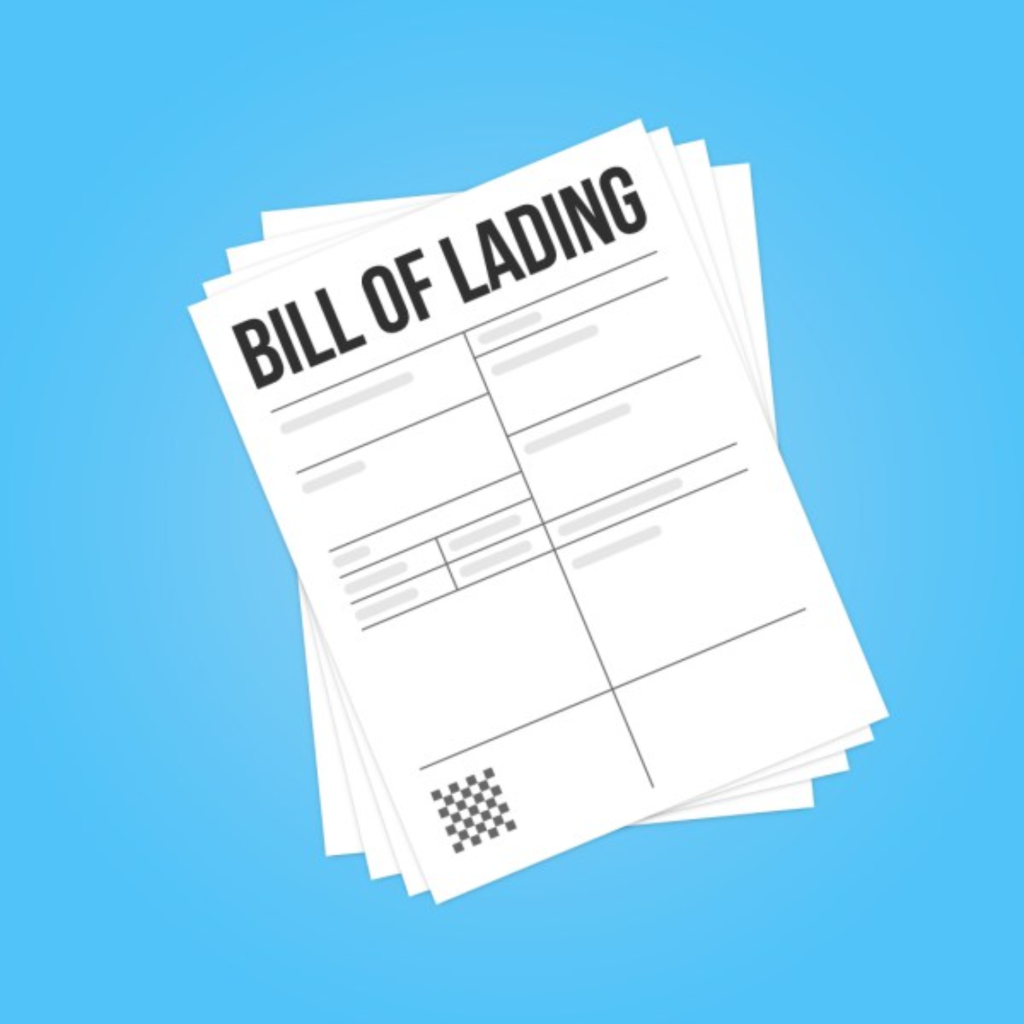
In international ocean freight, the Bill of Lading (B/L) is the most critical commercial document. It functions as a receipt for goods, a contract of carriage, and a document of title.
However, issuing traditional paper Original Bills of Lading creates serious delays on fast shipping routes. The vessel often reaches the discharge port long before courier planes deliver paper documents.
To solve this issue, modern shipping lines offer alternative document formats. Understanding Surrendered B/L, Switch Bill, and Seaway Bill helps shippers speed up cargo release while safeguarding financial transactions.
1. What Is a Surrendered Bill of Lading (Surrendered B/L)?
A Surrendered B/L occurs when the shipper returns the full set of Original Bills of Lading to the carrier. By surrendering these physical papers at the loading port, the shipper relinquishes ownership rights.
Consequently, the carrier transmits an electronic release message—commonly called a Telex Release—to their destination agent. As a result, the consignee collects cargo simply by proving identity, without presenting physical paper originals.
When Is It Used?
-
Short Sea Shipping Routes: Ideal for intra-Asia lanes (such as Vietnam to China, Thailand, or Singapore) where vessels arrive within days.
-
Payment Secured: Shippers use this format when the overseas buyer settles the entire invoice before vessel arrival.
-
Longstanding Business Relationships: Established partners frequently choose surrendered releases to cut international courier fees.
2. What Is a Seaway Bill (Sea Waybill)?
A Seaway Bill (Express Release) is a non-negotiable transport document issued directly by the carrier. Unlike an original bill, it never acts as a document of title.
Therefore, ownership cannot transfer to third parties through cargo endorsements. The carrier delivers the container directly to the named consignee without requiring paper surrender procedures.
When Is It Used?
-
Intra-Company Shipments: Perfect for freight moving between multinational parent companies and foreign subsidiaries.
-
Open-Account Trade Terms: Suitable for trusted trade transactions where suppliers offer credit terms to buyers.
-
Zero Commercial Risk: Used when the seller does not need to withhold documents to secure payment.
3. What Is a Switch Bill of Lading (Switch B/L)?
A Switch Bill of Lading replaces the original set of bills issued during initial loading. Specifically, a freight forwarder issues a new set of bills (Set 2) to replace Set 1.
While container weights and product descriptions remain identical, parties modify commercial details like shipper, consignee, and notify party. However, the forwarder must recall and cancel the complete original set before releasing the Switch B/L.
When Is It Used?
-
Triangular (Cross-Trade) Commerce: A trading middleman buys goods in Country A and sells them directly to Country B.
-
Protecting Trade Secrets: The intermediary conceals the real manufacturer’s identity to prevent buyers from bypassing their services.
-
Payment Splitting: Used when local trade regulations or Letters of Credit (L/C) require modified supplier details on shipping manifests.
4. Key Differences: Comparison Overview
| Document Feature | Surrendered B/L | Seaway Bill | Switch Bill |
| Document of Title? | Yes, initially (cancelled upon surrender) | No, never negotiable | Yes, acts as replacement title |
| Original Paper Issued? | Yes, printed then returned to carrier | No paper originals printed | Yes, replaces original Set 1 |
| Physical Paper Required at POD? | No, released via electronic message | No, requires consignee ID only | Depends on final release choice |
| Primary Commercial Purpose | Fast release on short transit routes | Instant release between trusted firms | Concealing supplier data in 3-way trade |
| Risk of Non-Payment | Moderate (release after payment) | Very High (unconditional release) | Low to Moderate (depends on trading terms) |
5. Practical Risks and Operational Best Practices

Selecting the wrong transport document creates severe commercial and financial vulnerabilities:
First, never issue a Seaway Bill if your buyer has not paid for the goods. Because Seaway Bills grant unconditional delivery rights, buyers collect containers without paying their balance.
Second, verify that every original bill is returned before requesting a Switch B/L. Holding duplicate sets of active bills creates severe maritime fraud liabilities for forwarders.
Third, confirm with destination port authorities before choosing electronic releases. Certain nations enforce strict customs rules that still demand stamped physical paper originals for import declarations.
Finally, keep digital copies of all surrendered endorsements and Telex Release confirmations. Clear electronic records protect your firm if billing or delivery disputes emerge later.
Frequently Asked Questions (FAQ)
What is the difference between a Telex Release and a Surrendered B/L?
A Surrendered B/L is the legal action of giving up the original bills. In contrast, a Telex Release is the digital instruction message sent by the carrier to release the cargo.
Can a Seaway Bill be converted into an Original B/L?
No. Once a carrier issues a non-negotiable Seaway Bill, parties cannot change it into an original negotiable bill of lading.
Who has the legal right to request a Switch Bill of Lading?
Only the legitimate cargo owner who holds the complete first set of Original Bills of Lading can request a Switch B/L.
Selecting the right bill of lading streamlines cargo delivery and protects your commercial interests. Contact our international shipping desk today for expert guidance on managing your export documentation and cross-border trade transactions!
Read more:
Professional Export Customs Clearance Service from Vietnam to the USA
Khai báo hàng tạm nhập tái xuất, quá cảnh, chuyển khẩu Việt Nam Trung Quốc
