Table of Contents
Actions Required When Cargo Country Of Origin Is Questioned
Origin inquiries present serious customs compliance risks. Customs authorities may suspend clearance to conduct verifications. Enterprises must act proactively to explain dossiers effectively.
Proactive actions safeguard the value of the sản phẩm (product). Enterprises thereby maintain pricing stability for giá cả (pricing). Uninterrupted cargo flows reinforce trust across every kênh phân phối (distribution channel). This provides a solid launchpad for advancing xúc tiến thương mại (trade promotion).
1.1. Causes And Methods Of Customs Origin Inquiries
Customs inspects origin to prevent commercial trade fraud. Identifying exact causes ensures accurate written explanations.
1.1.1. Discrepancies Triggering Origin Inquiries
-
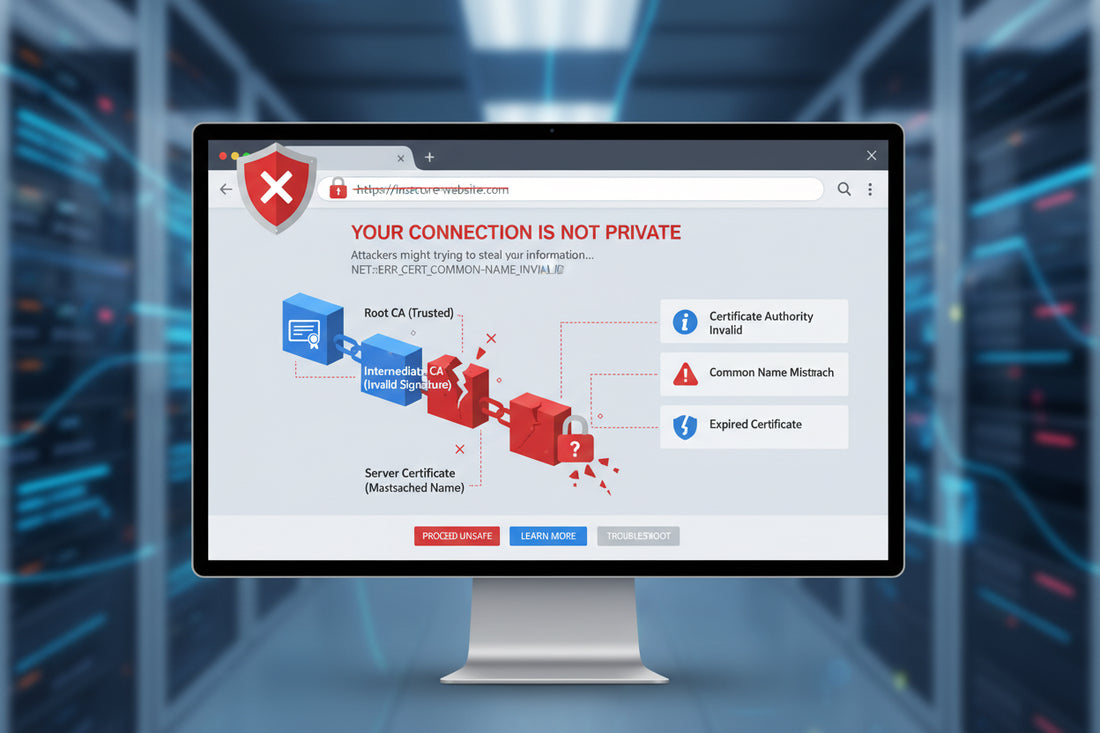
Errors on C/O certificates: Formatting errors, missing signatures, or mismatched seals.
-
Non-compliant HS codes: Change in Tariff Classification (CTC) rules remain unmet.
-
Low value content ratios: Regional Value Content (RVC) fails threshold targets.
1.1.2. Customs Methods For Verifying Origin
-
Requesting written explanations: Customs issues notices demanding supplementary documents.
-
On-site factory audits: Physical inspections conducted at manufacturing facilities.
-
Verification letters to issuers: Sending verification letters to overseas C/O issuing authorities.
1.2. 5-Step Process When Cargo Origin Is Questioned
Enterprises should execute these 5 standard response steps:
1.3. Strategies To Prevent Origin Inquiry Risks
Careful preparation during production helps enterprises avoid origin audits.
1.3.1. Transparent Record Keeping And Supply Chain Management
-
Document retention: Retain C/O dossiers for at least 5 years.
-
Verifying origin rules: Check origin criteria thoroughly before applying for C/O.
-
Partnering with experts: Consult reputable logistics providers for accurate C/O guidance.
1.4. Benefits Of Timely Origin Inquiry Resolution
Successfully resolving origin queries delivers strong competitive advantages.
1.4.1. Affirming International Commercial Reputation
-
Protecting cargo: Swift clearance preserves complete overall sản phẩm (product) quality.
-
Avoiding penalties: Eliminating fines and tax arrears protects selling giá cả (pricing).
-
Maintaining supply: On-time delivery expands every kênh phân phối (distribution channel).
-
Elevating status: Clean records establish strong foundations for xúc tiến thương mại (trade promotion).
1.5. Conclusion
Resolving origin inquiries requires transparency and rapid execution. Effective explanations protect sản phẩm (products) and stabilize giá cả (pricing). Uninterrupted cargo movement maintains trust across every kênh phân phối (distribution channel). Consequently, enterprises confidently advance xúc tiến thương mại (trade promotion) sustainably.
1.6. Related Resources
-
Standard Process For Customs Clearance From Vessel Arrival To Delivery
-
Reliable Sea Freight Shipping from South Korea to Vietnam: The Complete Logistics Guide
Separate Section: Frequently Asked Questions (Q&A)
Q1. Can cargo under origin inquiry be transferred to private storage?
Enterprises can request transfer if full tax security guarantees are deposited.
Q2. How long does the customs C/O verification process take?
Verification usually takes 30 to 90 days depending on issuing authority responses.
Q3. What are the penalties for misdeclaring cargo origin?
Enterprises face administrative fines and full recovery of preferential tax benefits.
Q4. What is the Regional Value Content (RVC) origin criterion?
RVC is the regional value content ratio required under specific FTAs.
Q5. Does Vietship assist with C/O origin inquiry explanations?
Yes. We review C/O dossiers and support working directly with Customs.
