Table of Contents
Dong Nai Formulates Breakthrough Policies to Advance Seaports, Waterways, and Logistics
Dong Nai Province is a core industrial engine in Southern Vietnam. The province hosts dozens of thriving industrial zones and thousands of multinational manufacturing enterprises.
However, rapid industrial growth has outpaced existing inland transport capacity. Highway corridors connecting regional factories to deep-water seaports face mounting congestion every day.
To unlock multimodal potential, provincial authorities are designing comprehensive Dong Nai seaport and logistics development policies. This strategic initiative will transform the province into a modern logistics powerhouse, integrating maritime waterways, expressways, and international aviation.
1. Strategic Imperative Behind Dong Nai’s New Logistics Vision
Dong Nai possesses an extraordinary geographic location within the Southern Key Economic Zone. Several critical drivers make comprehensive logistics policies urgent for the province:
-
Relieving Highway Freight Congestion: Industrial cargo moving toward Ho Chi Minh City ports causes chronic traffic gridlocks. Developing inland waterways offers a high-capacity, low-cost transport alternative.
-
Capitalizing on Mega Infrastructure: The upcoming Long Thanh International Airport demands world-class bonded warehousing and air-cargo logistics networks.
-
Direct Access to Deep-Sea Gateways: Dong Nai sits directly adjacent to the Cai Mep – Thi Vai deep-water port complex. Expanding provincial river ports enables direct feeder connectivity to intercontinental ocean liners.
Consequently, provincial leaders are prioritizing supportive mechanisms to attract private logistics investment and streamline cross-border trade.
2. Core Pillars of the Master Development Policy
The provincial policy framework focuses on three synchronized transport pillars:
Expanding the Seaport and River Port Cluster
The province is accelerating key maritime infrastructure projects along the Dong Nai, Nha Be, and Thi Vai river systems.
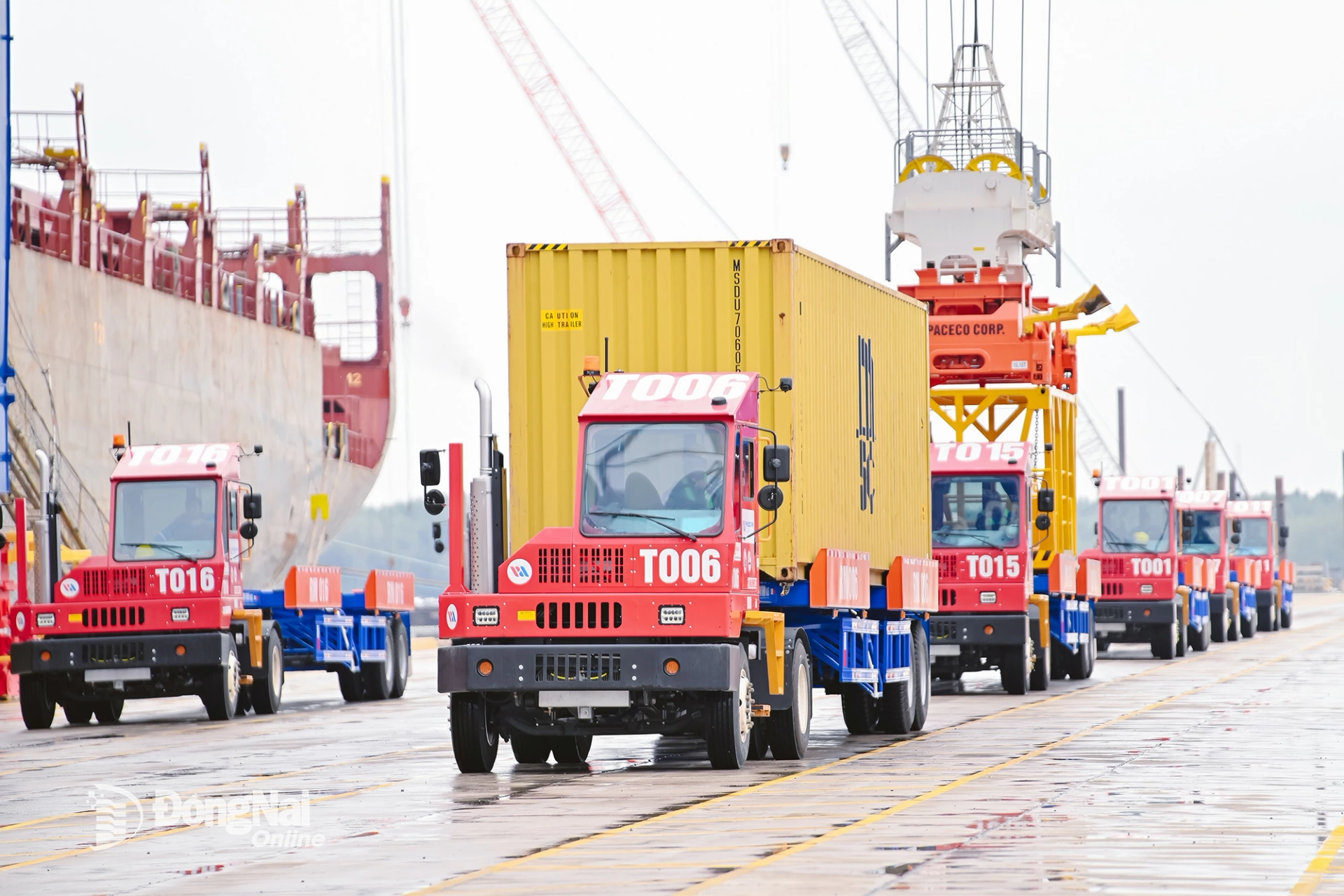
Specifically, authorities prioritize the completion and commercial scaling of Phuoc An Port. As a modern deep-water port project, Phuoc An will accommodate large cargo vessels and handle containerized transshipment smoothly.
Furthermore, policy drafts provide incentives for terminal operators to modernize gantry cranes, deepen navigation channels, and automate container yard gates.
Maximizing Inland Waterway Transport (IWT)
Dong Nai features an extensive network of natural rivers and navigable canals. Transporting freight via river barges cuts logistics expenses by up to 30% compared to road transport.
Therefore, the new policy outlines dedicated capital subsidies for river terminal developers. In addition, the province encourages shippers to shift heavy container volumes from highway trucks to coastal river barges.
Building Modern Multimodal Logistics Parks
The provincial master plan designates strategic land reserves for large-scale inland container depots (ICDs) and logistics parks.
These planned parks will feature automated bonded warehouses, cold-chain storage facilities, and Container Freight Stations (CFS). Located near expressway interchanges and river terminals, these facilities will provide seamless multi-modal cargo transfers.
3. Synergy with Long Thanh International Airport

The construction of Long Thanh International Airport acts as a massive catalyst for Dong Nai’s logistics transformation:
First, high-tech manufacturing industries require rapid air-cargo forwarding capabilities. Logistics centers positioned around the airport perimeter will process semiconductor parts, electronic components, and medical equipment within hours.
Second, the provincial policy encourages the development of an integrated “Free Trade Zone” (FTZ) model adjacent to the airport. This model combines duty-free manufacturing, bonded assembly, and international distribution in one location.
Finally, dedicated expressway links will connect Long Thanh Airport directly to Phuoc An Port and Cai Mep terminals. This vital connection creates an integrated sea-air freight corridor unprecedented in Southern Vietnam.
4. Green Logistics and Digital Transformation
Dong Nai’s proposed development roadmap places heavy emphasis on sustainable supply chains and digital operations:
-
Paperless Port Ecosystems: Provincial agencies are pushing for digital port operating systems (Smart Port) and automated gate-in barcodes across all river terminals.
-
Green Energy Transition: The policy incentivizes terminal operators to install rooftop solar panels and transition yard tractors to electric power.
-
Carbon Reduction via Barge Freight: Shifting container freight to inland waterway barges slashes carbon emissions significantly compared to diesel highway trucks.
As international buyers demand strict ESG compliance, these green initiatives ensure Vietnamese export products maintain global market access.
5. What This Development Means for Enterprises and Investors
The aggressive rollout of logistics incentives delivers clear commercial advantages for domestic and foreign enterprises:
Manufacturing plants across Bien Hoa, Long Thanh, and Nhon Trach will access cheaper transport alternatives. Shippers will avoid terminal gate congestion in Ho Chi Minh City by clearing customs locally at modern Dong Nai ICDs.
Furthermore, international logistics corporations gain transparent legal frameworks and land clearance support to build modern logistics parks. Lowering regional logistics costs will enhance overall industrial competitiveness across Southern Vietnam.
Ultimately, these forward-looking policies will elevate Dong Nai from a simple factory manufacturing center into a world-class multimodal logistics hub.
Frequently Asked Questions (FAQ)
Why is Dong Nai prioritizing inland waterways for container transport?
Dong Nai prioritizes inland waterways to reduce highway traffic congestion, lower freight transportation costs by up to 30%, and significantly reduce carbon emissions.
What role does Phuoc An Port play in Dong Nai’s logistics strategy?
Phuoc An Port serves as the province’s flagship deep-water maritime gateway, directly connecting regional industrial zones to international shipping routes along the Thi Vai river.
How will Long Thanh Airport integrate with provincial seaports?
New expressways and intermodal freight corridors will link Long Thanh Airport directly with Phuoc An Port and Cai Mep terminals, creating an integrated sea-air logistics network.
Accelerating Dong Nai seaport and logistics development policies marks a major turning point for Southern Vietnam’s supply chain ecosystem. Contact our logistics advisory desk today to explore tailored freight routes, customs clearance options, and container drayage solutions across Dong Nai Province!
Read more:
Reliable Domestic Sea Freight Shipping from Da Nang to Haiphong Port
Chuyển phát nhanh hỏa tốc nội địa Sài Gòn – Hải Phòng nhanh nhất
