Table of Contents
How to Apply for a Phytosanitary Certificate for Export Goods: The Definitive Guide
Exporting agricultural commodities, fresh fruits, and plant-based products requires strict adherence to international biosecurity standards. Importing nations enforce stringent border measures to protect their native ecosystems from invasive agricultural pests.
Therefore, border agencies mandate an official plant health document before clearing incoming shipments. Consequently, commercial shippers must secure a valid Phytosanitary Certificate issued by an authorized National Plant Protection Organization (NPPO).
Learning how to apply for a phytosanitary certificate for export guarantees seamless customs clearance at destination harbors. Furthermore, proper compliance safeguards your business against cargo rejection, forced re-export, or cargo destruction.
1. What Is a Phytosanitary Certificate?
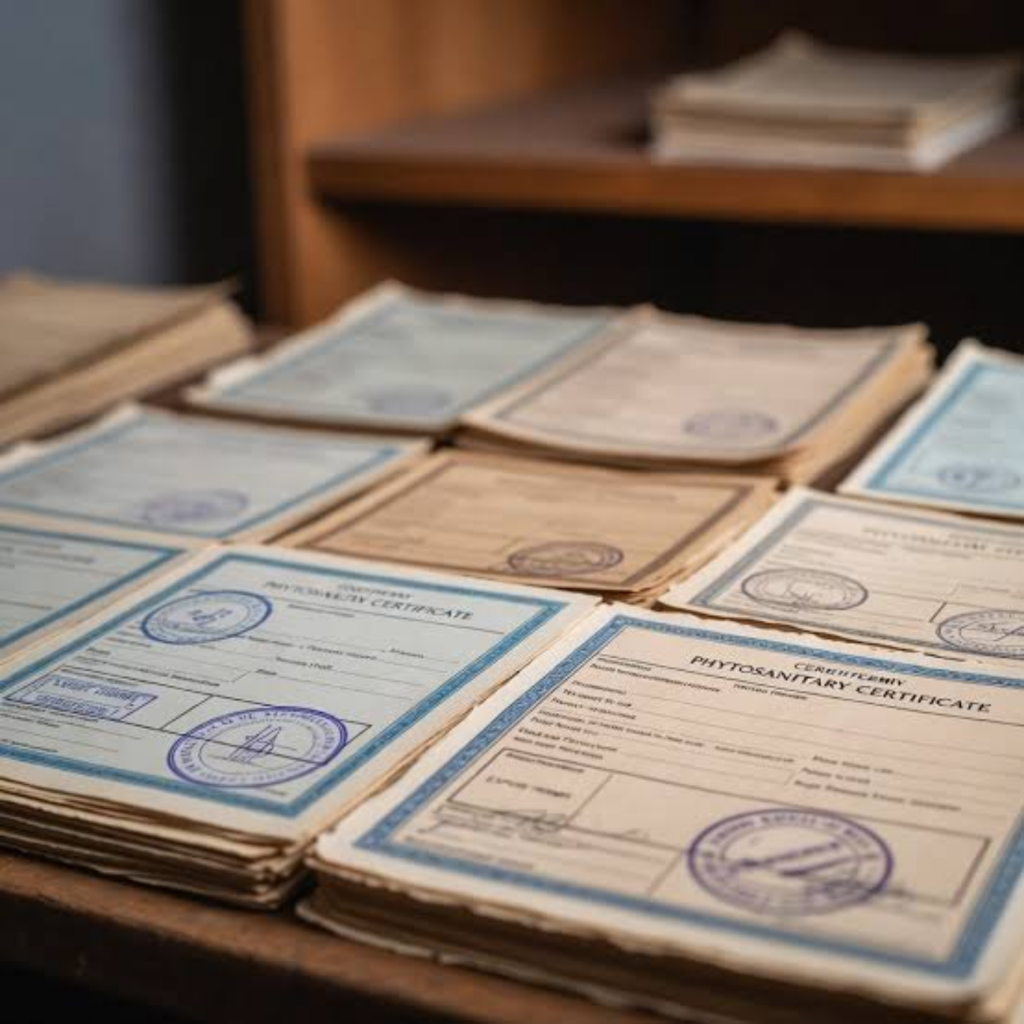
A Phytosanitary Certificate is a legal document issued by an authorized government plant protection agency. It verifies that a plant consignment meets the mandatory quarantine requirements of the destination country.
Specifically, the document certifies that authorized inspectors examined the cargo and declared it free from regulated quarantine pests. In addition, it confirms that the shipment satisfies specific sanitary standards.
Without this certificate, foreign customs authorities will detain agricultural shipments immediately upon arrival. As a result, securing this document is an indispensable trade prerequisite for international agribusiness.
2. Commodities That Require a Phytosanitary Certificate
Customs authorities subject numerous agricultural goods to mandatory plant quarantine procedures:
-
Fresh Produce: Fresh mangoes, dragon fruit, bananas, chili peppers, garlic, and fresh herbs.
-
Grains & Agricultural Staples: Rice, green coffee beans, raw cashew nuts, black pepper, and dried pulses.
-
Commercial Timber & Wood: Sawn timber, wood chips, round logs, and unmanufactured wood products.
-
Live Plants & Propagation Material: Seedlings, ornamental cuttings, live bonsai, and agricultural seeds.
-
Important Distinction for Wood Packaging: Raw wood pallets and wooden dunnage fall under the ISPM 15 standard. They require certified heat-treatment stamps rather than a separate plant certificate, unless foreign import rules dictate otherwise.
3. Documents Required Before Applying
Before lodging your official quarantine application, prepare your core commercial documentation carefully:
-
Quarantine Application Form: The formal declaration detailing exporter information, consignee name, scientific botanical names, and package types.
-
Commercial Invoice & Packing List: Listing exact weights, container numbers, package marks, and production origin.
-
Import Permit (If Mandated): Several markets, including Australia, the United States, and China, require a pre-issued import permit listing specific pest declarations.
-
Fumigation or Heat Treatment Endorsement: Evidence of authorized disinfestation treatment if your commodity or wood packaging requires it.
4. The 5-Step Process to Obtain the Certificate
Exporters must execute this administrative process systematically before the cargo departs the seaport:
Step 1: Submit Application via the National Trade Portal
In Vietnam, exporters submit registration dossiers online through the National Single Window (VNSW). In other countries, shippers use their respective NPPO electronic portals.
Submit the application at least one to two business days before stuffing containers. Early filing allows quarantine officers to schedule physical inspection appointments without disrupting vessel deadlines.
Step 2: Physical Inspection and Representative Sampling
Quarantine officers inspect the cargo at factory pack-houses, bonded warehouses, or port terminals before container doors are sealed.
Inspectors collect representative samples across cartons following international sampling protocols. Furthermore, they inspect the general packaging integrity and verify overall container hygiene.
Step 3: Laboratory Testing for Quarantine Organisms
If inspectors suspect pest contamination, they transfer samples to an accredited quarantine laboratory. Specialists examine the samples under optical microscopes to identify potential fungi, nematodes, or insect larvae.
Once laboratory tests confirm zero presence of target quarantine organisms, the laboratory issues an official release endorsement.
Step 4: Certificate Issuance and e-Phyto Transmission
The regional plant protection authority issues the formal Phytosanitary Certificate swiftly after passing inspection.
The document contains authorized signatures, official embossed seals, and detailed scientific botanical names. Furthermore, many trade lanes now exchange electronic certificates (e-Phyto) directly between customs systems.
Step 5: Dispatching the Certificate to the Consignee
Forward the original physical certificate or provide the electronic e-Phyto reference code to your overseas buyer. The importer submits this document to local border authorities to clear the consignment.
5. Key Strategies to Avoid Quarantine Rejections

Shippers can prevent costly border holds by following these practical operational recommendations:
First, research the specific pest lists of the destination country well before harvesting. Biosecurity rules differ significantly across the European Union, the United States, and Asian markets.
Second, clean ocean containers thoroughly before stuffing products inside. Residual soil clumps, animal hair, or stray weed seeds on container floors cause instant border rejections.
Third, ensure total alignment across all export shipping papers. Product descriptions, container numbers, and metric net weights must match the ocean bill of lading perfectly.
Finally, schedule inspections before container sealing. Attempting to inspect containers after gating into marine terminal stacks adds expensive container shifting and unstacking fees.
Frequently Asked Questions (FAQ)
What is the validity period of a Phytosanitary Certificate?
The validity period depends on the destination country’s regulations. Most biosecurity agencies require the shipment to depart within 14 days following inspection, although specific rules vary by commodity.
Can authorities issue a Phytosanitary Certificate retroactively?
No, quarantine authorities strictly prohibit retroactive issuance. Officers must inspect the physical cargo and confirm pest-free status before the vessel departs origin waters.
How long does standard application processing take?
For routine dry commodities requiring visual examination, authorities typically issue certificates within 4 to 24 hours. However, complex microbial incubation tests can take up to 48 hours.
Read more:
Impact of HS Codes on Import Duties
Shipping from Vietnam to Australia: Why is it necessary to provide the recipient’s postcode?
