Table of Contents
Import Container Pickup Process at Port: Complete Step-by-Step Operational Guide
Discharging a container from an ocean vessel marks only the midpoint of an international import shipment. Moving that box smoothly out of a congested marine terminal requires exact administrative and operational execution.
Even minor delays in releasing documents or paying port tariffs can trap containers inside terminal yards. Consequently, importers face rapidly escalating demurrage (DEM), detention (DET), and port storage penalties.
Mastering the import container pickup process at port ensures rapid terminal gate-out and keeps factory production schedules intact. This operational guide outlines every essential step from pre-arrival notifications to final empty container return.
1. Essential Documents Required Before Terminal Pickup
Before dispatching a drayage tractor to the marine terminal, the importer or broker must assemble a complete digital and physical dossier:
-
Cargo Arrival Notice (Thông báo hàng đến): Issued by the ocean carrier or freight forwarder 1 to 3 days before vessel docking.
-
Bill of Lading (B/L): Either a surrendered Telex Release, Seaway Bill, or endorsed Original Bill of Lading.
-
Electronic Delivery Order (e-DO): The official digital authorization from the shipping line permitting physical cargo release.
-
Cleared Customs Declaration & Barcode: The printed customs release barcode generated from the VNACCS/VCIS portal after duty settlement.
-
Container Deposit Receipt (Phiếu cược container): Proof of security deposit paid to the carrier to cover potential container cleaning or repair costs.
-
Letter of Introduction (Giấy giới thiệu): Formal authorization allowing the designated trucking company or port runner to act on the consignee’s behalf.
2. Step-by-Step Import Container Pickup Workflow
Port terminals in Vietnam (such as Cat Lai, Haiphong, and Cai Mep) operate digitized gate procedures across six sequential stages:
Step 1: Receive Arrival Notice and Settle Local Charges
Upon receiving the Arrival Notice, the consignee verifies container numbers, seal tags, and terminal discharge locations. Next, the importer settles mandatory local shipping line charges, including Terminal Handling Charges (THC), D/O fees, Cleaning fees, and Container Imbalance Charges (CIC).
Step 2: Obtain the Electronic Delivery Order (e-DO)
Once local charges clear, the shipping line issues an electronic Delivery Order (e-DO) directly via their online portal or email.
If trading under a traditional Original Bill of Lading, the broker must present the endorsed original paper copy at the carrier’s counter to unlock the digital release. Simultaneously, verify the container free-time expiration date printed on the e-DO.
Step 3: Complete Customs Clearance and Print the Release Barcode
The customs broker files the electronic import declaration on the VNACCS system and settles applicable import duties and Value-Added Tax (VAT).
Once customs authorities approve the entry (Thông quan), the broker downloads the Customs Supervision Barcode (Mã vạch qua khu vực giám sát) from the General Department of Vietnam Customs website.
Step 4: Register and Pay Port Fees via e-Port
Modern Vietnamese seaports eliminate manual cashier queues through integrated e-Port platforms (such as Tan Cang e-Port or Haiphong e-Port):
-
The dispatcher logs into the terminal e-Port account and inputs the container number and e-DO PIN code.
-
The system calculates port Lift-On/Lift-Off (LoLo) charges and yard storage fees (if free time expired).
-
After settling fees via online banking or QR transfer, the e-Port system generates an electronic Equipment Interchange Receipt (e-EIR) barcode.
Step 5: Terminal Gate-In, Container Inspection, and Gate-Out
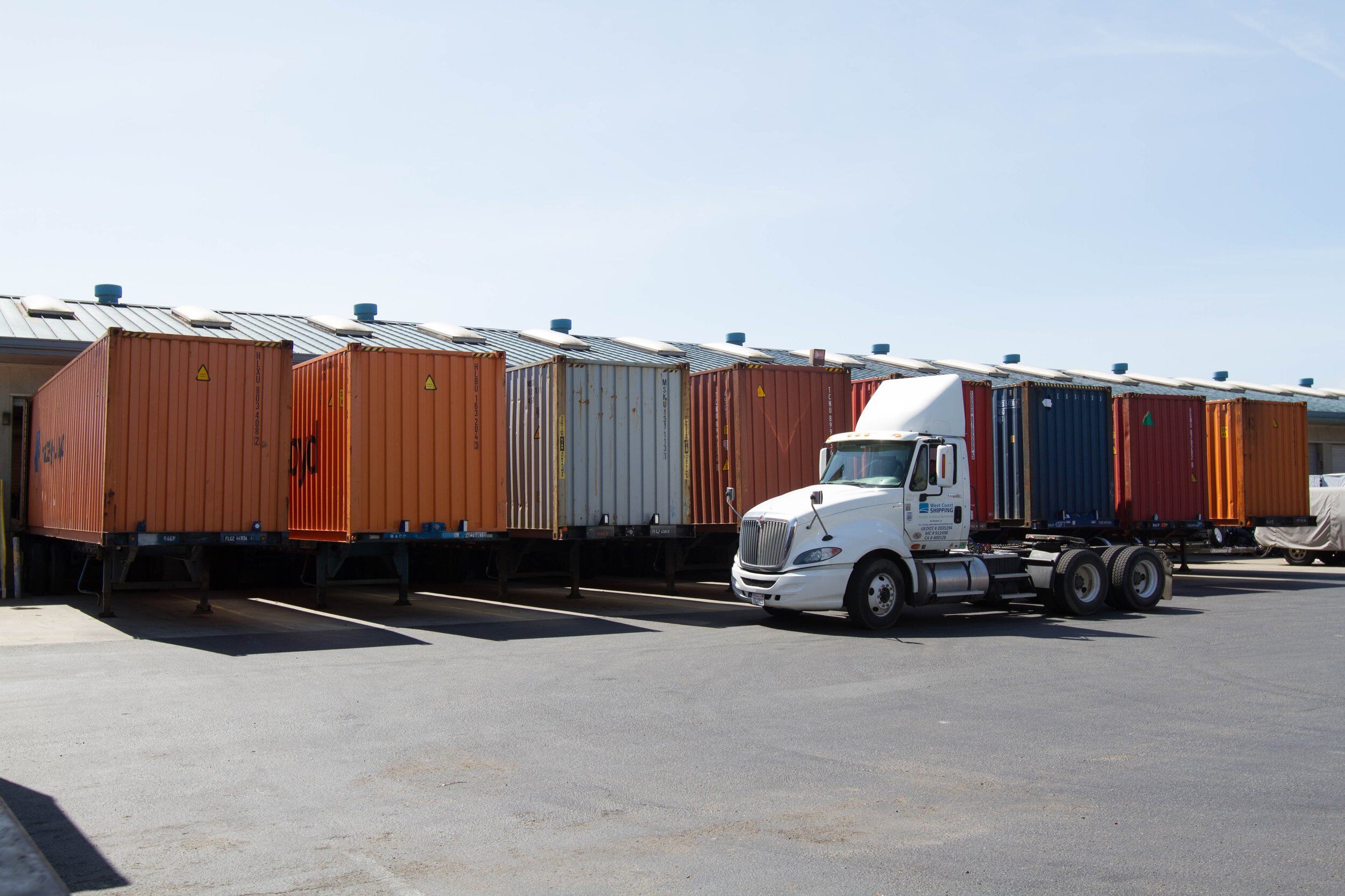
The assigned drayage tractor arrives at the designated terminal gate and scans the e-EIR QR code at the automated kiosk.
Following yard crane loading onto the chassis, the driver performs a mandatory physical equipment inspection:
-
Verify that the physical container number matches the e-EIR exactly.
-
Check the shipping line bolt seal against the Arrival Notice to confirm intact security.
-
Inspect exterior steel walls, corner castings, and roof panels for dents or holes, reporting damage to yard clerks before departing.
Finally, the truck passes through the outbound customs supervision gate, scans the customs barcode, and exits the port.
Step 6: Warehouse Offloading and Empty Container Return
The tractor delivers the sealed container to the importer’s warehouse dock. Facility staff break the seal, unload the cargo, and sweep the container interior clean.
Promptly afterward, the trucker returns the empty container to the shipping line’s designated depot. The depot clerk issues an empty return receipt, allowing the importer to reclaim their container deposit.
3. Summary Checklist: Responsibility Matrix

Clear coordination between trade stakeholders prevents operational bottlenecks at port gates:
| Process Stage | Primary Responsible Party | Key Output Document |
| 1. Local Fee Settlement | Importer / Forwarder | Official Carrier VAT Invoice |
| 2. e-DO Issuance | Ocean Carrier / Co-loader | Digital e-DO & PIN Code |
| 3. Customs Clearance | Licensed Customs Broker | Customs Supervision Barcode |
| 4. Port LoLo Payment | Drayage Dispatcher / Broker | Electronic EIR (e-EIR) |
| 5. Physical Gate-Out | Container Truck Driver | Stamped Outbound Gate Pass |
| 6. Empty Box Return | Drayage Trucker | Depot Empty Interchange Receipt |
4. Practical Tips to Prevent Terminal Pickup Delays
Importers can eliminate unexpected surcharges and accelerate container gate-outs by applying four proven practices:
First, request a Seaway Bill or Telex Release from overseas suppliers whenever payment terms allow. Waiting for international paper couriers frequently causes containers to exceed port free time before pickup begins.
Second, submit customs declarations prior to vessel berthing. Pre-clearing customs through automated Green or Yellow channels allows trucks to enter the terminal the moment gantry cranes stack the container.
Third, check container free-time validity carefully on the e-DO before dispatching trucks. If a container expires by even one hour while the driver queues inside the yard, automated terminal gates will block exit until additional storage fees are paid.
Finally, confirm the exact empty return depot address in advance. Shipping lines frequently adjust designated empty depots based on regional container inventory, and sending trucks to full depots triggers costly dry-run fees.
Frequently Asked Questions (FAQ)
What is an e-DO and why is it mandatory for container pickup?
An e-DO (Electronic Delivery Order) is a digital release authorization issued by the ocean carrier. It replaces paper delivery orders, connecting directly with port e-Port systems to verify ownership before releasing containers.
What happens if the container seal number does not match the Bill of Lading?
The driver must halt gate-out immediately and notify terminal security, customs officers, and the shipping line. Customs authorities will document the discrepancy and conduct a physical inspection to verify cargo integrity.
How long does it take to gate out an import container at Cat Lai or Haiphong Port?
Once customs clearance and e-Port payments finish, physical terminal gate-in, yard crane lifting, and gate-out typically take between 1.5 and 3 hours, depending on yard congestion.
Mastering the import container pickup process at port protects your business from avoidable storage penalties and keeps inventory moving smoothly. Contact our port logistics and customs brokerage team today to handle your e-DO exchanges, customs filings, and container drayage nationwide!
Read more:
PORT CONGESTION IN GLOBAL SHIPPING
Hướng dẫn nhập khẩu thiết bị kiểm tra ống kính camera
