
Table of Contents
Professional Resolution for Complex Customs Declarations, Physical Inspections, and Documentation Audits
International supply chains operate within strict operational windows. However, border clearance in Vietnam frequently confronts unforeseen compliance hurdles.
A clerical error on a commercial invoice, a contested Harmonized System (HS) code, or a sudden routing to the physical inspection channel (Luồng Đỏ) can abruptly freeze container releases. Consequently, shipments accumulate costly demurrage, detention, and terminal storage fees while factory production lines sit idle.
Navigating these regulatory hurdles requires deep statutory knowledge, procedural precision, and direct on-site intervention. Our dedicated complex customs clearance services in Vietnam provide fast, compliant, and decisive support to resolve stalled declarations, streamline physical inspections, and correct documentation discrepancies across major marine terminals and border checkpoints.
1. What Defines a “Complex” Customs Declaration?
Standard declarations moving through Green or basic Yellow channels clear via automated processing. Conversely, complex customs shipments involve technical, valuation, or administrative scrutiny:
-
Contested HS Code Classifications: Discrepancies between the importer’s declared tariff heading and the customs valuation database, altering applicable duty rates.
-
Customs Valuation Consultations (Tham vấn giá): Suspected undervaluation where customs officers flag declared transaction prices for formal price determination hearings.
-
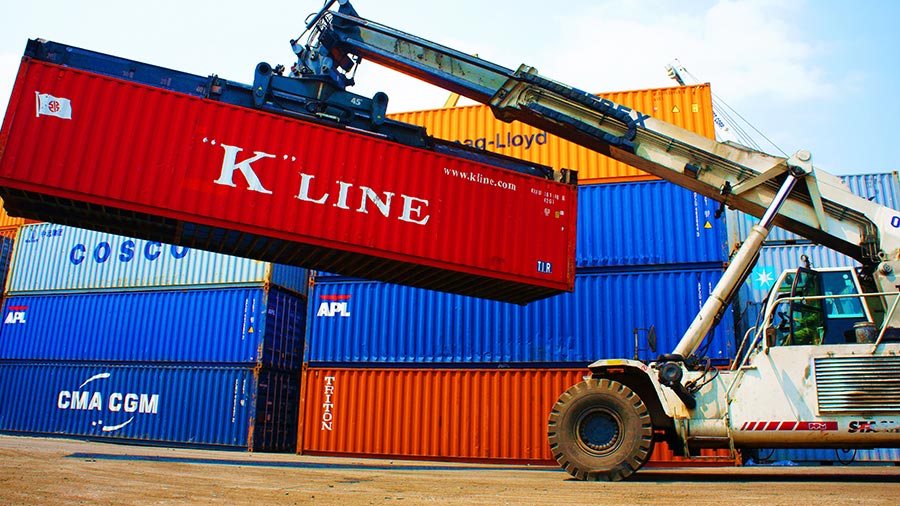
Physical Cargo Inspections (Red Channel – Luồng Đỏ): Shipments flagged for physical unstuffing, box verification, or non-intrusive container X-ray scanning.
-
Specialized Inspection Mandates (Kiểm tra chuyên ngành): Consignments requiring quality registration, food safety approvals, phytosanitary checks, or energy efficiency certifications.
-
Used Industrial Machinery Clearance: Imports governed by strict age and technological compliance criteria under Decision No. 18/2019/QD-TTg.
-
Deficient or Discrepant Documentation: Shipments missing mandatory Certificates of Origin, displaying mismatched container seals, or carrying clerical invoice errors.
2. Red Channel (Luồng Đỏ) Management and Physical Inspection Protocols
When the automated VNACCS risk management system routes a declaration to the Red Channel, operational risks escalate immediately. Managing physical examinations smoothly requires strict coordination at the port yard:
Common Types of Physical Inspections
-
Container X-Ray Scanning (Soi chiếu container): High-throughput mobile or stationary scanners inspect container interiors for undeclared items or density variations.
-
Partial Manual Inspection (Kiểm tra xác suất 5% – 10%): Port stevedores unstuff designated carton rows near container doors to verify piece counts, physical labels, and specifications.
-
Full Manual Inspection (Kiểm tra toàn bộ 100%): Complete devanning of the container onto the port inspection floor to inspect every pallet, drum, or piece.
Our Field Intervention Process
Our on-site field runners coordinate directly with terminal yard managers, stevedores, and customs officers:
-
We schedule forklift equipment and labor crews in advance to minimize port wait times.
-
Our personnel oversee the unsealing and devanning process to protect cargo from handling damage.
-
We ensure goods present compliant physical labels displaying the manufacturer name, origin country, production batch, and model specifications under Decree No. 43/2017/ND-CP and Decree No. 111/2021/ND-CP.
-
We resolve on-site officer inquiries regarding packaging markings immediately, ensuring prompt resealing and customs clearance sign-off.
3. Resolving Document Deficiencies and Supplemental Filings (Khai bổ sung)
When customs officers detect discrepancies or require additional verification documents, time is critical:
Managing Information Inconsistencies
Clerical mismatches between the Commercial Invoice, Packing List, and Bill of Lading routinely trigger official queries. We assist importers in obtaining rapid amended documentation from overseas suppliers or filing formal explanatory statements (Công văn giải trình) to satisfy customs legal branches.
Electronic Supplementary Amendments (AMA / AMC Transactions)
Under Article 20 of Circular No. 38/2015/TT-BTC (amended by Circular No. 39/2018/TT-BTC), declarants can amend declared data fields electronically:
-
Pre-Clearance Amendments (Form AMA): Adjusting quantities, unit values, or tariff codes prior to final customs sign-off.
-
Post-Clearance Corrections (Form AMC): Rectifying inadvertent clerical errors within 60 days of declaration registration without incurring administrative tax evasion penalties.
-
Our licensed customs brokers prepare the necessary supplementary dossiers, legal justifications, and supporting bank remittances to secure formal approval.
Rectifying Certificate of Origin (C/O) Inconsistencies
Preferential origin forms (such as Form E, Form D, Form EUR.1, or Form VK) frequently face rejection due to minor typographical errors, overleaf note omissions, or third-party invoicing ambiguities. We perform immediate diagnostic reviews, coordinate with issuing authorities for retroactive corrections, or provide customs guarantees to safeguard 0% tariff rates.
4. Valuation Consultations and Duty Dispute Defense (Tham vấn giá)
Customs valuation disputes can substantially inflate import tax liabilities and freeze working capital:
When declared invoice values fall below the national customs risk assessment price database, authorities issue a summons for formal Price Consultation (Tham vấn giá).
Our compliance team structures comprehensive valuation defense files:
-
Compiling objective transaction evidence, including confirmed purchase contracts, swift bank transfer slips, and export declarations from the origin country.
-
Assembling international price benchmarking data and supplier catalog pricing.
-
Representing the importer during formal technical hearings at regional customs departments to validate legitimate commercial transaction values.
5. End-to-End Problem Resolution Framework
We execute a disciplined, five-step recovery workflow for troubled or stalled customs entries:
Step 1: Rapid Diagnostic Audit
We analyze the active electronic declaration, review system error codes, and pinpoint the exact regulatory cause of the customs hold within two hours.
Step 2: Legal and Technical Strategy Formulation
Our senior brokers map out a compliant resolution path based on active customs laws, circulars, and ministerial precedents.
Step 3: Dossier Reconstruction and Supplemental Drafting
We compile certified explanatory letters, coordinate missing technical documentation, and submit electronic amendments through the National Single Window (VNSW).
Step 4: On-Site Port and Customs Coordination
Our field personnel work directly at the supervising customs sub-department and terminal inspection bays to clear physical inspection bottlenecks.
Step 5: Final Clearance and Yard Release
Once the customs officer clears the declaration, we settle remaining terminal fees, print the customs barcode, and dispatch our transport fleet to deliver the container immediately.
6. Practical Tips to Prevent Future Customs Complications
Importers can prevent complex customs disputes by adopting four continuous compliance disciplines:
First, mandate strict pre-shipment label audits. Ensure every import carton and product unit carries legible, compliant markings detailing the exact country of origin and manufacturer information before factory stuffing.
Second, verify HS codes against the official Vietnam Customs Tariff Compendium prior to shipment dispatch. Requesting an official Advance Ruling on Tariff Classification (Xác định trước mã số hàng hóa) eliminates classification disputes entirely.
Third, ensure product descriptions on commercial invoices are specific and technical. Avoid vague generic descriptions like “spare parts” or “accessories,” which trigger automated risk management flags.
Finally, establish a dedicated digital trade document repository. Systematic archiving of technical catalogs, material safety data sheets, and banking payment records ensures instant substantiation during customs queries.
Frequently Asked Questions (FAQ)
What happens if a shipment fails the physical customs inspection (Red Channel)?
If physical goods do not match the declared paperwork, customs officers halt clearance, issue a formal violation record (Biên bản vi phạm), and refer the case for administrative penalties under Decree No. 128/2020/ND-CP.
How long does a customs price consultation (Tham vấn giá) take?
Under current customs regulations, the valuation consultation process must be scheduled and concluded within 30 days from the declaration registration date. Importers can choose to pay duty based on customs valuation or provide a bank guarantee for early cargo release.
Can an invalid Certificate of Origin be resubmitted after cargo release?
Yes. If an original C/O requires clerical correction, importers can request a 30-day submission grace period at the time of declaration to present a corrected, retroactively issued C/O without forfeiting preferential tariff benefits.
Overcoming complex customs clearance services in Vietnam demands specialized technical competence, regulatory mastery, and prompt on-dock intervention. Contact our specialized customs resolution desk today to unfreeze stalled declarations, manage physical inspections, and secure prompt release for your cargo!
Read more:
The Critical Role of MSDS in International Shipping: Compliance, Safety, and Carrier Approvals
Dịch vụ vận chuyển hàng đi Philippines
