Table of Contents
Quang Tri Proposes Modern Smart Logistics Center at Lao Bao International Border Gate
Cross-border trade between Vietnam, Laos, and Thailand is expanding at a rapid pace. To capitalize on this surging cargo volume, authorities in Quang Tri Province have proposed an ambitious project.
Specifically, the province plans to develop a world-class smart logistics center at Lao Bao International Border Gate. This modern trade facility aims to transform the border zone into a dynamic transit hub.
Furthermore, the project will modernize cross-border transport along the East-West Economic Corridor (EWEC). Consequently, regional manufacturers and logistics providers will enjoy faster customs clearance and lower freight expenses.
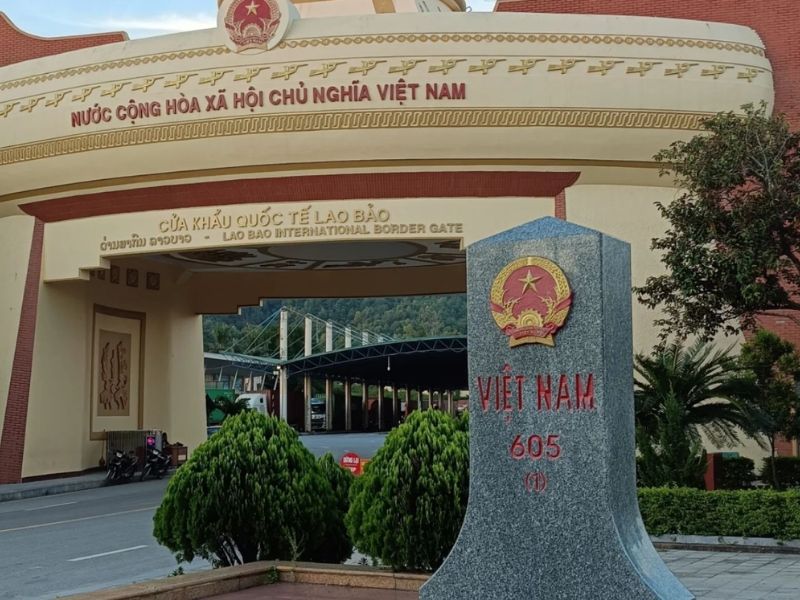
1. The Strategic Position of Lao Bao International Border Gate
Lao Bao International Border Gate serves as Vietnam’s primary overland gateway directly linking to Savannakhet Province in Laos. In addition, it sits directly on National Highway 9, forming a central link along the East-West Economic Corridor.
Through this vital route, commercial freight moves seamlessly between Vietnam, Laos, Thailand, and Myanmar. As a result, Lao Bao handles immense volumes of agricultural commodities, consumer electronics, and construction supplies daily.
However, existing border infrastructure faces mounting congestion during peak export seasons. Therefore, developing a specialized smart logistics center resolves physical bottlenecks and unlocks immense regional economic potential.
2. Core Functional Components of the Proposed Smart Hub
The proposal outlines a comprehensive, tech-driven master plan for the Lao Bao logistics complex. The project incorporates four specialized operational sub-zones:
Automated Bonded Warehousing and CFS Facilities
The center will feature high-bay automated warehouses and dedicated Container Freight Stations (CFS). These facilities will handle import-export storage, bonded cross-docking, and cargo consolidation.
Furthermore, automated inventory systems will track cargo movements in real time. Thus, shippers can manage cross-border inventory without incurring costly customs delays.
Smart Container Yards and Transshipment Depots
Cross-border transit often requires cargo transshipment between Vietnamese and Laotian trucks. Therefore, the project includes expansive container yards equipped with modern reach stackers and gantry cranes.
These mechanical yards will speed up trailer swaps and container transfers significantly. Consequently, drivers will complete turnarounds in hours rather than waiting days at the border.
Integrated Cold Chain and Agricultural Inspection Hubs
Agricultural trade between Thailand, Laos, and Vietnam demands continuous temperature control. In response, the center will build advanced multi-temperature cold storage facilities.
Additionally, on-site quarantine and sanitary inspection stations will test perishable fruits and seafood immediately. This integrated setup preserves product freshness and prevents food waste.
Digital Administrative and Customs Clearance Center
The project integrates digital single-window administrative counters directly into the logistics park. Border agencies will deploy automated vehicle license plate scanners, electronic cargo seals, and non-intrusive container X-ray scanners.
As a result, compliant commercial vehicles will clear border gates via automated green lanes in mere minutes.
3. Driving the East-West Economic Corridor (EWEC)
The East-West Economic Corridor connects the Indian Ocean with the South China Sea. Developing a smart logistics center at Lao Bao creates powerful operational advantages along this trade artery:
-
Shortening Inland Transit Times: Upgraded logistics facilities reduce border wait times from days to hours. Therefore, transit trucks travel between Bangkok, Vientiane, and Vietnamese seaports much faster.
-
Lowering Multi-Modal Freight Costs: Efficient transshipment facilities cut container handling fees and vehicle detention costs. Consequently, regional shippers save substantial distribution expenses.
-
Connecting Landlocked Regions to Deep Seaports: The center directly links central Laos and northeastern Thailand to My Thuy Port and Cua Viet Port. Thus, landlocked producers gain cost-effective access to international maritime shipping lanes.
-
Fostering Cross-Border Industrial Clusters: Modern storage and assembly yards incentivize international companies to build factories near the border. As a result, the project generates stable local employment and boosts provincial tax revenues.
4. Green and Digital Innovation in the Proposal
Quang Tri authorities emphasize sustainable development in this landmark infrastructure proposal:
First, the logistics hub plans to utilize rooftop solar power systems across its warehouse roofs. This green energy approach cuts carbon emissions and lowers electricity operational costs.
Second, the facility will adopt paperless cloud-based management platforms. Freight forwarders will submit transit manifests, e-waybills, and gate passes entirely online before trucks arrive.
Third, water recycling plants and eco-friendly waste management systems will protect the pristine surrounding mountain environment.
Finally, high-speed telecommunication networks will connect the Lao Bao terminal directly with neighboring international seaports. This seamless digital connection creates unbroken visibility across the entire supply chain.
5. What This Development Means for Logistics Operators
For international freight forwarders and transport companies, the Lao Bao smart logistics center offers immense business opportunities:
Shippers can establish regional distribution hubs right at the border to serve three countries simultaneously. Furthermore, simplified cross-border trucking procedures will eliminate administrative friction between different national transit regulations.
In addition, reliable cold-chain and bonded facilities will attract multinational manufacturing supply chains to the Central region. Ultimately, this strategic project will elevate Central Vietnam from a simple transit point into an indispensable global logistics center.
Frequently Asked Questions
Why did Quang Tri propose a smart logistics center at Lao Bao?
Quang Tri proposed this project to relieve border congestion, modernize trade infrastructure, and maximize economic benefits along the East-West Economic Corridor.
What types of cargo pass through Lao Bao Border Gate?
Lao Bao primarily handles agricultural produce, dried foodstuffs, consumer goods, timber products, industrial machinery, and transit container freight between Thailand, Laos, and Vietnam.
How will this smart center benefit cross-border trucking?
The center will provide automated customs processing, mechanized transshipment cranes, and paperless clearances. Consequently, truck turnarounds will drop significantly, reducing transport costs for shippers.
Read more:
Professional Container Trucking from Cat Lai Port to VSIP & Song Than Industrial Parks
Cheap refrigerated shipping to China via SF!
