Table of Contents
Reliable Domestic Sea Freight from Haiphong Port to Cai Mep – Thi Vai
Northern Vietnam’s industrial corridor drives massive manufacturing output across electronics, industrial machinery, textiles, and auto components. Industrial clusters in Haiphong, Bac Ninh, Hanoi, and Hai Duong export goods globally every day.
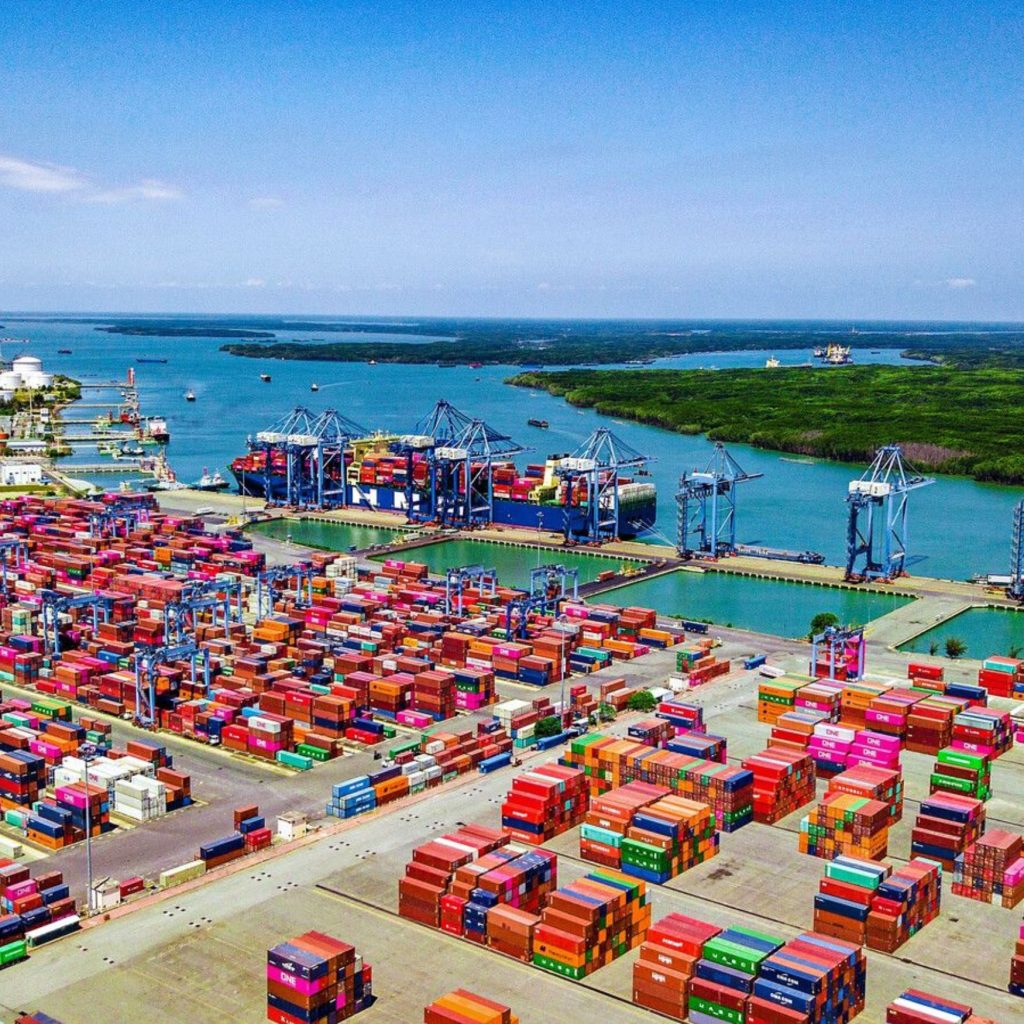
Meanwhile, Cai Mep – Thi Vai functions as Vietnam’s premier deep-water maritime gateway. The complex accommodates ultra-large container vessels (ULCVs) sailing directly to Europe and the Americas without intermediate relay stops.
Hauling export cargo across the country via highway trucks incurs substantial fuel surcharges, toll fees, and highway wear. Our dedicated service for sea freight from Haiphong to Cai Mep delivers a high-capacity, dependable, and cost-effective coastal shipping alternative.

1. Strategic Role of the Haiphong – Cai Mep Feeder Corridor
This domestic maritime lane serves two distinct, high-impact supply chain functions:
Domestic Industrial Cargo Repositioning
Industrial producers move high-volume goods, raw materials, steel, and construction fixtures between Northern production bases and Southern distribution networks. Coastal sea shipping handles these high payloads smoothly without road weight restrictions.
Direct Feeder Connections for Long-Haul Exports
Export manufacturers in the North often book transpacific or Europe-bound direct ocean services. Many of these direct mainline vessels dock exclusively at deep-water berths in Cai Mep:
-
Domestic feeder vessels collect loaded export containers directly from Haiphong terminals.
-
Containers sail down the coastline directly into Cai Mep deep-sea terminals (such as TCIT, CMIT, or Gemalink).
-
Terminals transfer the boxes straight onto mother ships, bypassing international transshipment delays in Singapore or Malaysia.
2. Sailing Schedules and Coastal Transit Times
Coastal container vessels operate on reliable, scheduled weekly sailing loops:
-
Ports of Loading (POL): Haiphong Port cluster, including Tan Vu, Nam Dinh Vu, VIP Green, Dinh Vu, and TC-HICT Lach Huyen.
-
Ports of Discharge (POD): Cai Mep – Thi Vai port cluster, including Gemalink, TCIT, TCTT, CMIT, and SSIT.
-
Port-to-Port Transit Time: 48 to 60 hours (approximately 2 to 2.5 days) under standard navigation conditions.
-
Total Door-to-Door Lead Time: Typically 4 to 5 business days, encompassing factory drayage in Northern Vietnam, port gating, coastal voyage, and final delivery in the South.
-
Sailing Frequency: 4 to 6 scheduled feeder departures per week operated by established domestic carriers (such as Hai An, VIMC, and Tan Cang Shipping).
3. Comprehensive Shipping Capabilities: Equipment & Modes

We provide versatile domestic container configurations engineered around your cargo specifications:
20ft General Purpose Containers (20’GP)
Dense, heavy commodities reach road weight limits long before exhausting cubic space:
-
Ideal for chemical raw materials, steel components, spare parts, minerals, and liquid drums.
-
Accommodates certified heavy payloads up to 26 to 28 metric tons.
-
Prevents highway axle-overload penalties through compliant 3-axle container chassis drayage.
40ft Standard & High Cube Containers (40’GP / 40’HQ)
Volumetric products require maximum internal storage capacity:
-
Offers up to 76 cubic meters of clear loading space.
-
Ideal for garment textiles, assembled consumer electronics, auto wire harnesses, plastic components, and packaging materials.
Refrigerated Containers (Reefers)
Agricultural exporters require uninterrupted cold-chain compliance:
-
Modern 20ft and 40ft reefer equipment maintains steady temperatures from -25°C to +25°C.
-
Protects frozen seafood, fresh seasonal produce, and temperature-sensitive chemicals during the coastal voyage.
4. Key Advantages: Sea Freight vs. Overland Trucking
Choosing coastal container shipping over traditional North-South highway transport provides substantial operational advantages:
| Comparison Metric | Coastal Sea Freight (HP – CM) | Overland Highway Trucking (Route 1A) |
| Freight Cost | 40% to 55% lower per ton | Significantly higher due to tolls and fuel |
| Payload Capacity | Up to 28 metric tons per 20’GP | Strictly constrained by road axle limits |
| Cargo Safety | Sealed steel box, zero highway vibration | Vulnerable to road vibration and traffic risks |
| Carbon Footprint | Low emissions per ton-kilometer | High diesel greenhouse gas emissions |
| Weather Reliability | Steady schedules, unaffected by road jams | Prone to highway construction and congestion |
5. End-to-End Operational Workflow
Our experienced operations desk coordinates every coastal movement across five disciplined stages:
Step 1: Equipment Release & Factory Stuffing
Submit your cargo dimensions and factory readiness dates to receive an all-inclusive freight quote. We position clean empty containers directly at your factory dock in Haiphong, Bac Ninh, or Hanoi.
Step 2: Haiphong Port Gate-In & e-Port Processing
The hauler gates the loaded container into the designated Haiphong terminal before the CY closing cutoff. Our field clerks process terminal handling and register electronic equipment receipts (e-EIR) via e-Port.
Step 3: Coastal Marine Voyage
The container vessel departs Haiphong harbor, navigates past the Gulf of Tonkin, and sails southward along the Vietnamese coastline. Real-time satellite telemetry provides transparent tracking updates throughout the 2-day sea transit.
Step 4: Quayside Discharging at Cai Mep
Upon arrival at Cai Mep – Thi Vai, terminal gantry cranes discharge the container into the yard stack. For international transshipment boxes, stevedores execute direct inter-terminal transfers (ITT) to the assigned mother ship berth.
Step 5: Inland Drayage to Warehouses
For domestic delivery cargo, our dedicated Southern trucking fleet collects the container from the terminal gate. Drivers haul the container directly to recipient facilities across Ba Ria – Vung Tau, Dong Nai, Binh Duong, or Ho Chi Minh City.
6. Practical Tips to Prevent Coastal Shipping Delays
Shippers can protect their production and export schedules by implementing four practical logistics habits:
First, reserve feeder space at least three to four days in advance. Vessel space tightens rapidly ahead of national holidays and peak international export cycles.
Second, verify terminal gate cut-off times (CY Cut-off) meticulously when connecting to international mother vessels. Missing the feeder connection forces containers to wait for the next sailing loop, causing missed deep-sea vessel departures.
Third, ensure internal stock transfer notes or VAT sales invoices accompany domestic shipments. Transport authorities conduct periodic roadside inspections on container trucks exiting marine terminals.
Finally, secure internal cargo tightly using strapping bands, dunnage air bags, and anti-slip mats. Proper internal lashing prevents carton shifts during seasonal marine swells along the Central coast.
Frequently Asked Questions (FAQ)
What is the transit time for sea freight from Haiphong to Cai Mep?
Port-to-port ocean transit takes between 48 and 60 hours. Total door-to-door transit typically requires 4 to 5 business days.
Can export cargo connect directly to mother vessels at Cai Mep?
Yes. Domestic feeder services deliver containers directly to deep-water quaysides in Cai Mep, allowing seamless loading onto direct ocean liners sailing to the US and Europe.
Do I pay import duties on goods shipped from Haiphong to Cai Mep?
No. Because this is a domestic coastal shipping route within Vietnam, shipments do not incur import duties or customs clearance procedures. However, valid domestic transport documentation (VAT invoices or internal transfer notes) is mandatory.
Our dedicated service for sea freight from Haiphong to Cai Mep connects Northern manufacturing hubs directly to Southern deep-water terminals with optimal cost efficiency. Contact our domestic logistics desk today to check upcoming sailing schedules, secure feeder allocations, and streamline your container transport!
Read more:
Reliable LCL Ocean Freight from USA to Cat Lai Port: Professional Consolidation Services
