Table of Contents
Reliable Sea Freight Shipping Services from Vietnam to Melbourne Port
Australia stands as one of Vietnam’s top trading partners within the Asia-Pacific region. Bilateral economic cooperation flourishes under agreements like AANZFTA and the CPTPP.
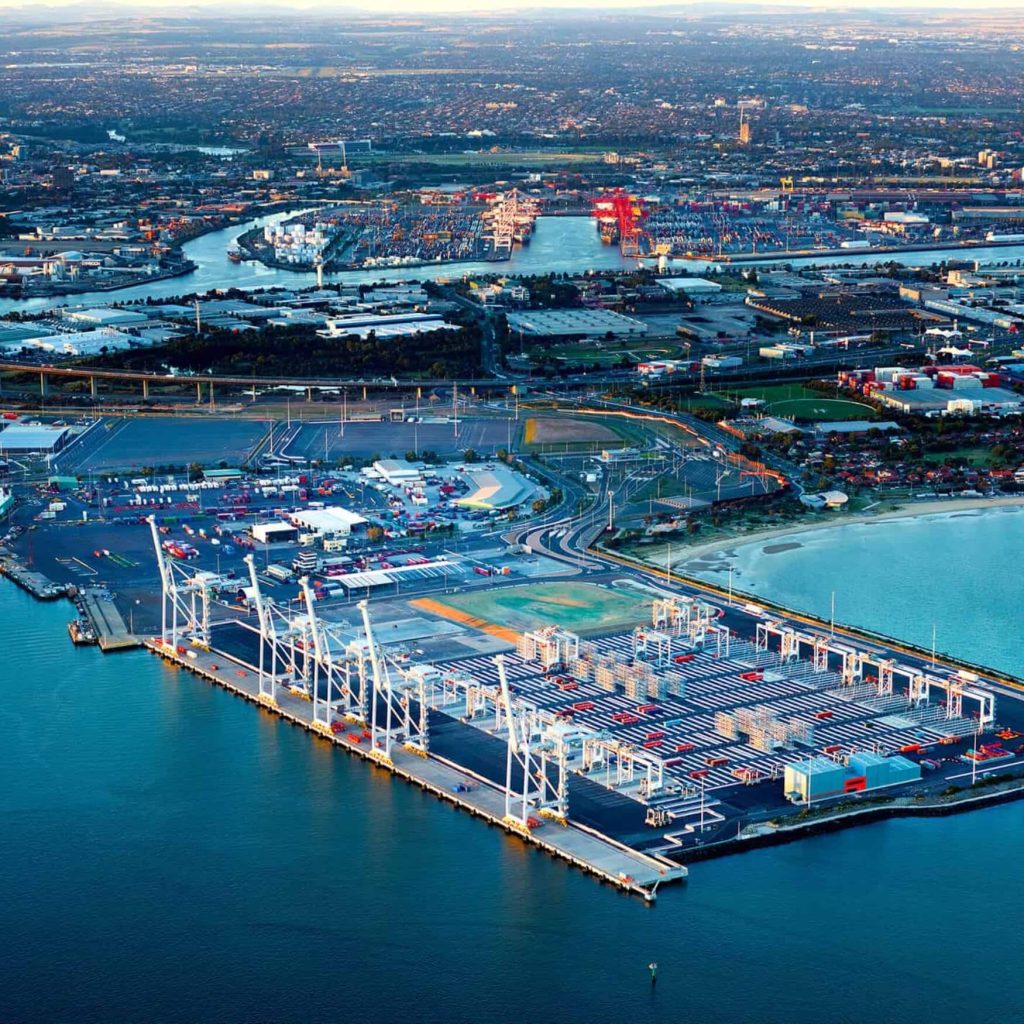
Consequently, trade volumes between Vietnamese manufacturers and Australian distributors expand every year. The Port of Melbourne serves as Australia’s busiest commercial maritime hub for containerized trade.
Managing your sea freight from Vietnam to Melbourne with a reliable logistics partner guarantees secure transit and predictable delivery. Furthermore, scheduled weekly departures ensure your goods reach Australian distribution networks on time.

1. Why Melbourne Port Is Critical for Australian Distribution
The Port of Melbourne handles over one-third of Australia’s total container trade. Specifically, several strategic features make Melbourne the preferred destination for Vietnamese exports:
-
Extensive Hinterland Access: Melbourne provides direct road and rail links to Victoria, South Australia, and southern New South Wales.
-
Modern Terminal Infrastructure: Terminals like Swanson Dock and Webb Dock accommodate modern wide-beam container vessels efficiently.
-
Key Commercial Consumer Market: Greater Melbourne represents a major consumer hub with massive demand for apparel, furniture, and processed foods.
2. Sailing Routes and Transit Times
Transit times from Vietnam to Melbourne depend on your chosen departure port and vessel routing:
Direct Express Services
Premier ocean carriers operate direct liner services connecting Southern Vietnam to Australia’s east coast:
-
Ports of Loading (POL): Ho Chi Minh City (Cat Lai / SP-ITC) or Cai Mep Deep-Water Terminal.
-
Port of Discharge (POD): Port of Melbourne (AUMEL).
-
Direct Ocean Transit: 14 to 18 days port-to-port.
-
Key Benefit: Direct sailings eliminate intermediate transshipment delays and prevent container handling damage.
Transshipment Sailing Routes
From Northern or Central Vietnam, containers generally connect via major regional transshipment hubs:
-
Ports of Loading (POL): Haiphong Port or Da Nang Port.
-
Transshipment Hubs: Singapore, Port Klang, or Tanjung Pelepas.
-
Transit Time: 20 to 25 days port-to-port.
-
Sailing Frequency: Multiple departures per week provide booking flexibility during peak export periods.
3. Comprehensive Shipping Modes: FCL vs. LCL

We offer flexible ocean freight solutions tailored to your shipment volume and cargo type:
Full Container Load (FCL)
FCL is the standard choice for medium-to-large consignments requiring dedicated equipment:
-
20ft General Purpose (20’GP): Ideal for heavy, compact commodities like ceramic tiles, canned food, and industrial hardware.
-
40ft Standard & High Cube (40’GP / 40’HQ): Optimal for high-volume, lighter freight such as wooden furniture, mattresses, and textiles.
-
Specialized Containers: We deploy refrigerated reefers for perishable agricultural items and Open-Top units for industrial project machinery.
FCL shipping minimizes damage risk because your supplier seals the container directly at the factory gate.
Less Than Container Load (LCL)
LCL consolidation suits smaller shipments ranging from 1 to 15 cubic meters (CBM):
-
Shippers deliver packaged cartons to our designated CFS warehouses in Ho Chi Minh City or Haiphong.
-
Next, our warehouse team packs diverse commercial orders securely into shared ocean containers.
-
You pay strictly for the actual cubic volume (CBM) or weight (MT) your goods occupy.
Thus, LCL allows growing enterprises to serve Australian buyers without paying for unused container space.
4. Major Commodities Shipped to Melbourne
Vietnamese exporters move a diverse range of manufactured goods and agricultural products to Australia:
-
Wooden Furniture & Home Decor: Dining sets, outdoor patio furniture, wooden cabinetry, and home decor items.
-
Textiles, Garments & Footwear: Sports apparel, workwear, fashion garments, leather footwear, and protective work boots.
-
Agricultural Staples & Spices: Cashew nuts, specialty coffee beans, black pepper, rice, and dried tropical fruits.
-
Construction & Building Materials: Ceramic tiles, architectural granite, sanitary fixtures, and structural steel components.
-
Consumer Electronics & Hardware: Electrical cables, smart home components, mechanical tools, and plastic packaging products.
5. Australia Biosecurity and Strict Regulatory Requirements
Australia enforces some of the world’s most rigorous biosecurity import regulations. To prevent customs delays at Melbourne, shippers must address three critical requirements:
Brown Marmorated Stink Bug (BMSB) Measures
Australia strictly enforces seasonal BMSB measures between September and April each year. Target high-risk goods (such as machinery, vehicles, and metal products) require mandatory heat treatment or fumigation before departure.
Our logistics team coordinates offshore chemical and thermal treatments with certified treatment providers to ensure prompt vessel entry.
Solid Wood Packaging Rules (ISPM 15)
The Department of Agriculture, Fisheries and Forestry (DAFF) inspects all timber packing materials thoroughly. All wooden pallets, crates, and dunnage must carry a legible, certified ISPM 15 stamp.
Using uncertified raw timber packaging triggers mandatory container onshore fumigation or immediate cargo re-export.
Free Trade Certificates (AANZFTA / CPTPP)
Vietnam and Australia share multiple preferential free trade frameworks. Exporters should issue a valid Certificate of Origin Form AANZFTA or CPTPP declaration.
These trade documents enable Australian importers to eliminate import tariffs completely on qualifying goods.
6. End-to-End Shipping Workflow
Our operations team manages every shipment through five structured milestones:
-
Step 1: Booking & Equipment Release: Submit cargo specifications to receive a clear, all-inclusive freight quotation and booking confirmation.
-
Step 2: Inland Drayage & Factory Loading: We position empty containers at your facility across Vietnam for secure cargo loading.
-
Step 3: Port Clearance & Export Declarations: Our customs brokers process export declarations swiftly through the electronic VNACCS system.
-
Step 4: Ocean Voyage & Milestone Tracking: The vessel sails toward Victoria, and real-time tracking monitors maritime progress across the Pacific.
-
Step 5: Melbourne Discharge & Import Delivery: Gantry cranes offload containers at Webb or Swanson Dock for customs clearance and onward warehouse delivery.
7. Practical Tips to Prevent Shipping Delays
Shippers can protect their supply chains by following four proven practical recommendations:
First, maintain total cleanliness inside every ocean container. Australian quarantine inspectors will reject containers displaying residual soil, plant material, or animal matter.
Second, obtain certified fumigation certificates well before loading target high-risk goods during the active BMSB season.
Third, ensure product descriptions and HS codes on the Certificate of Origin match the commercial invoice and ocean bill of lading.
Finally, reserve vessel space at least two weeks before cargo completion. Early booking guarantees container equipment during peak holiday manufacturing rushes.
Frequently Asked Questions (FAQ)
How long does sea freight take from Ho Chi Minh to Melbourne?
Direct ocean transit takes between 14 and 18 days. However, transshipment services via regional ports require 20 to 25 days.
What happens if wooden packaging fails biosecurity checks in Melbourne?
DAFF will order mandatory onshore treatment, container destruction, or immediate re-export at the cargo owner’s expense.
How can Australian buyers claim 0% import tariffs?
Importers present a valid Certificate of Origin (such as Form AANZFTA or CPTPP) issued by authorized Vietnamese agencies.
Our dedicated service for sea freight from Vietnam to Melbourne connects your enterprise directly to thriving Australian markets. Contact our logistics desk today to receive updated sailing schedules and secure competitive ocean freight rates for your cargo!
Read more:
CY Closing vs CFS Closing: Key Differences Every Shipper Must Know
Vận chuyển hàng đi Vân Nam – Trung Quốc
