Table of Contents
Understanding CY/CY, CFS/CFS, and Door/CY: The Essential Ocean Freight Guide
When booking international ocean transport, shipping quotes often contain shorthand operational terms like CY/CY, CFS/CFS, or Door/CY. These indicators appear directly on booking confirmations and ocean bills of lading.
However, many first-time shippers overlook these delivery markers. Consequently, misunderstandings over cargo liability, inland trucking fees, and terminal handling charges frequently occur.
Mastering CY/CY, CFS/CFS, and Door/CY definitions ensures accurate logistics cost calculations. Furthermore, selecting the right operational model prevents border disputes and keeps cross-border shipments running smoothly.
1. What Does CY/CY Mean? (Container Yard to Container Yard)
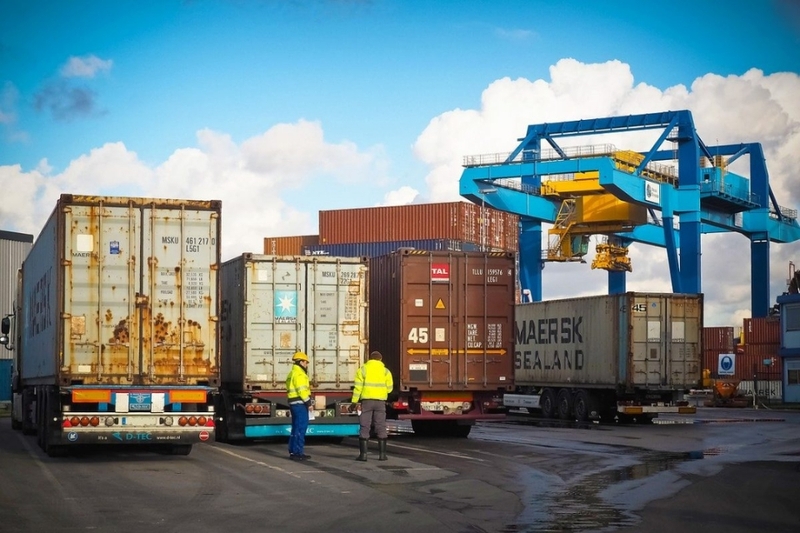
CY/CY is the most prevalent service term in global maritime container shipping. It governs standard Full Container Load (FCL) transactions from port to port:
-
Starting Point: The ocean carrier accepts the sealed container at the origin port Container Yard (CY).
-
Ending Point: The carrier’s physical transport obligation terminates once the vessel discharges the box into the destination port Container Yard.
-
Shipper Responsibilities: The exporter arranges inland trucking to the factory, packs the cargo, affixes the bolt seal, and gates the box into the departure port.
-
Consignee Responsibilities: The overseas buyer handles import customs clearance, pays local terminal charges, and arranges final drayage from the destination port to their warehouse.
Because the carrier only manages maritime terminal-to-terminal carriage, CY/CY offers the lowest ocean freight rates for high-volume commercial shippers.
2. What Does CFS/CFS Mean? (Container Freight Station to Container Freight Station)
CFS/CFS serves as the standard operational structure for Less than Container Load (LCL) consolidated shipments:
-
Starting Point: The shipper delivers loose cartons, crates, or pallets directly to the carrier’s designated Container Freight Station (CFS) at the origin port.
-
Consolidation Stage: The freight consolidator sorts, tallies, and packs cargo from multiple shippers into a shared container box.
-
Ending Point: After ocean transit, the carrier transfers the box to the destination CFS warehouse, unseals the container, and destuffs individual shipments. The consignee collects goods directly from the CFS warehouse dock.
This method allows small and medium-sized enterprises to move cargo economically without paying for empty space inside full containers.
3. What Does Door/CY Mean? (Door to Container Yard)

Door/CY represents an integrated hybrid delivery model combining inland collection with port discharge:
-
Starting Point: The carrier or freight forwarder dispatches an empty container and chassis directly to the shipper’s factory door (Door).
-
Loading & Drayage: The supplier packs the goods at their facility dock. Next, the carrier’s designated trucker hauls the loaded container directly to the departure marine terminal.
-
Ending Point: The carrier transports the container across the ocean and delivers it to the Container Yard (CY) at the destination port.
-
Final Delivery: The foreign buyer assumes control at the destination port yard and organizes final inland transportation independently.
Consequently, Door/CY suits suppliers who prefer leaving origin drayage and terminal gate-in procedures to seasoned logistics providers.
4. Comprehensive Comparison: CY/CY vs. CFS/CFS vs. Door/CY
The following table summarizes the operational boundaries, applicable load types, and liability transfers:
| Feature | CY/CY | CFS/CFS | Door/CY |
| Cargo Load Type | Full Container Load (FCL) | Less than Container Load (LCL) | Full Container Load (FCL) |
| Origin Responsibility | Origin Seaport Container Yard | Origin CFS Warehouse | Shipper’s Factory / Warehouse |
| Stuffing Location | Shipper’s private facility | Forwarder’s CFS warehouse | Shipper’s private facility |
| Destination Handover | Destination Seaport Container Yard | Destination CFS Warehouse | Destination Seaport Container Yard |
| Carrier Liability Range | Terminal-to-terminal only | CFS-to-CFS warehouse only | Factory door-to-destination port |
| Cost Focus | Basic ocean freight & terminal fees | Handling, sorting & CFS charges | Combined inland drayage & ocean freight |
5. Other Notable Delivery Term Variations
Carriers regularly offer other operational combinations to meet diverse international trade requirements:
-
CY/Door: The shipper delivers the loaded container to the origin port terminal. The ocean carrier then transports the box by sea and arranges final inland trucking to the buyer’s warehouse.
-
Door/Door: The complete turnkey model. The freight forwarder collects cargo at the supplier’s factory and delivers it straight to the buyer’s facility dock.
-
Door/CFS: The forwarder collects loose cargo from the seller’s facility, transports it to the CFS for stuffing, and discharges it at the destination CFS warehouse.
6. How to Select the Right Shipping Term
Choosing the optimal delivery model requires balancing shipment volume, labor resources, and trade contract terms:
First, evaluate total cargo volume. If your shipment measures under 15 cubic meters (CBM), choose CFS/CFS to minimize costs. Conversely, if your volume fills a 20ft or 40ft box, choose CY/CY or Door/CY.
Second, align your shipping terms with designated Incoterms. For example, FOB shipments often pair with CY/CY terms, while EXW transactions benefit from Door/CY or Door/Door arrangements.
Third, assess your internal logistics capabilities. If your factory lacks direct trucking accounts or terminal runners, choose Door/CY to let freight forwarders manage domestic drayage.
Finally, verify destination port terminal handling rules. Clear documentation prevents unexpected storage assessments or demurrage charges when transferring cargo across terminal boundaries.
Frequently Asked Questions (FAQ)
What is the difference between CY/CY and Door/Door?
CY/CY covers sea terminal-to-terminal carriage only. In contrast, Door/Door includes all origin and destination inland trucking, managing the cargo from factory gate to final warehouse.
Are terminal handling charges (THC) included in CY/CY freight rates?
No. Carriers usually invoice Terminal Handling Charges (THC) separately at origin and destination, in addition to basic ocean freight rates.
Who is responsible for container stuffing under CFS/CFS terms?
Under CFS/CFS terms, the freight consolidator or warehouse operator handles container stuffing and destuffing at origin and destination warehouses.
Selecting the right container delivery mode safeguards your cargo and protects your business from unexpected logistics surcharges. Contact our international ocean freight team today to secure competitive shipping rates and streamline your global supply chain!
Read more:
Does Misdeclaring Cargo Weight Incur Customs Penalties?
Những cách vận chuyển hàng từ nước ngoài về Việt Nam thông dụng nhất
