Table of Contents
VIETNAM LOGISTICS MARKET CONTINUES TO GROW
Vietnam’s logistics industry is entering a new stage of development.
The demand for cargo transportation continues to increase. Manufacturers, exporters and importers need faster and more reliable logistics solutions.
Recent logistics data also shows strong growth in cargo transportation. In the first six months of 2026, Vietnam transported an estimated 1.62 billion tonnes of goods, up 13.2% compared with the same period in 2025. Road and sea transport remained important parts of the freight network.
This growth creates opportunities for logistics companies.
At the same time, it also creates new challenges.
Businesses need better routes, better infrastructure and better control of transportation costs.

Regional Connectivity Is Becoming More Important
One of the major logistics topics in 2026 is regional connectivity.
Cargo does not move through only one location.
A shipment may start at a factory, move to a warehouse, travel by truck to a port and then continue by sea to an international destination.
If one part of this network is slow, the whole shipment can be affected.
This is why connections between production areas, warehouses, roads, ports and border gates are becoming increasingly important.
The upcoming Vietnam Logistics Forum 2026 will focus on improving logistics connections in Central Vietnam and the Central Highlands. The event is scheduled for November 6–7, with the theme of connecting highland logistics with global value chains.
Multimodal Transport Offers More Choices
Multimodal transportation is another important trend.
Instead of using only one transportation method, companies can combine different modes.
For example:
- Road: Factory to warehouse or port
- Sea: International container transportation
- Rail: Long-distance inland transportation
- Air: Urgent and high-value shipments
- Warehouse: Storage and cargo distribution
The right combination depends on the type of goods.
It also depends on delivery time and budget.
For some shipments, sea freight may be the best option.
For urgent cargo, air freight may be more suitable.
A flexible multimodal solution allows businesses to select the most suitable option for each shipment.
Logistics Costs Remain a Key Challenge
Freight charges are only one part of logistics costs.
Businesses also need to consider:
- Warehouse costs
- Port handling fees
- Container storage
- Customs procedures
- Inventory costs
- Waiting time
- Local transportation
- Documentation
Recent discussions on logistics cost optimization highlight that waiting time, storage and operational delays can also increase the total cost of moving goods.
This means businesses should look at the entire logistics process.
Reducing one transportation fee may not be enough.
The goal should be to make the whole cargo flow more efficient.
Ports Play a Bigger Role in Supply Chains
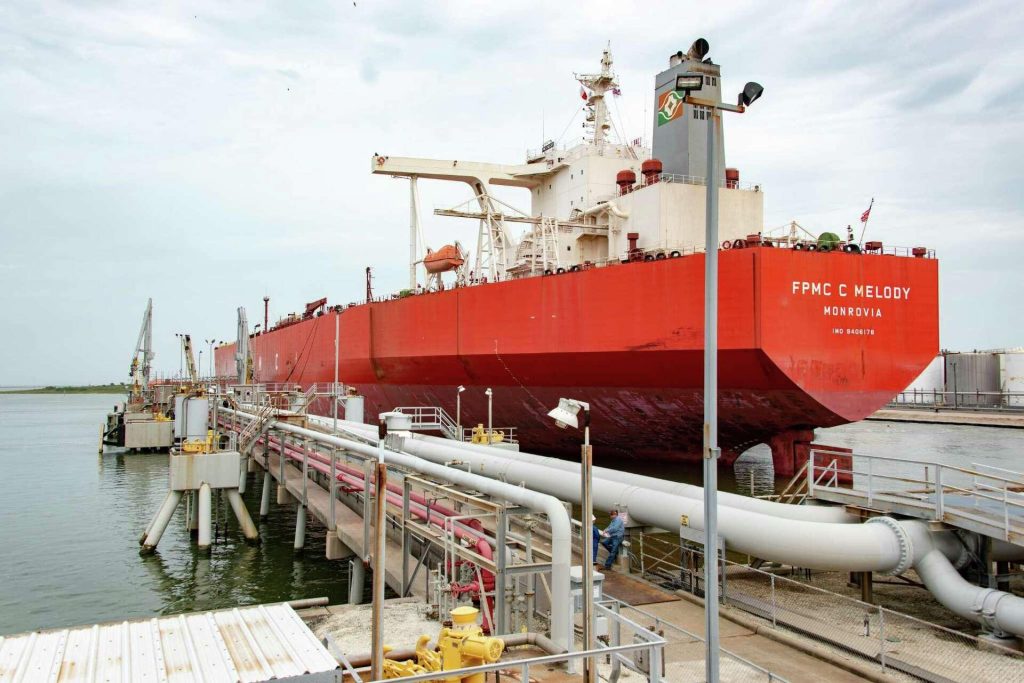
Seaports remain an important part of Vietnam’s logistics network.
They connect domestic production with international markets.
However, a competitive port needs more than good cargo-handling capacity.
It also needs strong connections with:
Factory → Warehouse → Road → Port → Container Ship → Destination
When these links work well, cargo can move more smoothly.
Investment in modern port infrastructure is also continuing.
For example, PSA International is planning a new deep-sea container terminal at Lach Huyen in Hai Phong. The project is expected to include four container berths with a combined annual capacity of about 4.5 million TEU when fully developed.
Such developments can create additional capacity for international container transportation.
Digital Technology Is Changing Logistics Operations
Technology is also changing the way logistics companies manage cargo.
Businesses can now use digital tools to monitor shipments and manage transportation.
Common solutions include:
GPS Tracking
GPS allows companies to monitor vehicles and shipment locations.
Warehouse Management Systems
WMS helps businesses control inventory and warehouse activities.
Transportation Management Systems
TMS supports route planning and transportation management.
Digital Documentation
Digital documents can reduce manual work and make information easier to share.
Real-Time Tracking
Shipment tracking gives businesses better visibility during transportation.
Digitalization is becoming particularly important as logistics networks become more complex.
Vietnamese logistics and port companies are also increasing their investment in digital ports, green transportation and other technology solutions.

International Shipping Requires Better Planning
International transportation can be affected by many factors.
Shipping schedules may change.
Ports can experience congestion.
Weather can affect vessel operations.
Transit times can also vary depending on the route and cargo volume.
For this reason, importers and exporters should not look only at the advertised freight rate.
They should also consider:
- Transit time
- Schedule reliability
- Port connections
- Handling costs
- Customs requirements
- Final delivery options
For small international shipments, express delivery can also be an alternative.
Businesses that need door-to-door delivery should consider the service coverage and delivery requirements before selecting a provider.
For more information, readers can also explore the previous International Express Delivery service article on Vinalines.
Logistics Hubs Can Improve Cargo Distribution
Another trend is the development of modern logistics hubs.
A logistics hub can combine several services in one location.
These may include:
- Warehousing
- Cargo consolidation
- Trucking
- Container handling
- Distribution
- Customs support
This model can reduce unnecessary cargo movements.
It can also help businesses manage goods more efficiently.
Modern logistics hubs are becoming increasingly important as Vietnam works to strengthen its role in regional and global supply chains.
What Should Businesses Do in 2026?
Businesses can take several practical steps to improve logistics performance.
First, review transportation routes regularly.
A route that worked well last year may not always be the best option today.
Second, compare different transportation modes.
Road, sea, rail and air freight each have different advantages.
Third, improve shipment visibility.
Tracking systems can help businesses identify delays earlier.
Fourth, control warehouse operations.
Good inventory management can reduce unnecessary storage costs.
Finally, work with reliable logistics partners.
A strong logistics partner can help coordinate transportation, documentation and delivery.
Conclusion
The Vietnam logistics industry in 2026 is becoming more connected and technology-driven.
Regional connectivity is improving.
Multimodal transportation is receiving more attention.
Digital tools are becoming common in logistics operations.
At the same time, controlling total logistics costs remains an important challenge.
For importers, exporters and manufacturers, logistics is no longer simply about moving goods.
It is about creating a reliable, flexible and efficient flow of cargo from the point of origin to the final destination.
Businesses that improve route planning, use suitable transportation modes and apply digital solutions will be better prepared for the changing logistics market.
Related Article
For a closer look at the journey of a container after it leaves a port, read Where Does a Container Go After Leaving the Port? – Vietship.
