Table of Contents
What Is VGM? Why Must Export Containers Declare Their Weight?
In international logistics, container weight is more than a simple number on a shipping document. It directly affects vessel stability, container stowage, cargo safety, and the overall efficiency of maritime transportation. This is why exporters, freight forwarders, shipping lines, and terminals need to pay close attention to VGM.
So, what is VGM? Why does an export container have to declare its weight before being loaded onto a vessel? Understanding this requirement can help businesses avoid delays, incorrect documentation, and potential safety risks during ocean freight operations.

What Is VGM in Shipping?
VGM stands for Verified Gross Mass, meaning the verified total gross mass of a packed container.
Under the International Maritime Organization (IMO)’s SOLAS requirements, the gross mass of a packed export container must be verified before the container is loaded onto a ship. The requirement entered into force on 1 July 2016 under amendments to SOLAS Chapter VI.
In simple terms, VGM represents the actual total weight of the packed container, including:
- The cargo inside the container
- Packaging materials
- Pallets and dunnage
- Securing and other packing materials
- The tare weight of the empty container
Therefore, VGM is not simply the net weight of the cargo. It represents the verified gross mass of the entire packed container.
Why Must Export Containers Declare Their Weight?
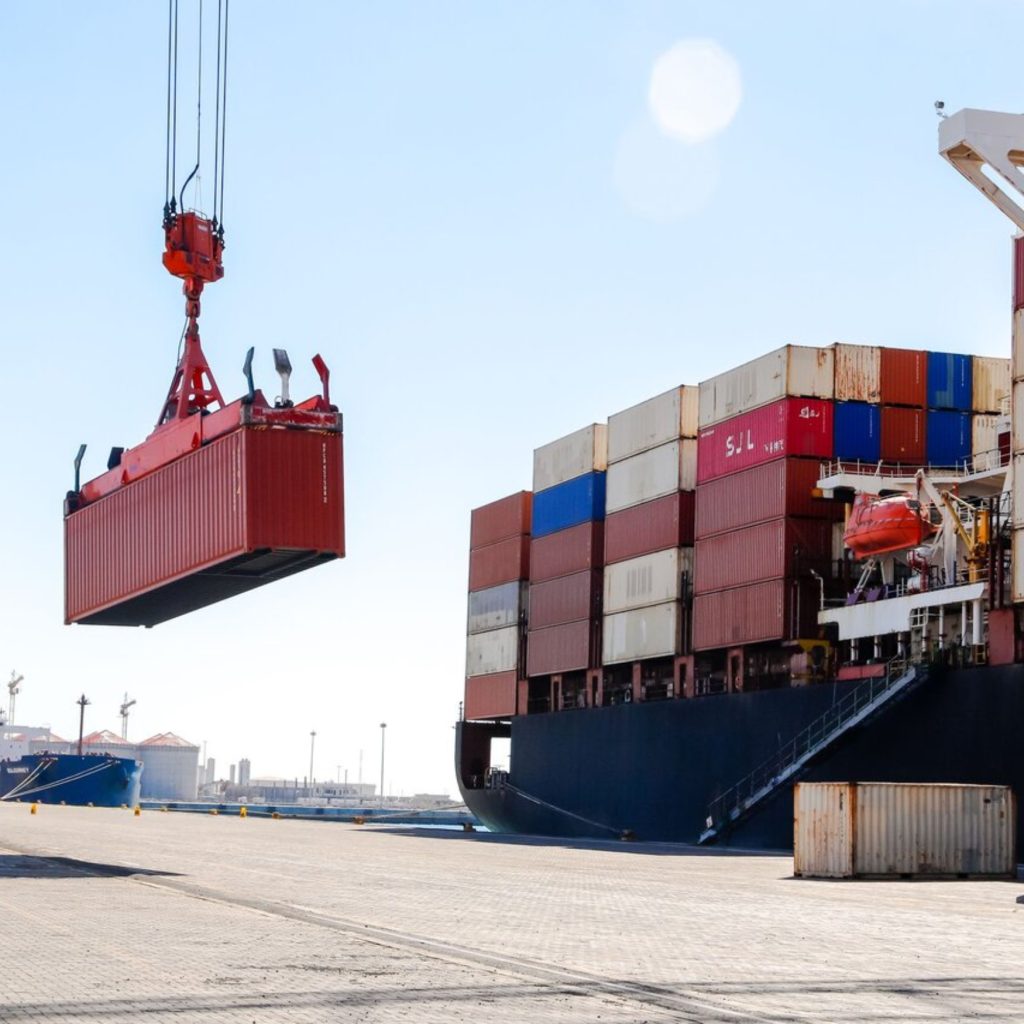
At first glance, it may seem unnecessary to verify the weight of every container because modern container ships are extremely large. However, even a relatively small weight discrepancy can become significant when thousands of containers are loaded onto the same vessel.
The main reason for VGM is maritime safety.
Accurate container weight allows the vessel operator to prepare an appropriate stowage plan. Container weight affects where a container can be placed on the ship, how containers are stacked, and how the vessel’s overall stability is maintained.
According to the IMO, incorrect declaration of container mass can contribute to incorrect stowage decisions, container stack collapse, or containers being lost overboard.
For this reason, VGM helps protect:
- Vessel stability
- Seafarers and port workers
- Cargo and containers
- Loading and unloading operations
- Port and terminal equipment
- The overall safety of maritime transportation
The IMO states that verified gross mass is a condition for loading a packed container onto a vessel subject to the SOLAS requirements.
Who Is Responsible for Providing VGM?
Under SOLAS, the shipper is responsible for obtaining and communicating the verified gross mass of the packed container.
The shipper must provide the VGM in the shipping documentation and submit it to the master or the master’s representative and the terminal representative sufficiently in advance for the information to be used when preparing the vessel’s stowage plan.
In practical logistics operations, this means the exporter or the party identified as the shipper needs to coordinate with the forwarder, carrier, or terminal to make sure the VGM is submitted before the applicable cut-off time.
This is particularly important because VGM cut-off times can vary depending on the shipping line, port, vessel, and booking. Therefore, exporters should always check the specific requirements stated in their booking confirmation or shipping instructions.
How Is VGM Calculated?
According to the IMO, there are two accepted methods for determining VGM.
Method 1: Weigh the Packed Container
The first method is to weigh the entire container after it has been completely packed and sealed.
For example:
Cargo + packaging + pallets + securing materials + container = VGM
This method provides the gross weight of the complete packed container directly.
Method 2: Add All Cargo Weights to the Container Tare Weight
The second method is to weigh all cargo items, packages, pallets, dunnage, and securing materials, then add the tare weight of the empty container.
For example:
VGM = Total cargo and packing materials + container tare weight
The IMO specifies that this calculation must use an appropriate and approved method in accordance with the requirements of the competent authority where the container is packed.
For businesses that regularly export goods, maintaining accurate packing lists and weight records can make the VGM process much easier.
What Happens If VGM Is Missing or Incorrect?
A container without the required VGM may face problems before vessel loading.
Under SOLAS, the verified gross mass must be available sufficiently in advance for use in the vessel’s stowage plan. If the required VGM has not been obtained, the packed container should not be loaded unless the master or terminal representative obtains the verified gross mass through other means.
Incorrect VGM can also create operational problems. A difference between the declared weight and the actual container weight may affect the vessel’s stowage calculations and cargo handling arrangements.
Therefore, VGM should not be treated as just another administrative document. It is an important part of the export shipping safety process.
VGM vs. Cargo Weight: What Is the Difference?
One common mistake among new exporters is confusing cargo weight with VGM.
Cargo weight generally refers to the weight of the goods themselves. VGM, on the other hand, covers the verified gross mass of the entire packed container.
For example, suppose an exporter has:
- Goods: 18,000 kg
- Pallets and packing materials: 500 kg
- Container tare weight: 2,300 kg
The VGM would be approximately:
18,000 + 500 + 2,300 = 20,800 kg
This distinction is important when preparing shipping documents and communicating weight information to the carrier or freight forwarder.

Why VGM Matters to Exporters and Freight Forwarders
For exporters, accurate VGM information can help reduce the risk of delays and discrepancies during the shipping process.
For freight forwarders, VGM is an important piece of information used when coordinating documentation, carrier requirements, and terminal operations.
For shipping lines and vessel planners, accurate container weight contributes to safer and more efficient vessel stowage.
This is why VGM connects several parts of the logistics chain—from the exporter and warehouse to the forwarder, terminal, shipping line, and vessel.
Businesses involved in international shipping should therefore establish a clear internal procedure for weighing cargo, recording container tare weight, calculating VGM, and submitting the information before the carrier’s deadline.
For readers interested in international shipping routes and practical logistics services, you can also explore Vinalines’ international sea freight article from Hai Phong to Frankfurt for another example of an international ocean freight operation.
Conclusion
VGM, or Verified Gross Mass, is the verified total weight of a packed export container. It is required under the SOLAS framework because accurate container weight is essential for safe vessel stowage and maritime transportation.
For exporters, the key point is simple: do not confuse cargo weight with VGM. VGM includes the cargo, packing and securing materials, and the container’s tare weight.
Accurate VGM helps shipping lines and terminals plan container stowage more safely, reduces the risk associated with misdeclared weights, and supports a smoother export process.
In modern logistics, even a single number—the weight of a container—can have a major impact on the safety and efficiency of an entire international supply chain.
For more practical knowledge about what happens to a container after it leaves the port, see Where Does a Container Go After Leaving the Port?.
