Table of Contents
Reliable Sea Freight Shipping from Nhava Sheva to Haiphong Port
Trade between India and Vietnam continues to reach record highs across multiple industrial sectors. Specifically, bilateral commercial exchanges thrive under dynamic multilateral trade pacts like the ASEAN–India Free Trade Area (AIFTA).
The Jawaharlal Nehru Port Trust (JNPT), commonly known as Nhava Sheva, serves as India’s premier container gateway. Located across Mumbai Harbour in Maharashtra, Nhava Sheva handles the vast majority of India’s containerized maritime exports.
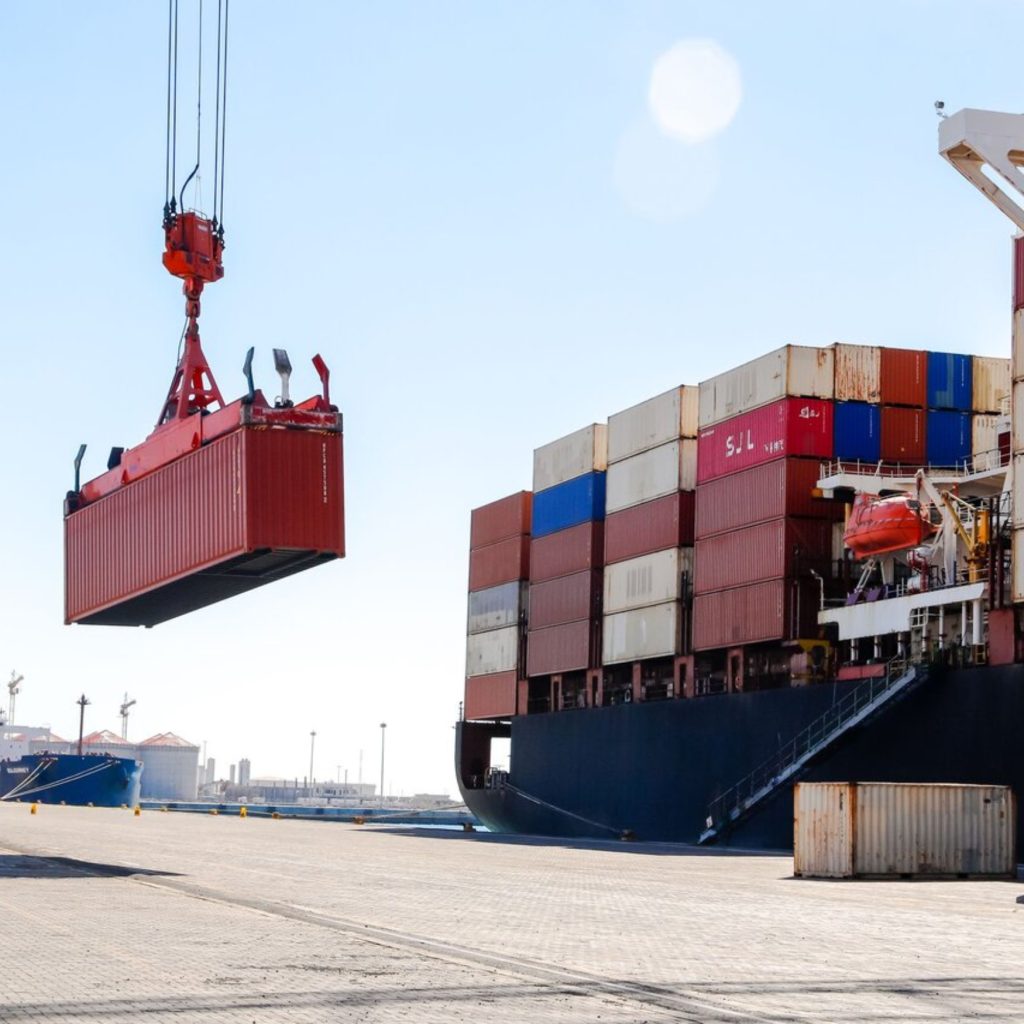
Meanwhile, Haiphong Port acts as the vital maritime engine supplying industrial corridors across Northern Vietnam. Our dedicated service for sea freight from Nhava Sheva to Haiphong provides steady vessel space, transparent pricing, and seamless cargo handling from origin berth to factory gate.

1. Strategic Importance of the Nhava Sheva – Haiphong Trade Lane
The maritime corridor connecting Western India to Northern Vietnam forms an essential industrial pipeline:
-
Hub for Western & Northern India: Nhava Sheva connects seamlessly via dedicated rail corridors (DFCC) to major manufacturing hubs in Gujarat, Maharashtra, Rajasthan, and Delhi-NCR.
-
Direct Gateway to Northern Vietnam: Haiphong marine terminals directly serve industrial clusters across Bac Ninh, Hanoi, Hai Duong, Bac Giang, and Vinh Phuc.
-
High-Volume Raw Material Sourcing: Indian suppliers provide critical inputs like organic chemicals, cotton yarn, animal feed ingredients, and raw minerals that fuel Vietnamese manufacturing plants.
Consequently, establishing a reliable ocean freight connection between these two hubs protects your production lines from raw material shortages.
2. Sailing Schedules and Transit Times
Transit times from Nhava Sheva to Haiphong depend on whether you choose direct liner loops or transshipment connections:
Direct Liner Services
Select ocean carriers operate scheduled direct loops connecting India’s west coast to Southeast Asian and East Asian ports:
-
Port of Loading (POL): Nhava Sheva / JNPT (INNSA), India.
-
Port of Discharge (POD): Haiphong Port cluster (Tan Vu, Dinh Vu, VIP Green, Nam Dinh Vu, and TC-HICT Lach Huyen).
-
Direct Transit Time: 14 to 18 days port-to-port.
-
Key Advantage: Direct routes eliminate intermediate transshipment delays and minimize container re-handling risks.
Transshipment Sailing Services
Transshipment routes connect through major regional relay hubs such as Singapore, Port Klang, or Tanjung Pelepas:
-
Transshipment Transit Time: 18 to 24 days port-to-port.
-
Departure Frequency: 3 to 5 departures weekly.
-
Key Advantage: These services provide multiple weekly sailing windows, ensuring container booking availability during month-end shipping crunches.
3. Comprehensive Shipping Modes: FCL vs. LCL

We offer versatile container transport options structured around your specific volume and commodity requirements:
Full Container Load (FCL)
FCL is the industry standard for bulk raw material movements and full factory orders:
-
20ft General Purpose (20’GP): Ideal for heavy, dense cargo such as cotton bales, steel coils, ceramic pigments, and raw minerals (up to 28 metric tons payload).
-
40ft Standard & High Cube (40’GP / 40’HQ): Optimal for high-cube, lighter shipments like fabrics, auto components, consumer packaging, and pharmaceuticals.
-
Specialized Equipment: We deploy ISO tank containers for liquid industrial chemicals and Open-Top units for oversized industrial machinery.
FCL shipping minimizes handling damage because goods remain securely sealed inside the container from Indian loading bays to Vietnamese unloading docks.
Less Than Container Load (LCL) Consolidation
For smaller commercial consignments ranging from 1 to 15 cubic meters (CBM):
-
Shippers deliver packaged cartons or pallets to our designated Container Freight Station (CFS) inside the Nhava Sheva terminal zone.
-
Our operations team consolidates diverse consignments into scheduled shared containers.
-
You pay strictly for the actual cubic volume (CBM) or weight (MT) your freight occupies.
Thus, LCL shipping enables small and medium enterprises to source supplies from India without paying for unutilized container space.
4. Key Commodities Imported from Nhava Sheva
This maritime trade lane handles a wide spectrum of essential manufacturing materials and commodities:
-
Textile Fibers & Yarns: Raw cotton, combed cotton yarn, synthetic fibers, and woven denim fabrics.
-
Organic & Inorganic Chemicals: Industrial solvent bases, dye intermediates, pigment preparations, and polymer resins.
-
Pharmaceutical Raw Materials: Active Pharmaceutical Ingredients (APIs), packaging foils, and chemical excipients.
-
Agricultural Commodities & Animal Feed: De-oiled soy cakes, groundnut meal, sesame seeds, corn meal, and whole spices (cumin, coriander, turmeric).
-
Metals & Engineering Goods: Aluminum ingots, steel pipe fittings, cast iron parts, and automotive mechanical assemblies.
5. Customs Clearance and Preferential Tariffs (Form AI)
Importing cargo from India into Vietnam requires accurate documentation to avoid customs penalties and secure tariff exemptions:
Preferential Tariff Reductions (Form AI)
Under the ASEAN–India Free Trade Area (AIFTA), qualifying commodities enjoy preferential import tariffs down to 0%.
Importers must request an official Certificate of Origin Form AI from their Indian supplier. The document must be verified and issued by authorized Indian trade agencies (such as the Export Inspection Council or DGFT).
Essential Import Documentation Checklist
To guarantee rapid customs clearance upon arrival at Haiphong Port, compile the following papers:
-
Commercial Invoice & Packing List: Detailing precise 8-digit HS codes, commercial values, net/gross weights, and unit quantities.
-
Ocean Bill of Lading (B/L): Issued as a Seaway Bill or Surrendered B/L to avoid waiting for couriered paper originals.
-
Certificate of Origin (Form AI): Duly signed, stamped, and matching all commercial invoice details.
-
Certificate of Analysis (COA) / MSDS: Mandatory for industrial chemical drums, ISO tanks, and pharmaceutical ingredients.
-
Plant Quarantine Clearance (If Applicable): Required for agricultural grains, sesame seeds, and raw timber packaging (ISPM 15).
6. End-to-End Operational Workflow
Our operations team manages every shipment across five seamless milestones:
Step 1: Booking Confirmation & Equipment Release
Submit your cargo dimensions and factory readiness dates to receive an all-inclusive freight quotation. Next, our Indian partners position clean container equipment at the supplier’s warehouse or ICD across Western India.
Step 2: Factory Stuffing & Port Gating
The supplier packs the container and completes domestic transit to the Nhava Sheva terminal. The trucker gates the sealed container into the JNPT yard before the vessel CY closing deadline.
Step 3: Indian Export Customs Clearance
Our local brokers file the shipping bill via the ICEGATE Indian customs portal. Once customs grants the Let Export Order (LEO), the terminal cranes load the container onto the scheduled container ship.
Step 4: Maritime Ocean Voyage
The vessel sails across the Indian Ocean, passes through the Malacca Strait, and navigates north toward Vietnam. Meanwhile, our automated tracking system monitors vessel coordinates and estimated arrival times continuously.
Step 5: Haiphong Discharge & Final Delivery
Upon vessel discharge in Haiphong, our field runners submit customs declarations on the VNACCS system. Then, our container chassis fleet delivers the box directly to your factory in Bac Ninh, Hanoi, or Hai Duong.
7. Practical Tips to Prevent Shipping Delays
Shippers can optimize their supply chain performance by implementing four proven logistics recommendations:
First, request a Seaway Bill or Telex Release whenever payment terms allow. Because shipping documents frequently experience courier delays between India and Vietnam, electronic release prevents terminal demurrage fees.
Second, audit product descriptions and HS codes on Form AI thoroughly. Discrepancies between the Certificate of Origin and the commercial invoice trigger immediate tariff exemption rejections by Vietnamese customs.
Third, inspect chemical compatibility and UN packaging requirements before booking. Ensure all chemical drums carry certified UN specification markings and legible hazard labels.
Finally, confirm whether your cargo requires specialized inspection or plant quarantine before vessel docking. Registering dossiers early on the National Single Window (VNSW) ensures instant cargo release upon berthing.
Frequently Asked Questions (FAQ)
What is the average ocean transit time from Nhava Sheva to Haiphong?
Direct services take between 14 and 18 days. Transshipment routes through Singapore or Port Klang require 18 to 24 days.
Which terminal in Nhava Sheva handles container traffic to Vietnam?
Terminals including JNPCT, NSICT, APMT Mumbai (GTI), and BMCT handle regional liner services connecting to Southeast Asian ports.
Can I claim 0% import duty when importing cotton yarn from India?
Yes, provided the cotton yarn meets the rules of origin under AIFTA and is accompanied by a valid, compliant Certificate of Origin Form AI.
Our dedicated service for sea freight from Nhava Sheva to Haiphong provides a reliable maritime link between India’s industrial base and Northern Vietnam’s manufacturing sector. Contact our logistics desk today to check upcoming vessel schedules, verify Form AI eligibility, and secure competitive ocean freight rates for your cargo!
Read more:
WHAT IS SHIP DRAFT IN MARITIME LOGISTICS?
Gửi hàng hóa từ Hà Nội đi Trung Quốc qua dịch vụ SF
