Table of Contents
Customs Pushes Digital Transformation in Import-Export Operations
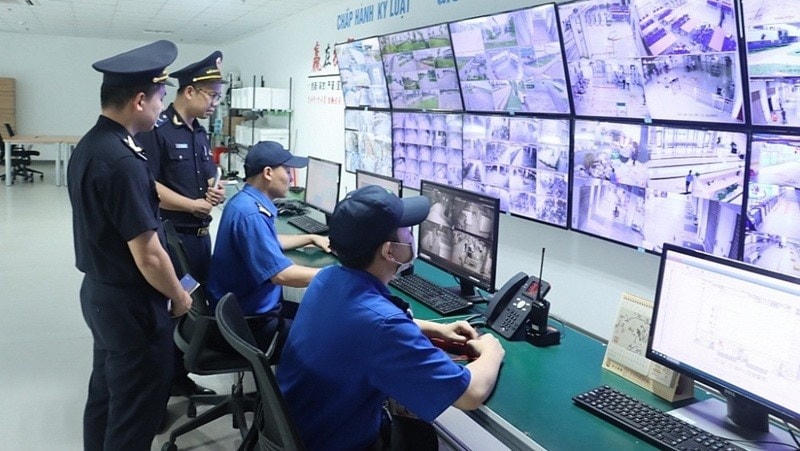
Digital transformation in customs is a strategic move to modernize state customs management. Applying IT solutions optimizes clearance workflows and cuts operational expenses for trade businesses.
Accelerating digitization empowers companies to safeguard sản phẩm (product) quality, sustain competitive giá cả (pricing), enhance kênh phân phối (distribution channel) performance, and drive momentum for xúc tiến thương mại (trade promotion) initiatives.
1.1. Key Pillars of the Customs Digital Transformation Strategy
Smart customs systems aim for automated, transparent governance while dramatically cutting processing turnaround times.
1.1.1. Automated Clearance Systems & Risk Management
-
24/7 Automated Clearance: Systems process customs declaration data automatically, reducing direct intervention from customs officials.

-
Automated Channel Routing: AI and Big Data analyze risk factors to accurately route declarations into Green, Yellow, or Red channels.
1.1.2. National Single Window & Digital Integration
-
Inter-Agency Integration: Integrates specialized line-ministry licensing procedures onto a single digital interface.
-
Digitization of Import-Export Documentation: Digitizes 100% of customs dossiers, including electronic C/O, commercial invoices, and bills of lading.
1.2. 5-Step Workflow for Digital Customs Clearance
Businesses execute clearance procedures entirely within digital environments across these steps:

Brokers prepare and transmit digitized declaration data to the automated clearance system.
The system checks data syntax, assigns declaration numbers, and determines channel routing (Green, Yellow, Red).
Importers pay duties and customs fees through 24/7 electronic banking payment gateways.
Line ministries inspect and issue specialized permits directly on the Single Window system.
The system automatically issues barcodes for traders to scan and retrieve cargo at ports or ICDs.
1.3. Business Benefits of Digital Customs Operations
Customs digitization creates substantial advantages across supply chain and logistics operations:
1.3.1. Cost Optimization & Enhanced Competitiveness
-
Reduced Clearance Time: Cuts release turnaround times from days to hours or minutes.

-
Cost Transparency: Eliminates paper friction, lowering storage, demurrage, and informal expense risks.
-
Digital Archiving: Eases paper storage burdens while enabling rapid record retrieval during post-clearance audits.
1.4. Commercial Advantages of Digital Customs Capabilities
Adopting digital customs delivers direct competitive edges for international trading enterprises:
1.4.1. Trade & Supply Chain Optimization
-
Product Quality Protection: Swift release prevents sản phẩm (product) spoilage or damage at port yards.
-
Stable Export Pricing: Reducing hidden logistics costs stabilizes product giá cả (pricing).
-
Distribution Channel Efficiency: Uninterrupted cargo flows supply every kênh phân phối (distribution channel) reliably.
-
Expanded Trade Promotion: Fast clearance opens new global xúc tiến thương mại (trade promotion) opportunities.
1.5. Conclusion
Customs digital transformation drives modern international trade. Proactively adopting digital clearance safeguards your sản phẩm (products), maintains competitive giá cả (pricing), optimizes kênh phân phối (distribution channels), and boosts xúc tiến thương mại (trade promotion) effectiveness.
1.6. Related Resources
Separate Section: Frequently Asked Questions (Q&A)
Q1. What is the single biggest benefit of digital customs for businesses?
The greatest advantage is shorter clearance times and lower port storage fees.
Q2. How do importers pay customs duties electronically?
Payments are made through 24/7 electronic gateways linked directly to commercial banks.
Q3. Are physical hard-copy documents still mandatory in digital customs?
Most documents are fully electronic, except during specific Red Channel physical inspections.
Q4. Which entities connect through the National Single Window?
The platform connects Customs with relevant Ministries to process specialized permits.
Q5. Does Vietship provide turnkey digital customs brokerage?
Yes. We offer electronic filing, HS code classification, and rapid clearance solutions.
