
Table of Contents
Da Nang Plans 15 Multimodal Integrated Logistics Centers Spanning Over 930 Hectares
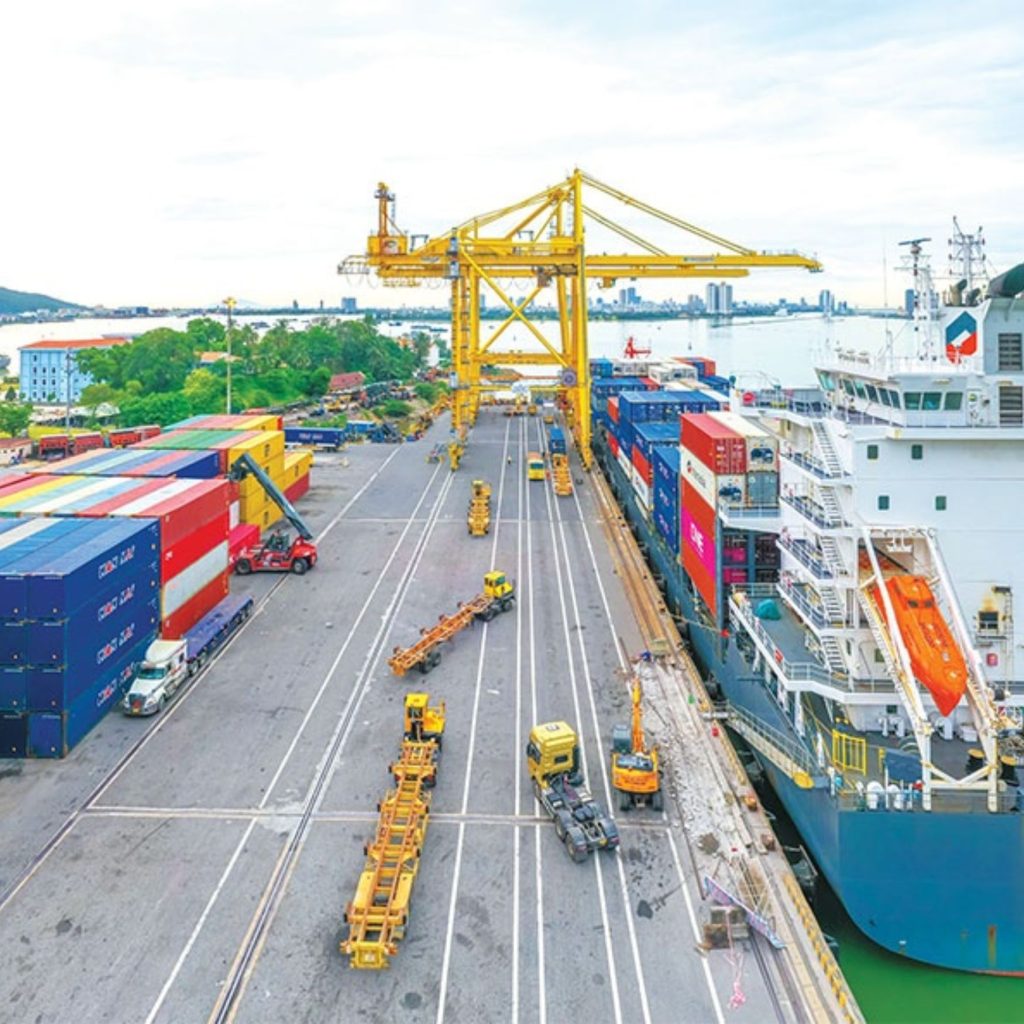
Da Nang stands at the geographic center of Vietnam and serves as the coastal gateway for the East-West Economic Corridor. As global supply chains reorganize, modernizing regional freight networks becomes essential for regional trade efficiency.
To maximize its strategic location, the Da Nang People’s Committee hosted a major consultation workshop on the master project to establish multimodal integrated logistics centers in Da Nang.
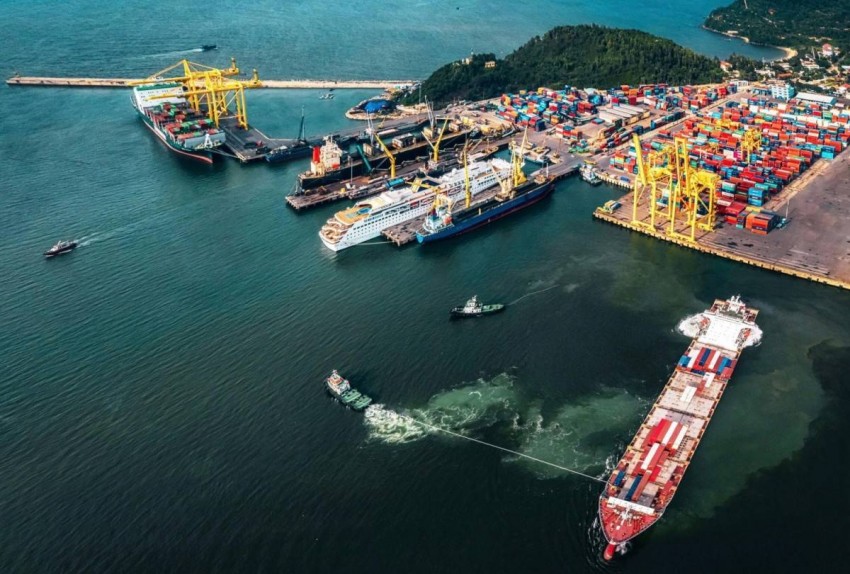
Supported by comprehensive research from the Vietnam Logistics Research and Development Institute (VLI/VLA), this landmark blueprint proposes a synchronized network of 15 logistics hubs covering over 930 hectares. Furthermore, the strategy transforms Da Nang into Central Vietnam’s premier maritime, aviation, and cross-border supply chain hub.

1. Strategic Foundations and Cargo Volume Projections
Following administrative expansion and regional economic integration, Da Nang boasts a population of 3.07 million and a Gross Regional Domestic Product (GRDP) reaching 316.1 trillion VND. Crucially, the city integrates all five transport modes—ocean, air, road, rail, and inland waterway—anchored by 3 seaports and 2 international airports.
Industrial freight demand across the region is expanding rapidly:
-
Industrial Output: Local industrial parks generated 45.2 million metric tons of cargo, led by electronics and components (37%), textiles and garments (30%), and automotive parts (17%).
-
Container Potential: Total container volume is projected at 7.02 million TEUs annually, combining local Da Nang freight (52.4%) with transit cargo from Hue, Quang Tri, and Quang Ngai (47.6%), alongside cross-border flows from Laos and Northeast Thailand.
-
Throughput Growth: Freight moving through the Da Nang – Chu Lai corridor is projected to climb from 18.53 – 22.07 million tons per quarter to 23.47 – 27.60 million tons per quarter by 2035.
-
Cross-Border E-Commerce: Cross-border e-commerce air and road cargo is forecast to surge nearly eightfold, jumping from 14,000 tons to 113,000 tons over the same period.
By 2030, Da Nang aims for the logistics sector to contribute 11% to 12% of municipal GRDP while reducing regional logistics costs down to roughly 13% of GRDP.
2. Architecture of the 15-Center Multimodal Network
The master plan proposes developing 15 integrated logistics centers totaling 930.43 hectares through 2050. During the immediate 2026–2030 phase, authorities prioritize building 362.43 hectares across 9 strategic locations.
The network is organized around a structured “Two Dynamic Clusters and One Inter-Cluster Relay Node” architecture:
Northern Cluster: Lien Chieu Port – Da Nang Airport
This maritime and urban gateway focuses on deep-sea trade, free trade zones, and high-tech manufacturing:
-
Lien Chieu – Kim Lien Station Logistics Center (175 ha): Acts as the flagship seaport gateway directly connected to the 1,881-hectare Da Nang Free Trade Zone (FTZ).
-
Hoa Nhon – Ba Na Inland Container Depot / ICD (75 ha): Provides inland customs clearance, container staging, and highway consolidation.
-
Da Nang International Airport Logistics Center (40 ha): Handles high-value air express, perishables, and cross-border e-commerce parcels.
-
Specialized Satellites: Located across Hoa Vang, Da Nang Hi-Tech Park, Hoa Phuoc, Hoa Tien, and the Nam Giang – La Dee international border gates.
Southern Cluster: Chu Lai Airport – Ky Ha / Chu Lai Port
Anchored by industrial synergy between Da Nang and the Chu Lai – Dung Quat economic corridor, this cluster focuses on heavy industry and air cargo:
-
Chu Lai National Logistics Center (225 ha): Functions as a mega-hub for automotive assembly parts, heavy machinery, and regional industrial distribution.
-
Chu Lai Airport Logistics Center (30 ha): Engineered as Central Vietnam’s dedicated regional air cargo hub with expansive freighter aprons and cold storage.
-
Supporting Satellites: Positioned across Thang Binh, Tam Thang – Tam Ky Industrial Park, and Quang Phu.
Inter-Cluster Relay Node: Dien Ban Tay (40 ha)
Situated centrally between the Northern and Southern clusters, the Dien Ban Tay Light-Industry Logistics Center (40 ha) coordinates two-way freight flows and provides long-term expansion capacity.
3. Phased Capital Mobilization and Digital “Control Tower”
Executing this comprehensive blueprint requires estimated total capital ranging from 53,964 billion to 72,830 billion VND through 2050:
Volume-Triggered Investment Phasing
To prevent idle infrastructure, planners recommend phased construction tied strictly to verified cargo volume triggers. Public budget funds will finance shared connective infrastructure—such as access highways to Lien Chieu Port and the 1.5-kilometer rail spur into Kim Lien Station—while private capital and Public-Private Partnerships (PPPs) fund commercial warehousing.
Shared Digital Logistics Platform (Control Tower)
Da Nang will deploy a unified digital Logistics Control Tower. This platform connects customs authorities, maritime terminal operating systems, airport cargo terminals, and freight forwarders in real time, streamlining paperless clearance and eliminating empty truck runs.
4. Strengthening the Vietnam – Laos – China Multimodal Corridor
During the consultation workshop, logistics experts emphasized expanding cross-border transport corridors:
By integrating cross-border road networks through Nam Giang and Lao Bao border gates directly with the Laos – China Railway, Da Nang offers landlocked Laos, Northeast Thailand, and Southwest China rapid maritime access to the Pacific Ocean.
Furthermore, specialized policy mechanisms—including the Da Nang Free Trade Zone and International Financial Center frameworks—enable the city to attract anchor ocean carriers, global air freighters, and tier-one 3PL/4PL operators.
Frequently Asked Questions (FAQ)
How many logistics centers are proposed in Da Nang’s multimodal master plan?
The master plan proposes a network of 15 multimodal integrated logistics centers covering 930.43 hectares through 2050, with 9 priority sites (362.43 hectares) scheduled for development between 2026 and 2030.
What are the two primary logistics clusters in Da Nang?
The network is anchored by the Northern Cluster (centered around Lien Chieu Seaport, the 1,881-ha Free Trade Zone, and Da Nang Airport) and the Southern Cluster (centered around Chu Lai Port and Chu Lai Air Cargo Hub), linked by the Dien Ban Tay relay node.
How much capital is estimated to build Da Nang’s integrated logistics network?
Total investment capital is estimated between 53,964 billion and 72,830 billion VND through 2050, combining state infrastructure budgets with private and Public-Private Partnership (PPP) investments.
Developing multimodal integrated logistics centers in Da Nang unlocks seamless sea-air-rail-road connectivity across Central Vietnam and the East-West Economic Corridor. Contact our regional logistics desk today to explore Central Vietnam freight forwarding, Lien Chieu and Tien Sa port clearance, and cross-border transit solutions!
Read more:
Reliable Sea Freight Shipping from Australia to Vietnam: The Complete Logistics Guide
Xin giấy chứng nhận xuất xứ (C/O) hàng xuất khẩu
