Table of Contents
Reliable Sea Freight Shipping from Australia to Vietnam: The Complete Logistics Guide
Australia and Vietnam share one of the fastest-growing bilateral trade partnerships in the Asia-Pacific region. Supported by comprehensive free trade agreements, maritime trade volumes between Australian ports and Vietnamese gateways continue to surge.
Vietnam imports vast quantities of Australian raw commodities, premium agricultural goods, dairy products, beef, and industrial minerals annually. Because of the long maritime distance across the Southern Ocean and the South China Sea, ocean freight serves as the backbone of this trade lane.
Our dedicated service for sea freight from Australia to Vietnam delivers dependable sailing schedules, specialized cold-chain capabilities, and seamless customs clearance. Furthermore, our operations team ensures your cargo moves smoothly from Australian factories and farms straight to Vietnamese distribution hubs.
1. Key Maritime Ports and Ocean Transit Times
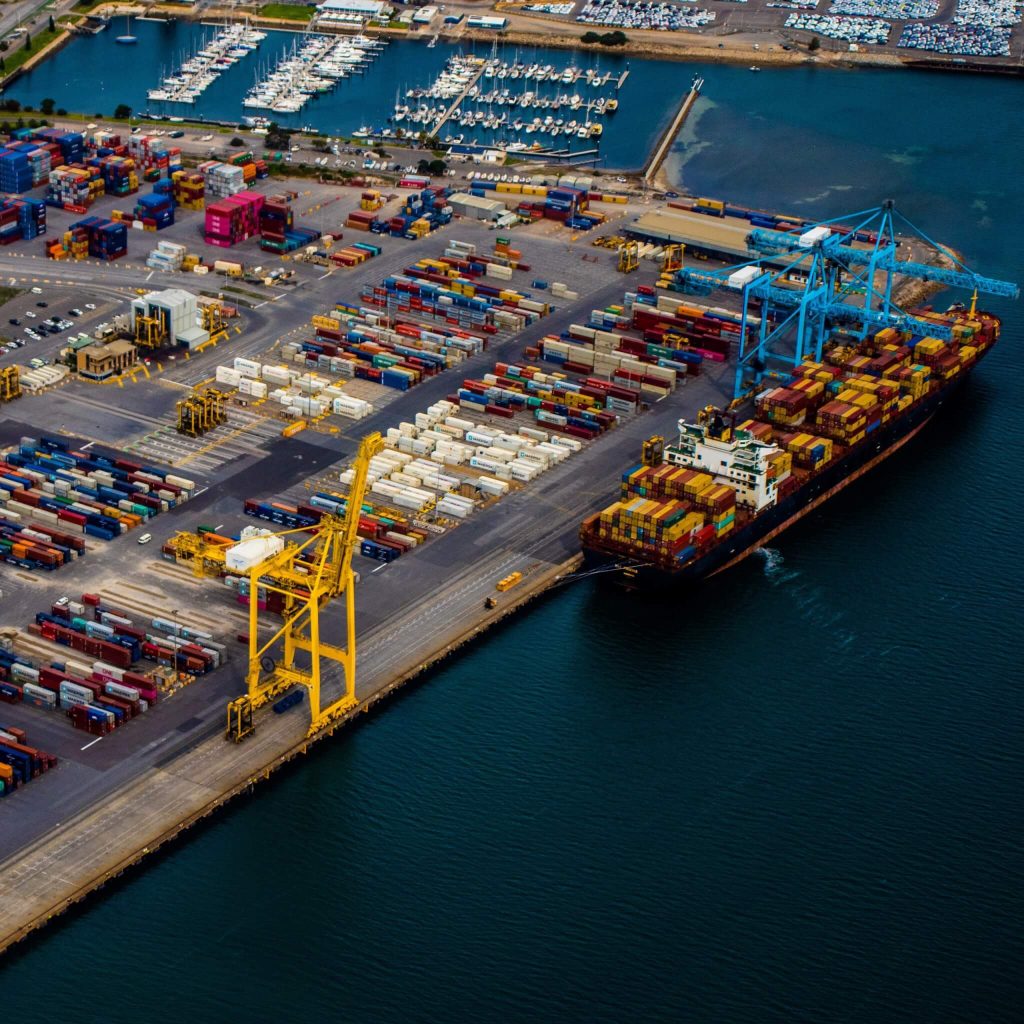
Direct and transshipment liner services connect all major Australian commercial coastlines with Vietnam’s primary seaports:
Major Ports of Loading (POL) in Australia
-
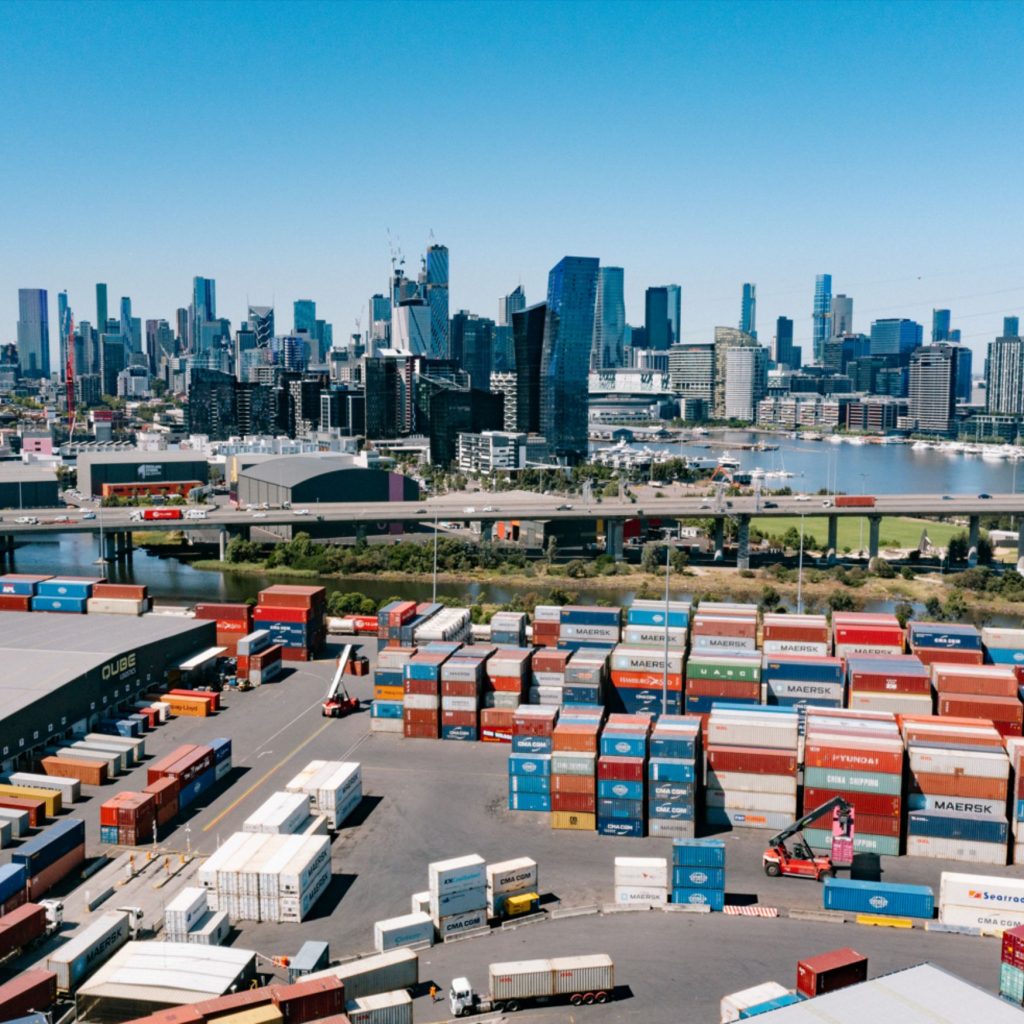
Port of Melbourne (AUMEL): Australia’s largest container port, servicing Victoria’s dairy, grain, wine, and manufacturing sectors.
-
Port Botany / Sydney (AUSYD): The primary maritime gateway for New South Wales, handling diverse consumer goods, pharmaceuticals, and industrial equipment.
-
Port of Brisbane (AUBNE): Strategic Queensland hub serving beef exporters, agricultural growers, and mining suppliers.
-
Port of Fremantle / Perth (AUFRE): Western Australia’s premier gateway, offering the shortest sailing distances to Southeast Asia for wheat, minerals, and seafood.
Major Ports of Discharge (POD) in Vietnam
-
Southern Gateway: Cat Lai Port (Ho Chi Minh City) and Cai Mep – Thi Vai deep-water terminals.
-
Northern Gateway: Haiphong Port cluster (Nam Dinh Vu, Tan Vu, VIP Green, and Lach Huyen terminals).
-
Central Gateway: Da Nang Port (Tien Sa Terminal) and Quy Nhon Port.
Average Port-to-Port Transit Durations
-
Fremantle to Cat Lai / Cai Mep: 10 to 14 days via direct services.
-
Sydney / Melbourne / Brisbane to Cat Lai: 14 to 20 days via direct or Singapore/Port Klang transshipment loops.
-
Australian East Coast to Haiphong Port: 18 to 24 days via regional feeder connections.
2. Comprehensive Shipping Modes: FCL, LCL, and Reefer
We tailor container configurations to protect your specific cargo characteristics and match your shipment volumes:
Full Container Load (FCL)
FCL provides exclusive container space for commercial production batches and bulk commodities:
-
20ft General Purpose (20’GP): Ideal for dense, heavy cargo such as wheat grains, malt, scrap metals, wool bales, and industrial minerals (up to 28-ton payloads).
-
40ft Standard & High Cube (40’GP / 40’HQ): Optimal for lighter, volumetric goods including packaged foods, wine cartons, timber, and consumer retail products.
Refrigerated Containers (Reefers)
Australia is a premier global supplier of chilled and frozen agricultural exports:
-
Our 20ft and 40ft reefer containers maintain exact temperatures ranging from -30°C to +30°C.
-
Advanced humidity and fresh-air ventilation controls protect chilled Australian beef, fresh stone fruits, dairy products, and live or frozen seafood throughout the voyage.
Less Than Container Load (LCL) Consolidation
LCL consolidation serves smaller commercial shipments measuring between 1 and 15 cubic meters (CBM):
-
Australian suppliers deliver palletized cargo to our designated Container Freight Stations (CFS) in Sydney, Melbourne, or Brisbane.
-
We consolidate multiple commercial orders into scheduled weekly shared containers, allowing you to pay strictly per cubic meter (CBM) or metric ton (MT).
3. Major Commodities Imported from Australia into Vietnam
This vital Asia-Pacific trade corridor handles diverse agricultural, raw material, and industrial products:
-
Meat, Seafood & Dairy Products: Chilled and frozen beef, lamb, rock lobsters, abalone, milk powder, butter, and cheese.
-
Grains, Cereals & Animal Feed: Malting barley, milling wheat, oats, hay, and livestock feed ingredients.
-
Fresh Fruits & Wine: Table grapes, oranges, cherries, macadamia nuts, and bottled Australian wines.
-
Industrial Metals & Minerals: Aluminum ingots, copper cathodes, iron ore, coal, and recycled metal scrap.
-
Pharmaceuticals & Health Supplements: Packaged vitamins, honey, skincare products, and medical devices.
4. Customs Clearance and Preferential Tariffs (AANZFTA / CPTPP / RCEP)
Importing goods from Australia into Vietnam enables businesses to capture significant duty exemptions under three overlapping Free Trade Agreements:
Zero-Duty Tariff Advantages
-
AANZFTA (ASEAN–Australia–New Zealand Free Trade Area): Eliminates or slashes import duties down to 0% on over 90% of traded tariff lines using Certificate of Origin Form AANZ.
-
CPTPP (Comprehensive and Progressive Agreement for Trans-Pacific Partnership): Offers deep tariff reductions on agricultural products, wine, meat, and industrial goods via Form CPTPP origin declarations.
-
RCEP (Regional Comprehensive Economic Partnership): Provides flexible regional origin accumulation rules for manufactured goods.
Mandatory Biosecurity and Specialized Inspections
Because Australia exports substantial agricultural and food commodities, Vietnamese importers must complete strict regulatory clearances:
-
Plant Quarantine (Kiểm dịch thực vật): Mandatory for grains, fresh fruits, timber, and cotton. Requires an original Phytosanitary Certificate issued by Australia’s Department of Agriculture, Fisheries and Forestry (DAFF).
-
Animal Quarantine (Kiểm dịch động vật): Mandatory for frozen meat, dairy, and seafood, requiring an official Australian Health Certificate and prior import quarantine permits from Vietnam’s Department of Animal Health.
-
Food Safety Inspection (Kiểm tra an toàn thực phẩm): Required for processed foods, wine, and dietary supplements prior to market distribution.
5. End-to-End Operational Workflow

Our experienced logistics desk manages every shipment across five disciplined operational milestones:
Step 1: Booking & Biosecurity Screening
Submit cargo specifications and supplier details to receive an all-inclusive freight quotation. Concurrently, our compliance team verifies Australian export health certificates and registers Vietnamese import quarantine permits on the National Single Window (VNSW).
Step 2: Australian Inland Drayage & Container Stuffing
Our Australian logistics partners position clean dry or pre-cooled reefer containers at the supplier’s facility. Workers load palletized goods, verify container temperature settings, and affix high-security bolt seals.
Step 3: Australian Export Customs & Ocean Voyage
Our local brokers submit export declarations via the Australian Integrated Cargo System (ICS) and secure Export Declaration Numbers (EDN). Once cleared, the container loads onto the scheduled vessel sailing toward Vietnam.
Step 4: Vietnam Port Discharge & Quarantine Sampling
Upon arrival at Cat Lai, Cai Mep, or Haiphong Port, our field runners file electronic customs declarations via VNACCS. Simultaneously, we coordinate with quarantine officers to complete rapid physical sampling at the port inspection yard.
Step 5: Cold-Chain or Standard Delivery to Warehouses
Once customs releases the shipment, our container chassis fleet—equipped with clip-on diesel gensets for reefer cargo—collects the box from the terminal and delivers it directly to your cold storage or distribution warehouse.
6. Practical Tips to Prevent Shipping Delays
Importers can ensure smooth cargo flows and avoid costly port penalties by executing four practical logistics habits:
First, verify Australian export health and phytosanitary certificates before the vessel sails. Any discrepancy in botanical names, slaughterhouse establishment numbers, or batch codes will trigger immediate customs rejection in Vietnam.
Second, register import quarantine permits with Vietnamese ministries well ahead of cargo arrival. Applying for animal or plant quarantine approvals takes several working days and cannot be bypassed upon vessel berthing.
Third, request a Seaway Bill or Telex Release from your Australian supplier whenever payment terms allow. Electronic releases eliminate international courier delays, allowing immediate Delivery Order (e-DO) exchange.
Finally, ensure all wooden pallets and timber crating carry certified ISPM 15 fumigation stamps (IPPC markings). Strict biosecurity rules at both Australian and Vietnamese ports enforce zero tolerance for untreated wood packaging.
Frequently Asked Questions (FAQ)
What is the ocean transit time from Melbourne or Sydney to Cat Lai Port?
Port-to-port ocean transit takes between 14 and 20 days, depending on whether the vessel sails direct or transships via Singapore or Port Klang.
Which Certificate of Origin should I use for Australian imports into Vietnam?
Both Form AANZ (AANZFTA) and Form CPTPP offer 0% import duties for most Australian goods. Our customs specialists review your specific 8-digit HS code to determine which agreement yields the lowest tariff and simplest origin rules.
Can you handle refrigerated container transport with continuous power in Vietnam?
Yes. Our specialized reefer trucking fleet deploys chassis equipped with high-output clip-on gensets, maintaining uninterrupted cold-chain temperatures from Vietnamese seaports directly to your cold storage warehouse.
Our dedicated service for sea freight from Australia to Vietnam connects Australian producers directly to Vietnamese industrial and consumer markets with unmatched reliability. Contact our international ocean freight desk today to verify AANZFTA/CPTPP tariff exemptions, check upcoming sailing schedules, and secure competitive freight rates for your shipments!
Read more:
Reliable Domestic Sea Freight from Haiphong to Nha Trang: Complete Shipping Guide
Khai báo hàng tạm nhập tái xuất, quá cảnh, chuyển khẩu Việt Nam Trung Quốc
