Table of Contents
Logistics Knowledge: How Does a Logistics Network Work?
A logistics network is the system that connects suppliers, warehouses, transportation providers, ports, distribution centers, and customers. It plays an important role in moving goods efficiently from the point of origin to the final destination.
For businesses involved in domestic or international trade, understanding how a logistics network works can help improve delivery performance, control costs, and reduce operational risks.
Unlike a simple transportation route, a logistics network involves multiple locations and activities. Goods may move through several facilities before reaching the customer. Each connection needs to be planned and coordinated carefully.

What Is a Logistics Network?
A logistics network is a group of interconnected facilities, transportation routes, and logistics activities used to move and store goods.
A typical network can include:
- Suppliers and manufacturers
- Warehouses
- Distribution centers
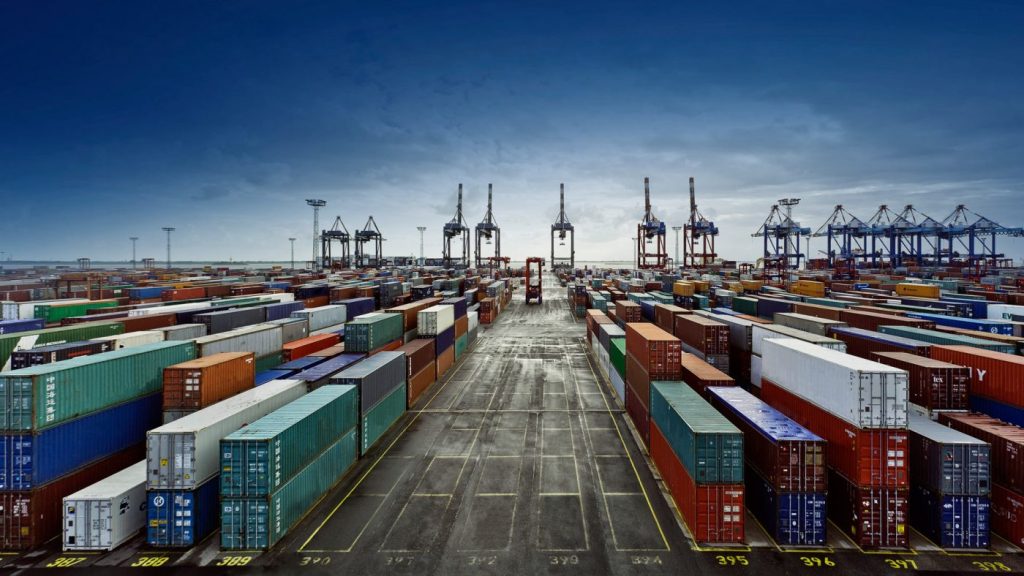
- Ports and terminals
- Trucking companies
- Rail networks
- Airports
- Shipping lines
- Freight forwarders
- Final customers
The structure of a logistics network depends on the type of business, product characteristics, customer locations, transportation options, and market requirements.
For example, an international shipment may begin at a factory, move by truck to a port, travel by container ship to another country, and then continue by truck to a distribution center before reaching the customer.
Why Is a Logistics Network Important?
A well-organized logistics network helps businesses coordinate the movement of goods across different locations.
One important benefit is better control over transportation. Businesses can determine which routes and transportation methods are suitable for different shipments.
A logistics network can also improve inventory management. Instead of keeping all products in one warehouse, businesses may use several warehouses or distribution centers closer to major customer markets.
This can reduce delivery distances and improve response times.
Another benefit is risk management. When businesses have alternative transportation routes or distribution locations, they may be able to respond more effectively to unexpected disruptions. https://vinalines.net/chuyen-phat-nhanh-quoc-te/
The Main Components of a Logistics Network
1. Suppliers and Manufacturers
The logistics network usually begins with suppliers or manufacturers.
Raw materials need to be transported to production facilities, while finished products need to move from factories to warehouses, ports, or distribution centers.
Production schedules and logistics planning should therefore be coordinated. If materials arrive late, production may be delayed. If finished products cannot be transported on time, inventory can accumulate at the factory.
2. Warehouses
Warehouses connect different stages of the supply chain.
They can be used to store products, consolidate shipments, separate large shipments into smaller orders, prepare goods for delivery, and manage inventory.
The location of a warehouse can have a significant impact on logistics performance.
A warehouse located close to customers may reduce last-mile delivery time, while a warehouse close to a port may simplify international cargo handling.
3. Transportation Routes
Transportation routes connect the different facilities within the logistics network.
Road transportation is flexible and suitable for door-to-door delivery. Rail can be useful for large volumes and long-distance transportation. Air freight is suitable for urgent shipments, while sea freight is widely used for international cargo and large volumes.
Businesses may also combine several transportation modes.
For example, a container can travel by truck from a factory to a seaport, by vessel to the destination country, and then by truck or rail to the final warehouse.
4. Ports and Terminals
Ports are important connection points in international logistics.
When a container arrives at a port, it may go through unloading, terminal handling, customs procedures, inspection, temporary storage, and onward transportation.
The efficiency of port operations can therefore influence the overall logistics schedule.
Businesses using sea freight need to consider not only the ocean transit time but also the time required for pre-carriage, port handling, customs clearance, and inland transportation.
The Role of International Express Logistics
Not every shipment needs to travel through a large sea freight network. Small, urgent, or time-sensitive shipments may use international express services.
International express logistics typically connects pickup locations, sorting facilities, airports, customs procedures, and final delivery networks.
This type of service focuses strongly on delivery speed, shipment visibility, and door-to-door transportation.
Vinalines, for example, describes international express services connecting shipments from Vietnam with destinations in many countries and offering tracking and door-to-door delivery options. For businesses interested in this logistics model, its international express service information provides a useful practical reference.
How Does Information Flow Through a Logistics Network?
Physical goods are only one part of logistics. Information must also move between different parties.
Shipment information may include:
- Cargo descriptions
- Weight and dimensions
- Pickup and delivery addresses
- Transportation schedules
- Customs documents
- Tracking information
- Delivery status
Accurate information helps logistics providers coordinate transportation and warehouse operations.
For example, if a vessel schedule changes, the trucking company may need to adjust the pickup time. The warehouse may also need to change its receiving schedule. This shows why communication is essential in logistics network management.

How Technology Supports Logistics Networks
Technology has become an important tool for managing modern logistics networks.
Transportation management systems can help businesses plan routes and monitor shipments. Warehouse management systems can support inventory control and order processing.
GPS tracking and digital shipment platforms can provide better visibility of cargo movement.
Barcode and scanning technologies can also reduce manual errors during warehouse and transportation operations.
With better data, businesses can analyze delivery performance and identify areas that need improvement.
Common Challenges in Logistics Networks
Although logistics networks provide many benefits, they can also face several challenges.
Transportation delays may occur because of traffic, weather, port congestion, or changes in transportation schedules.
High logistics costs can result from inefficient routes, unnecessary storage, fuel expenses, or repeated cargo handling.
Inventory imbalance can occur when products are stored in the wrong locations or when demand changes unexpectedly.
Communication problems between logistics partners can also cause delays and incorrect shipment information.
To address these challenges, businesses need regular planning, accurate data, reliable logistics partners, and flexible transportation solutions.
How Can Businesses Optimize a Logistics Network?
Businesses can improve their logistics networks by reviewing the entire supply chain rather than focusing on a single transportation stage.
First, companies should analyze where customers, suppliers, warehouses, and transportation hubs are located.
Second, transportation routes should be compared based on cost, distance, delivery time, and cargo requirements.
Third, inventory should be positioned strategically to avoid unnecessary movement.
Finally, businesses should use tracking and logistics data to monitor performance and identify bottlenecks.
A logistics network should also remain flexible. Customer demand, transportation costs, and market conditions can change over time, so businesses may need to adjust their logistics structure accordingly. https://vietship.net/en/where-does-a-container-go-after-leaving-the-port.html/
Conclusion
A logistics network is the foundation that connects suppliers, warehouses, transportation providers, ports, distribution centers, and customers.
Efficient logistics is not simply about moving goods quickly. It requires coordination between physical transportation, storage, information, documentation, and different logistics partners.
By understanding how these components work together, businesses can build more reliable supply chains, control costs, improve shipment visibility, and respond more effectively to customer requirements.
For sea freight operations, understanding what happens after a container leaves the port is also an important part of logistics knowledge. Businesses can learn more about this process in the related Vietship article “Where Does a Container Go After Leaving the Port?”
