Table of Contents
Logistics Knowledge: How Does the Logistics Process Work? From Warehouse to Final Delivery
Logistics plays an important role in modern business and international trade. Every product that reaches a customer usually goes through several logistics activities, from storage and transportation to customs clearance and final delivery.
For businesses, understanding the logistics process can help improve delivery performance, control costs, reduce risks, and provide better customer service. But how does a typical logistics process actually work?

What Is Logistics?
Logistics is the process of planning, managing, and controlling the movement and storage of goods, information, and related resources from the point of origin to the final destination.
A logistics operation can include many activities, such as:
- Transportation
- Warehousing
- Inventory management
- Packaging
- Order processing
- Customs clearance
- Cargo handling
- Delivery and tracking
These activities are closely connected. A delay in one stage can affect the entire supply chain.
The Main Stages of a Logistics Process
Although logistics operations vary depending on the type of cargo and transportation method, most shipments follow several basic stages.
1. Order and Cargo Information
The logistics process begins when the shipper provides information about the shipment. This may include the type of goods, quantity, weight, dimensions, packaging method, origin, destination, and delivery requirements.
Accurate information is important because it helps logistics providers select a suitable transportation solution and calculate costs correctly.
For international shipments, businesses may also need to prepare commercial invoices, packing lists, certificates of origin, and other required documents.
2. Warehousing and Cargo Preparation
Before transportation, goods may be stored temporarily in a warehouse. The cargo is checked, classified, labeled, and prepared for shipment.
Proper packaging is especially important for fragile, valuable, or long-distance shipments. Good packaging can reduce the risk of damage during loading, unloading, and transportation.
Warehouses also play an important role in inventory management. Businesses need to know how much stock is available and where each shipment is located.
3. Transportation Planning
Transportation is one of the most visible parts of logistics. Depending on the shipment, businesses may choose road, rail, sea, or air transportation.
Road transportation is flexible and suitable for short and medium distances. Rail can handle large volumes over long distances. Sea freight is commonly used for international cargo and large shipments, while air freight is suitable when speed is a priority.
The choice of transportation depends on several factors, including cargo characteristics, distance, delivery time, cost, and destination requirements.
4. Customs Clearance for International Cargo
For international shipments, customs clearance is an important step in the logistics process.
The shipper or logistics provider may need to submit documents and cargo information to customs authorities. Depending on the type of goods and destination, additional certificates or inspections may also be required.
Preparing accurate documents can help reduce delays and avoid problems during the import or export process.
For businesses handling international shipments, understanding customs procedures is therefore an important part of logistics management.

5. Cargo Transportation and Tracking
After the cargo is ready and the necessary procedures are completed, the shipment moves to its destination.
During transportation, tracking systems allow businesses and customers to monitor shipment status. Tracking information can help logistics teams identify delays and provide updates to customers.
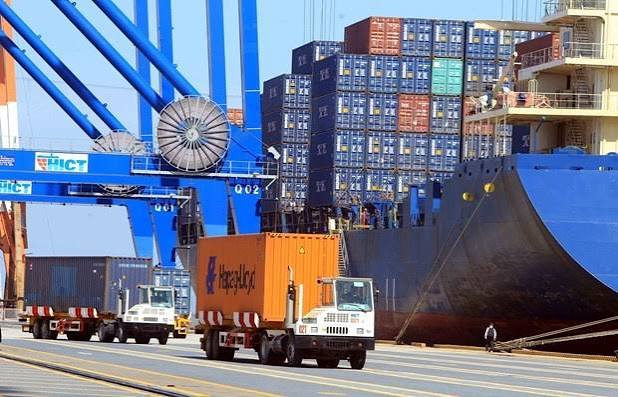
For sea freight, the journey may involve several stages. Cargo can move from a warehouse to a local port, be loaded onto a vessel, arrive at a destination port, and then continue by road or rail to the final delivery location.
For a practical example of an international sea freight route, businesses can also refer to Vinalines’ article about sea freight from Ho Chi Minh City Port to Mexico City. The article describes cargo preparation, documentation, port handling, transportation, and final delivery.
6. Destination Handling and Final Delivery
When cargo reaches the destination, it may need to go through unloading, customs procedures, temporary storage, and local transportation.
The final stage is often called last-mile delivery. This is the point where goods move from a distribution center, warehouse, or local terminal to the customer’s address.
Although last-mile delivery may represent only one part of the overall logistics process, it can have a significant impact on customer experience.
Why Is Logistics Important for Businesses?
Effective logistics management can provide several benefits for businesses.
Better cost control: Efficient transportation routes, warehouse management, and inventory planning can help reduce unnecessary expenses.
Faster delivery: Proper planning can reduce waiting time between different logistics stages.
Lower operational risks: Accurate documentation, appropriate packaging, and shipment tracking can help reduce potential problems.
Improved customer service: Customers increasingly expect accurate delivery information and reliable shipment times.
Better supply chain coordination: Logistics connects suppliers, manufacturers, warehouses, carriers, distributors, and customers.
How Can Businesses Improve Logistics Efficiency?
Businesses can improve logistics performance by focusing on several key areas.
First, shipment information should be accurate from the beginning. Incorrect weight, dimensions, addresses, or documentation can cause delays and additional costs.
Second, businesses should select transportation methods based on actual cargo requirements rather than simply choosing the fastest or cheapest option.
Third, technology can support logistics operations through tracking systems, warehouse management software, inventory tools, and digital documentation.
Finally, businesses should regularly review transportation routes, warehouse processes, delivery performance, and logistics costs. Small improvements across different stages can create significant results across the entire supply chain.

Conclusion
Logistics is more than simply moving goods from one place to another. It is a connected process involving transportation, warehousing, inventory, packaging, documentation, customs clearance, tracking, and final delivery.
A well-organized logistics process helps businesses control costs, reduce risks, improve delivery performance, and respond more effectively to customer needs.
Understanding what happens at each stage is therefore essential for businesses involved in domestic and international trade. From the warehouse to the port and from the destination terminal to the customer’s door, every step contributes to the overall efficiency of the supply chain.
For a deeper look at the journey of a container after it leaves a port, see Where Does a Container Go After Leaving the Port?.
