Table of Contents
Logistics: How Goods Move from Warehouse to Final Destination
Logistics is one of the most important parts of modern trade. Every product that reaches a customer must pass through a series of activities, from production and storage to transportation and final delivery.
For businesses, good logistics management can help control costs, reduce delays and improve the flow of goods. For international shipments, logistics becomes even more complex because cargo may travel through warehouses, ports, customs offices, shipping lines and distribution centers before reaching its destination.
This article explains the basic logistics process and the role of transportation, warehousing, ports and technology in modern supply chains.

What Is Logistics?
Logistics refers to the planning, management and control of the movement and storage of goods.
A logistics process can include:
- Transportation
- Warehousing
- Packaging
- Cargo handling
- Inventory management
- Customs procedures
- Documentation
- Distribution
These activities are connected. A delay in one stage can affect the stages that follow.
For example, if cargo is not ready when a truck arrives at the warehouse, the transportation schedule may be affected. Similarly, incomplete documents can delay cargo at a port.
For this reason, logistics is not simply about moving goods. It is about coordinating different activities so that goods reach the right place at the right time.
The Main Stages of a Logistics Process
A typical logistics journey can be described through several basic stages.
1. Production and Preparation
The process begins when goods are produced or prepared for shipment.
Depending on the type of cargo, products may need to be sorted, counted, packaged and labeled. Special goods may also require specific packaging or handling conditions.
Proper preparation helps reduce damage and makes later transportation easier.
2. Warehousing
After production, goods may be stored in a warehouse before being transported.
Warehouses can support several activities, including:
- Receiving goods
- Checking cargo
- Sorting products
- Packing orders
- Managing inventory
- Preparing shipments
For international logistics, warehouses can also act as collection points before cargo is transported to a port.
3. Inland Transportation
Once the shipment is ready, goods need to move from the warehouse or factory to the next location.
Road transportation is commonly used because trucks can provide flexible connections between factories, warehouses, distribution centers and ports.
For containerized cargo, container trucks play an important role in connecting inland locations with seaports.
The Role of Sea Freight in Logistics
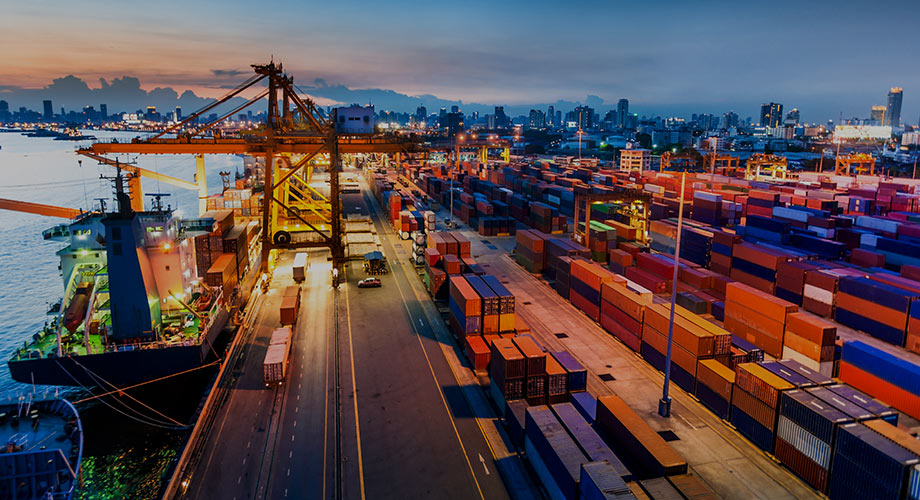
Sea freight is an important transportation method for international trade, especially when businesses need to move large quantities of goods.
Containers make international shipping easier because cargo can be transported in standardized units. A container may move from a factory to a truck, from the truck to a port and then onto a vessel without the individual goods having to be unloaded at every stage.
Businesses generally choose between FCL (Full Container Load) and LCL (Less than Container Load) depending on the volume and characteristics of their cargo.
FCL is commonly used when the shipment can fill a container or when the shipper prefers to use a dedicated container.
LCL allows different shipments to share container space. This can be useful for smaller cargo volumes.
The choice depends on cargo volume, destination, schedule, cost and other shipping requirements.

From Warehouse to Port
The connection between inland transportation and seaports is an important part of international logistics.
A typical process may look like this:
Warehouse → Truck → Port → Container Terminal → Vessel → Destination Port
Before cargo reaches the vessel, several activities may take place. These can include cargo receiving, documentation checks, customs procedures, container handling and terminal operations.
Good coordination between the warehouse, trucking company, freight forwarder and port can help reduce unnecessary waiting time.
Businesses interested in international transportation can also explore the shipping from Saigon port to Lubeck port which includes examples of international cargo transportation routes and shipping services.
What Happens After a Container Leaves the Port?
Once a container is loaded onto a vessel, the shipment begins its sea journey.
However, reaching the destination port does not mean the logistics process is finished.
At the destination, the container may need to go through several steps:
- Vessel arrival
- Container unloading
- Customs clearance
- Cargo inspection when required
- Container release
- Inland transportation
- Warehouse or distribution center
- Final delivery
The exact process depends on the destination country, type of cargo, shipping terms and required documentation.
Understanding these stages helps businesses plan their shipments more effectively.
For more information about the next stages of a container journey, you can read /professional-container-unstuffing-devanning-services-at-cat-lai-port.html/?.
Why Warehousing Matters
Warehousing is often overlooked when people think about logistics. However, it is an important part of the supply chain.
A suitable warehouse can help businesses organize inventory, prepare orders and coordinate transportation.
For example, a company may receive products from several suppliers and store them at one location. The goods can then be sorted and consolidated before being sent to different customers.
Warehousing can therefore connect production with transportation and distribution.
Logistics and Supply Chain Management
Logistics is closely connected with supply chain management, but the two terms are not exactly the same.
Logistics focuses mainly on the movement and storage of goods, while supply chain management covers a broader network that can include suppliers, manufacturers, logistics providers, distributors and customers.
For example:
Supplier → Factory → Warehouse → Transport → Port → International Shipping → Distribution Center → Customer
Logistics supports the movement between these different stages, while supply chain management looks at how the entire network works together.
The Role of Technology in Logistics
Technology is changing the way logistics operations are managed.
Tracking systems can help businesses monitor shipments during transportation. Warehouse management systems can help control inventory and cargo locations.
Transportation management systems can also support route planning and vehicle management.
In international shipping, digital documentation and data sharing can improve communication between shippers, carriers, warehouses and other logistics partners. Modern ports are also adopting automation and digital systems to improve cargo handling and operational efficiency.

How Businesses Can Improve Logistics Efficiency
Businesses can improve logistics performance by paying attention to several areas.
Choose the Right Transportation Method
The best transportation method depends on cargo type, volume, destination, budget and delivery time.
Plan Shipments Carefully
Preparing cargo and documents in advance can reduce delays during transportation.
Improve Warehouse Management
Clear inventory records and organized storage can make cargo handling faster and easier.
Coordinate with Logistics Partners
Good communication between shippers, carriers, warehouses and other partners helps prevent misunderstandings.
Track Shipments
Shipment tracking allows businesses to monitor cargo and respond more quickly when unexpected issues occur.
Conclusion
Logistics connects production, warehouses, transportation, ports and final markets.
A shipment may look simple from the outside, but many activities take place before goods reach their destination. From packaging and warehousing to trucking, customs procedures, sea freight and final delivery, each stage contributes to the overall logistics process.
As international trade continues to develop, businesses need logistics solutions that are flexible, well-organized and suitable for their cargo.
Understanding how logistics works can help businesses make better decisions about transportation, warehousing, shipping schedules and supply chain management.
Better planning, better coordination and better information can create a more efficient logistics process.
