
Table of Contents
Missing or Mismatched LCL Cargo: Complete Step-by-Step Resolution Guide
Less than Container Load (LCL) shipping provides great budget flexibility for small-to-medium consignments. Importers share container capacity with multiple independent cargo owners to lower ocean freight expenses.
However, grouping multiple consignments into a single container introduces operational risks. Human sorting errors, mislabeled cartons, or depot mix-ups frequently cause cargo shortages or mixed-up packages.
Discovering missing or mismatched LCL cargo at the destination warehouse can disrupt your business operations. Following a structured dispute and recovery process ensures prompt cargo location and protects your financial interests.

1. Common Causes of LCL Cargo Shortages and Mix-Ups
Understanding why cargo discrepancies occur helps supply chain teams identify the responsible party quickly:
-
Mislabeled Shipping Marks: Shippers often apply vague or duplicate shipping marks. Consequently, warehouse staff mix up identical-looking brown cartons during container devanning.
-
Origin CFS Tally Errors: Consolidation teams manage hundreds of packages simultaneously under tight deadlines. In haste, workers accidentally leave cartons on origin warehouse staging floors.
-
Cross-Delivery at Destination: Warehouse crews mistakenly release your packages to another trucker collecting cargo from the same shared container.
-
Transit Pilferage: Unscrupulous handlers break open poorly taped cartons during intermediate transshipment hub transfers.
2. Immediate Actions at the Container Freight Station (CFS)
What you do during cargo pickup directly determines whether your insurance claim succeeds or fails. Take these immediate operational actions:
Stop Unloading and Notify the CFS Supervisor
If you notice missing cartons or wrong package markings, stop the loading process immediately. Alert the CFS warehouse supervisor before your delivery truck exits the warehouse gates.
Once your truck leaves the port warehouse, proving that the shortage occurred inside the terminal becomes extremely difficult.
Document Visual Evidence Thoroughly
Photograph all received cartons, pallets, and shipping labels from multiple angles. Capture wide shots of the warehouse staging bay and clear close-ups of damaged or mismatched labels.
In addition, preserve all original packaging tape, plastic straps, and broken seals for physical inspection.
Endorse the Delivery Receipt and Demand a Discrepancy Record
Never sign a clean Delivery Order (D/O) or clean warehouse gate pass. Instead, write clear, specific remarks describing the exact discrepancy directly onto the warehouse release slip.
Furthermore, demand an official Cargo Damage and Shortage Report (often called a Biên bản bất thường or Tally Sheet discrepancy). Ensure the CFS warehouse supervisor signs and stamps this document on the spot.
3. The 5-Step Process to Resolve LCL Cargo Issues
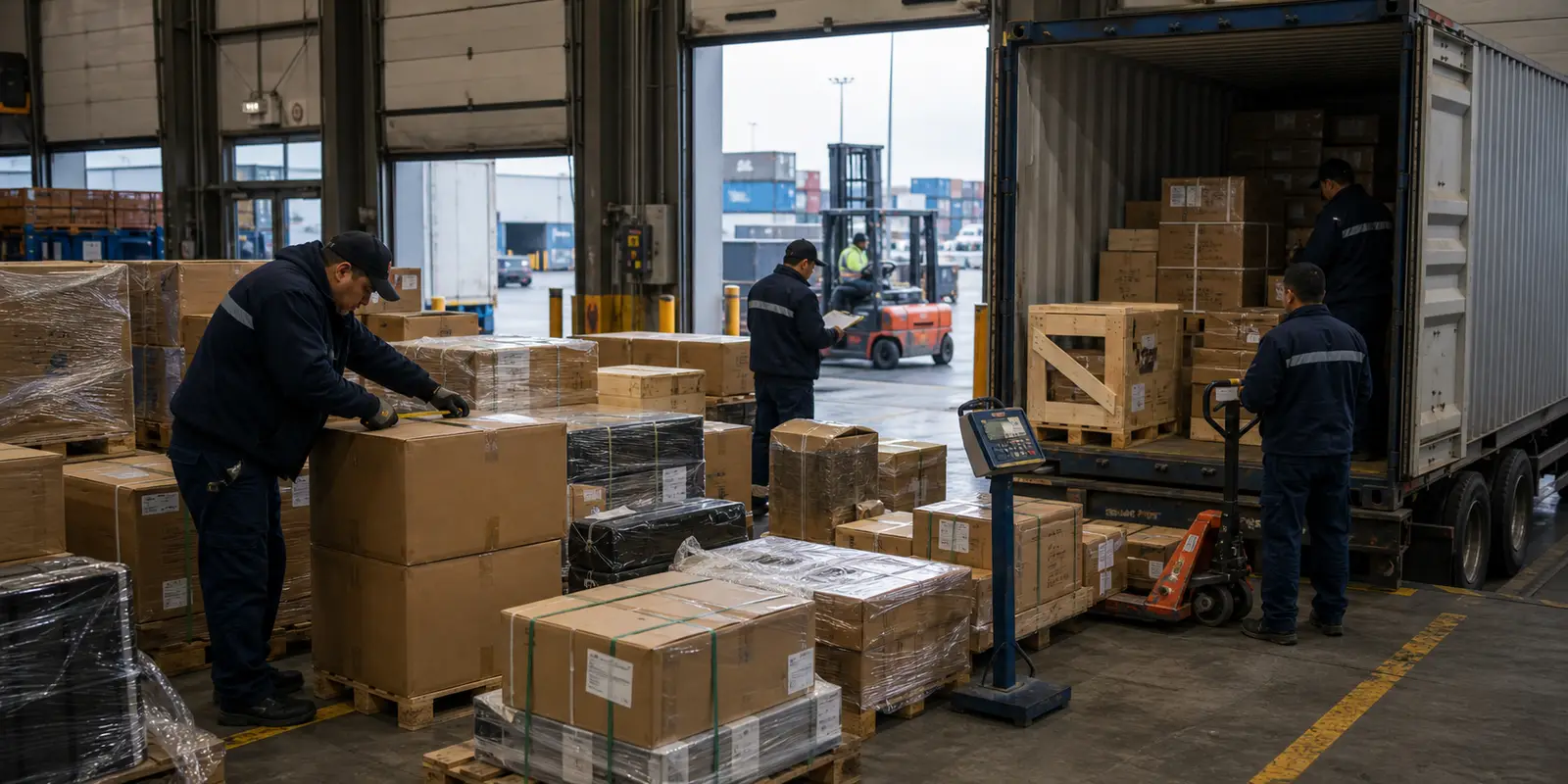
After establishing on-site documentation, follow this systematic administrative workflow:
Step 1: Issue a Formal Notice of Claim
Send an official written Notice of Claim to your freight forwarder, consolidator, and ocean carrier within three business days. State your Master and House Bill of Lading numbers, container identification, and precise shortage details.
Issuing this prompt notice halts statutory time bars under international maritime transport conventions.
Step 2: Request Origin and Destination CFS Tally Audits
Instruct your forwarder to cross-check tally records at both the origin and destination CFS terminals. Often, consolidation depots locate “leftover” cartons sitting in origin transit bays or bonded holding areas.
Concurrently, check with other consignees who shared the same consolidated container box. Many package mix-ups resolve quickly when co-loaders trade back mistakenly delivered boxes.
Step 3: Notify Customs Authorities and Amend Declarations
Import declarations must match actual received goods to prevent smuggling allegations. If packages remain permanently missing, notify customs officers before completing final duty payments.
Submit the endorsed shortage report to request an official customs declaration amendment. Consequently, you avoid paying unnecessary value-added taxes and import tariffs on undelivered goods.
Step 4: Appoint an Independent Marine Surveyor
For high-value cargo losses exceeding several thousand dollars, commission an independent marine surveying company. The licensed surveyor inspects the shipment, calculates precise financial loss, and issues a formal Survey Report.
Insurance underwriters and maritime courts rely on this certified document to assess liability objectively.
Step 5: File the Insurance and Carrier Claim
Compile your claim package and lodge it directly with your cargo insurance company or freight forwarder. The insurer reimburses your verified commercial losses and seeks subrogation recovery against the negligent carrier.
4. Essential Documentation Dossier for Claims
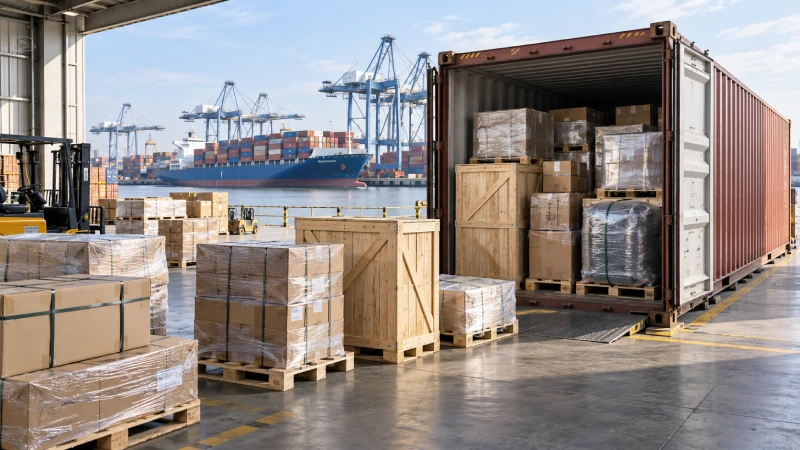
Assemble the following commercial and shipping documents to support your compensation demand:
-
House Bill of Lading (HBL) & Booking Note: Proving the legal contract of carriage and agreed carton counts.
-
Commercial Invoice & Packing List: Verifying unit prices, commercial values, and precise net/gross weights.
-
Endorsed Delivery Order & Gate Pass: Proving the physical condition and short-delivered quantity at pickup.
-
Official CFS Discrepancy Report: Demonstrating that the shortage occurred prior to truck gate-out.
-
Timestamped Photos & Video Records: Providing undeniable visual proof of package markings and carton counts.
-
Independent Survey Report: Confirming professional loss assessment for high-value claims.
5. Practical Strategies to Prevent Future LCL Discrepancies
Shippers can minimize future LCL shipment errors by enforcing strict handling protocols:
First, implement distinct, high-contrast shipping marks. Print large bold letters displaying your company name, destination port, carton numbers, and running counts (e.g., Box 1 of 50).
Second, palletize and shrink-wrap loose cartons whenever possible. Wrapping small boxes onto unified pallets with tamper-evident security tape prevents individual carton theft and misplacement.
Third, partner with reputable freight consolidators who operate automated barcode scanning systems inside CFS warehouses. Modern digital scanning eliminates manual human tally errors during destuffing.
Finally, purchase comprehensive cargo insurance (Institute Cargo Clauses A) for every commercial shipment. Marine insurance protects your working capital against unrecoverable carrier liabilities.
Frequently Asked Questions (FAQ)
What is the time limit for reporting missing LCL cargo?
Under international maritime law, consignees must notify carriers of apparent damage or loss immediately at pickup. For concealed shortages, shippers must submit written notice within three to seven days.
What is the standard compensation limit if carriers lose LCL cargo?
Under the Hague-Visby Rules, carrier liability is limited to 2 SDRs per kilogram or 666.67 SDRs per package, unless the shipper declared a higher commercial value beforehand.
Can I collect misplaced cargo if another importer took it by mistake?
Yes. Your freight forwarder coordinates with both parties and the CFS warehouse to exchange mismatched packages under customs supervision.
Handling missing or mismatched LCL cargo requires prompt on-site action, clear documentation, and strict adherence to claim deadlines. Contact our logistics support team today for you
Read more:
What to Do When Export Goods Are Assigned to the Red Channel?
Vận Chuyển Hỏa Tốc Nội Địa Quà Tết Từ Thái Nguyên
