Table of Contents
Professional Machinery Inspection Services for Imported Equipment in Vietnam
Vietnam continues to attract massive foreign direct investment into advanced manufacturing, electronics, and heavy industry. Consequently, domestic enterprises and multinational corporations import thousands of industrial production lines and machinery units every month.
However, Vietnamese authorities strictly regulate the importation of machinery, especially second-hand or used equipment. Border agencies mandate independent technical inspections to prevent outdated, energy-inefficient, and polluting technology from entering domestic production chains.
Our comprehensive machinery inspection services for imported equipment ensure complete regulatory compliance. We guide your business through technical appraisals quickly, helping your containers clear terminal gates without costly port storage penalties.

1. Why Is Machinery Inspection Mandatory for Imports?
Vietnamese customs authorities enforce strict technical barriers on imported mechanical assets. Several key regulatory goals drive these mandatory inspection protocols:
-
Enforcing Technological Standards: Regulations prevent obsolete technology from compromising domestic manufacturing competitiveness.
-
Environmental & Occupational Safety: Inspections verify that imported equipment satisfies national energy-efficiency and worker safety standards.
-
Preventing Commercial Fraud: Technical appraisals verify actual manufacturing years, model serials, and declared invoice values accurately.
2. Key Legal Framework: Prime Minister Decision 18/2019/QD-TTg
Importing used or second-hand machinery requires strict adherence to Decision 18/2019/QD-TTg. This directive defines clear technical criteria for equipment clearance:
The 10-Year Age Limit Rule
As a general rule, the machinery age must not exceed 10 years from the manufacturing date to the import arrival date.
Certain specialized sectors (such as mechanical fabrication or textile production) permit machinery up to 15 or 20 years old. However, equipment used in high-pollution fields like thermal power or paper pulp faces stricter limitations.
Manufacturing Standards Compliance
The imported machinery must follow National Technical Regulations (QCVN) or Vietnamese Standards (TCVN).
If no domestic standard applies, the machinery must comply with technical standards from G7 member nations or South Korea.
Mandatory Appraisal Certificate
Customs officers will not grant unconditional customs clearance without an official Certificate of Inspection (Chứng thư giám định). An inspection body accredited by the Ministry of Science and Technology (MOST) must issue this document.
3. Scope of Our Machinery Inspection Services
We provide complete technical appraisal solutions for both brand-new and pre-owned industrial assets:
Pre-Shipment Inspection (Overseas Inspection)
For large-scale factory relocations, our international inspection partners examine production lines before dismantling overseas.
Inspectors verify operational functionality, inspect nameplates, check safety shields, and seal equipment prior to container loading. This proactive step eliminates the risk of importing non-compliant machinery into Vietnam.
On-Site Inspection at Seaports and Warehouses
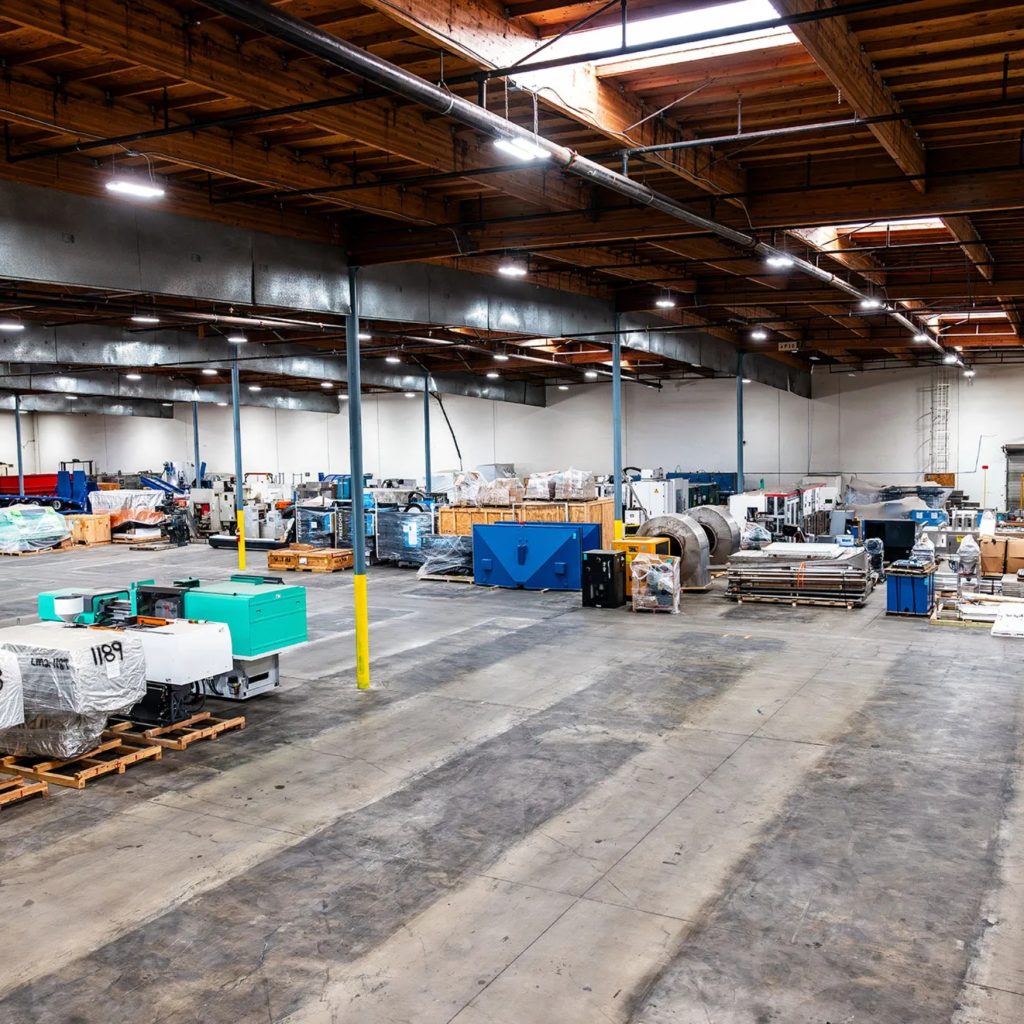
Once equipment arrives at Cat Lai, Cai Mep, or Haiphong terminals, our certified engineers conduct prompt physical inspections.
Alternatively, we assist importers with customs release permits (Đưa hàng về kho bảo quản). Consequently, inspectors examine heavy equipment directly at your factory dock, saving container storage expenses.
Synchronized Production Line Appraisals
Modern manufacturing plants frequently import entire connected production systems consisting of dozens of individual machinery units.
We assess system continuity, technological synchronization, and overall processing capacity across the entire integrated manufacturing line.
4. The 5-Step Machinery Inspection Process

Importers execute this technical workflow systematically to ensure smooth customs clearance:
Step 1: Document Pre-Audit and Dossier Preparation
We review manufacturer specifications, commercial invoices, packing lists, and original machine photos before arrival. This step confirms model numbers, manufacturing years, and appropriate HS code classifications.
Step 2: Registering for Technical Inspection
Submit the official inspection registration dossier to an accredited inspection organization. Concurrently, register the tracking file on the National Single Window (VNSW) portal when required.
Step 3: Physical Equipment Examination
Certified technical surveyors inspect the physical machinery on-site:
-
Surveyors verify physical machine nameplates, serial numbers, motor ratings, and brand markings.
-
Engineers inspect mechanical wear, gear integrity, structural rust, and hydraulic systems.
-
Specialists evaluate electrical wiring safety, emergency stop switches, and protective machine guards.
Step 4: Issuance of the Official Inspection Certificate
Following successful assessment, the inspection organization issues the formal Certificate of Inspection within 24 to 48 hours.
The certificate confirms the verified manufacturing year, operational condition, and full compliance with Decision 18/2019/QD-TTg.
Step 5: Final Customs Clearance and Equipment Commissioning
The customs broker submits the inspection certificate into the electronic VNACCS customs system. Customs officers cross-check the certificate against import declarations and grant final, unconditional cargo clearance.
5. Practical Strategies to Avoid Inspection Delays
Shippers can prevent costly border holds by adopting four practical operational safeguards:
First, inspect machine nameplates before loading containers in the exporting country. Missing, damaged, or altered serial nameplates trigger automatic customs suspicion and lengthy forensic verifications.
Second, clean and service used machinery thoroughly prior to ocean packing. Residual industrial grease, chemical sludge, or biological soil on machine frames triggers quarantine rejections.
Third, maintain original technical manuals and manufacturer catalogs. Handing detailed schematic diagrams to surveyors accelerates the physical evaluation process significantly.
Finally, request permission to move containers to your factory warehouse for inspection. Inspecting bulky machinery at your facility prevents port demurrage fees while awaiting official laboratory evaluations.
Frequently Asked Questions (FAQ)
Can I import machinery that is older than 10 years?
Yes, but only under exceptional circumstances. The enterprise must obtain formal written approval from the Ministry of Science and Technology before shipment departure.
How long does an on-site machinery inspection take?
Physical on-site surveys typically conclude within two to four hours. The accredited inspection body issues the formal certificate within one to two business days.
What happens if imported machinery fails the inspection?
If equipment fails to satisfy age limits or safety standards, customs authorities issue financial penalties and mandate forced re-export out of Vietnam.
Navigating machinery inspection services for imported equipment requires technical precision, regulatory mastery, and prompt on-site execution. Contact our technical brokerage desk today to review your machinery documentation and ensure seamless customs clearance for your upcoming industrial projects!
Read more:
Missing or Mismatched LCL Cargo: Complete Step-by-Step Resolution Guide
Dịch Vụ Vận Chuyển Thư Từ Hỏa Tốc Từ Hà Nội Đi Pháp
