
Table of Contents
REGIONAL CONNECTIVITY – EXPANDING THE LOGISTICS SPACE
In today’s increasingly connected global economy, logistics is no longer simply about transporting goods from one location to another. A modern logistics network needs to connect production areas, warehouses, transportation systems, logistics centers, seaports, and international markets.
This is why regional connectivity has become an important topic in logistics. Strong connections between different economic areas can help businesses move cargo more efficiently, improve supply chain coordination, and create better access to domestic and international markets.

What Is Regional Connectivity in Logistics?
Regional connectivity in logistics refers to the integration of different transportation and logistics infrastructure across economic regions.
A typical logistics network may connect:
Production → Warehouse → Inland Transportation → Logistics Center → Seaport → International Shipping → Destination Market
Each stage plays an important role in the overall supply chain. If one part of the network is inefficient, it can affect delivery time, transportation costs, cargo handling, and inventory management.
For example, a factory may have strong production capacity, but if it has limited access to roads, warehouses, logistics centers, or seaports, the overall cost of moving goods can still be high.
Therefore, regional logistics development should focus not only on individual infrastructure projects but also on how different logistics facilities work together.
Why Is Regional Connectivity Important?
Better regional connectivity can create a more flexible and efficient logistics network.
When roads, inland waterways, railways, warehouses, logistics centers, and seaports are connected effectively, businesses have more options for moving cargo.
For example, goods from an industrial area can be transported by truck to a logistics center, consolidated with other shipments, and then moved by barge or container truck to a seaport.
This approach can help businesses manage transportation schedules and select suitable solutions based on cargo volume, destination, delivery requirements, and cost.
For companies involved in international shipping, regional connectivity is especially important because inland transportation is closely connected with the international ocean freight process.
The Role of Logistics Centers
Logistics centers serve as important connection points within regional supply chains.
They can provide services such as cargo consolidation, warehousing, sorting, distribution, cargo handling, and transportation coordination.
For LCL shipments, logistics centers are particularly useful because goods from different customers can be collected and consolidated before being loaded into a container.
For larger FCL shipments, logistics centers can also support temporary storage, container handling, documentation, and inland transportation planning. A well-positioned logistics center can therefore help connect manufacturing zones with domestic distribution networks and international ports.
Connecting Inland Transportation With Seaports
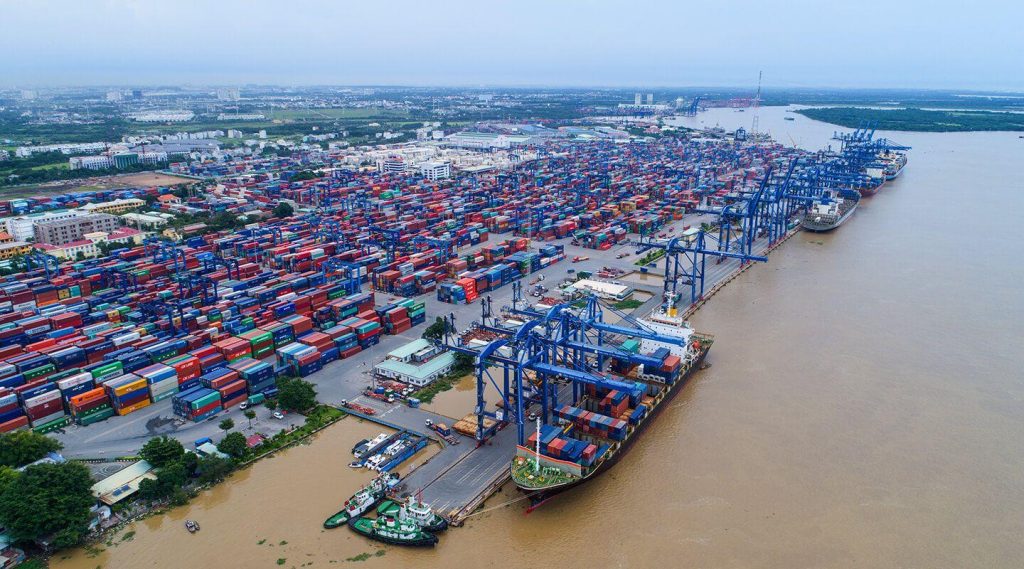
Seaports are critical gateways for international trade, but their efficiency depends heavily on inland connectivity.
A container may travel through several stages before reaching the vessel:
Factory → Truck → Logistics Center → Port Terminal → Container Vessel
After arriving at the destination port, the process continues in the opposite direction:
Destination Port → Inland Transportation → Distribution Center → Consignee
This means that international ocean freight is only one part of the complete logistics journey.
Poor road connections, congestion, limited warehouse capacity, or inefficient cargo handling can create delays even when the ocean freight service itself is operating normally.
For this reason, developing connections between seaports, industrial zones, logistics centers, and transportation corridors is essential for improving supply chain performance.

Multimodal Transportation and Regional Logistics
Regional connectivity also creates opportunities for multimodal transportation.
Instead of relying on a single mode of transport, businesses can combine road, inland waterway, rail, and sea transportation.
This type of combination can be suitable for cargo that needs to travel long distances or for shipments involving large volumes.
Road transportation remains important because trucks can provide flexible door-to-door delivery. Inland waterways can support the movement of larger cargo volumes, while ocean freight provides access to international markets.
The right combination depends on cargo characteristics, distance, transit time, cost, and delivery requirements.
Regional Connectivity Can Help Optimize Logistics Costs
Logistics costs include more than the basic transportation rate.
Businesses may also have to consider:
- Inland transportation costs
- Warehousing costs
- Cargo handling fees
- Port charges
- Container storage
- Documentation
- Customs procedures
- Waiting time
- Inventory costs
When different logistics facilities are poorly connected, additional transportation and handling can occur.
Better regional connectivity can help reduce unnecessary movement, improve cargo consolidation, and make transportation planning more efficient.
For example, instead of sending several partially loaded trucks directly to a port, shipments from nearby production areas can potentially be consolidated at a logistics center before being transported to the port.
This can be particularly useful for businesses handling multiple smaller shipments.
Digital Connectivity Is Also Important
Modern logistics is not only about physical infrastructure. Digital connectivity is becoming equally important.
Logistics companies increasingly rely on digital systems to manage shipment information, container status, transportation schedules, warehouse operations, and documentation.
Better data sharing between manufacturers, freight forwarders, trucking companies, shipping lines, ports, warehouses, and customers can improve visibility throughout the supply chain.
For example, businesses can use digital platforms to monitor cargo status and coordinate transportation schedules more effectively.
The combination of physical connectivity and digital connectivity can create a more responsive logistics network.
Regional Connectivity and International Trade
Strong regional logistics networks can support businesses engaged in international trade by creating more efficient connections between production areas and global markets.
For export businesses, the logistics journey may involve multiple stakeholders:
Manufacturer → Freight Forwarder → Trucking Company → Warehouse → Port → Shipping Line → Destination Port → Final Consignee
Each participant contributes to the movement of cargo.
If these parties can coordinate effectively, businesses can improve shipment planning and reduce unnecessary delays.
Regional connectivity can therefore support not only transportation but also supply chain resilience, international trade, and market access.
From Regional Networks to Integrated Supply Chains
The future of logistics is increasingly moving toward integrated supply chains rather than isolated transportation routes.
Instead of looking at each road, warehouse, port, or logistics center separately, businesses need to consider the complete cargo journey.
For example, when planning an export route, companies should evaluate:
Where is the cargo produced?
Where should it be stored or consolidated?
Which transportation mode is most suitable?
Which port provides the most appropriate international connection?
How will the cargo move after arriving at the destination?
Answering these questions can help businesses build a more efficient logistics plan.

Conclusion
Regional connectivity is an important foundation for modern logistics.
It is not simply about building more roads, warehouses, or ports. The key is to connect these infrastructure systems into an integrated network that allows cargo to move efficiently from production areas to logistics centers, seaports, and international markets.
Stronger connections between road transportation, inland waterways, logistics centers, and seaports can provide businesses with more flexible transportation options.
At the same time, digital connectivity can improve information sharing and shipment visibility across the supply chain.
As international trade continues to grow, regional connectivity, multimodal transportation, logistics centers, and seaport networks will remain important elements in building more efficient and competitive supply chains
See more at:
shipping from Saigon port to Lubeck port
sea freight shipping to humburg port
