Table of Contents
Vietnam Logistics Is Changing
The logistics industry in Vietnam is developing quickly.
Businesses now need more than simple transportation services. They also need faster delivery, better tracking and lower costs.
In 2026, several trends are becoming more important. These include multimodal transport, digital technology, better port connections and smarter supply chain management.
These changes are creating new opportunities for logistics companies and exporters.

Multimodal Transport Is Growing
One important trend in Vietnam logistics 2026 is multimodal transportation.
Multimodal transport means using more than one type of transportation for the same shipment.
For example, a company may use:
- Trucks for local delivery
- Ships for international sea freight
- Railways for inland transportation
- Air freight for urgent cargo
- Warehouses for storage and distribution
This method gives businesses more choices.
Companies can select the best transportation method based on cost, cargo type and delivery time.
For international shipments, trucks can transport goods from a factory to a port. The cargo can then continue by container ship to another country.
This combination helps create a more flexible supply chain.
Better Connectivity Can Improve Logistics
Transportation does not depend on only one road, port or warehouse.
The connection between these facilities is also very important.
When roads, ports, warehouses and logistics centers work together, goods can move more smoothly.
Good connectivity can help businesses:
- Reduce waiting time
- Improve delivery schedules
- Choose better transportation routes
- Reduce unnecessary handling
- Control transportation costs
This is especially important for businesses in manufacturing and international trade.
For exporters, a good connection between the production area and the seaport can make the shipping process more efficient.
Logistics Costs Remain an Important Issue
Logistics costs can have a direct impact on product prices.
However, transportation is not the only cost that businesses need to consider.
Other costs may include:
- Warehouse fees
- Cargo handling
- Port charges
- Customs procedures
- Documentation
- Inventory costs
- Local delivery
A small delay can sometimes create additional costs.
For this reason, businesses need to plan their shipments carefully.
Choosing the right route and transportation method can help control costs while maintaining delivery quality.

Sea Freight Continues to Support International Trade
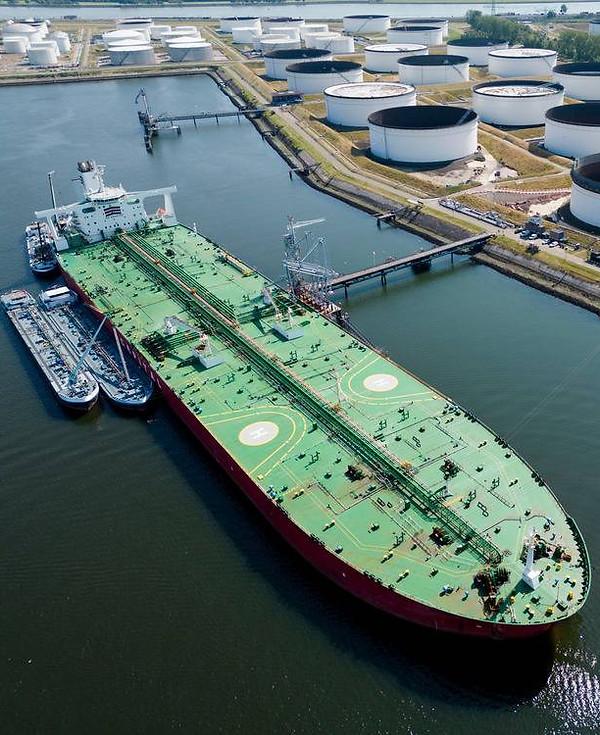
Sea freight remains an important part of international logistics.
Container ships connect Vietnam with major markets in Asia, Europe, North America and other regions.
However, shipping schedules can change because of:
- Port congestion
- Weather conditions
- Route changes
- Vessel schedules
- Changes in cargo demand
Therefore, businesses should check shipping schedules before planning important shipments.
For smaller or urgent shipments, businesses may also consider air freight or international express delivery.
For more information about international shipping services, readers can also explore a previous article about international express delivery on Vinalines:
International Express Delivery – Vinalines
Digital Technology Is Changing Logistics
Technology is becoming an important part of modern logistics.
Many companies now use digital tools to manage shipments and warehouses.
Some common solutions include:
GPS Tracking
GPS helps businesses monitor vehicles and shipment locations.
Warehouse Management Systems
WMS helps companies manage inventory, storage and warehouse operations.
Transportation Management Systems
TMS supports route planning, transportation management and delivery tracking.
Digital Dashboards
Digital dashboards allow businesses to monitor shipments and identify delays more quickly.
These technologies can improve visibility across the supply chain.
They also help companies make faster decisions when problems occur.
Ports Are Becoming Important Logistics Hubs
A modern seaport is more than a place where ships load and unload cargo.
Ports are becoming important parts of the wider logistics network.
A port needs good connections with:
- Roads
- Railways
- Warehouses
- Shipping lines
- Industrial areas
- Distribution centers
Good connections can help containers move faster from factories to ports and from ports to final destinations.
This is particularly important for export businesses.
What Happens After a Container Leaves the Port?
A container does not simply disappear after leaving the port.
It continues through several stages before reaching the final customer.
Depending on the shipment, the container may be transported to an inland terminal, warehouse or distribution center.
At the destination, the container can go through customs clearance before the cargo is delivered to the importer.
Understanding this process helps businesses plan their shipments more effectively.
For a detailed explanation of the container journey, read:
Where Does a Container Go After Leaving the Port? – Vietship
